Late at night in Hangzhou, in a high-end wine cellar, Mr. Shi is repeatedly tapping numbers on his mobile calculator – "The same French Bordeaux, why can the agency price difference be as high as 30%?" This is not only his confusion, but also the common question of many people who are new to the red wine agency industry. Today, we will uncover the thick fog of imported red wine agency prices in Hangzhou.
I. The Three "Water Levels" of Agency Prices
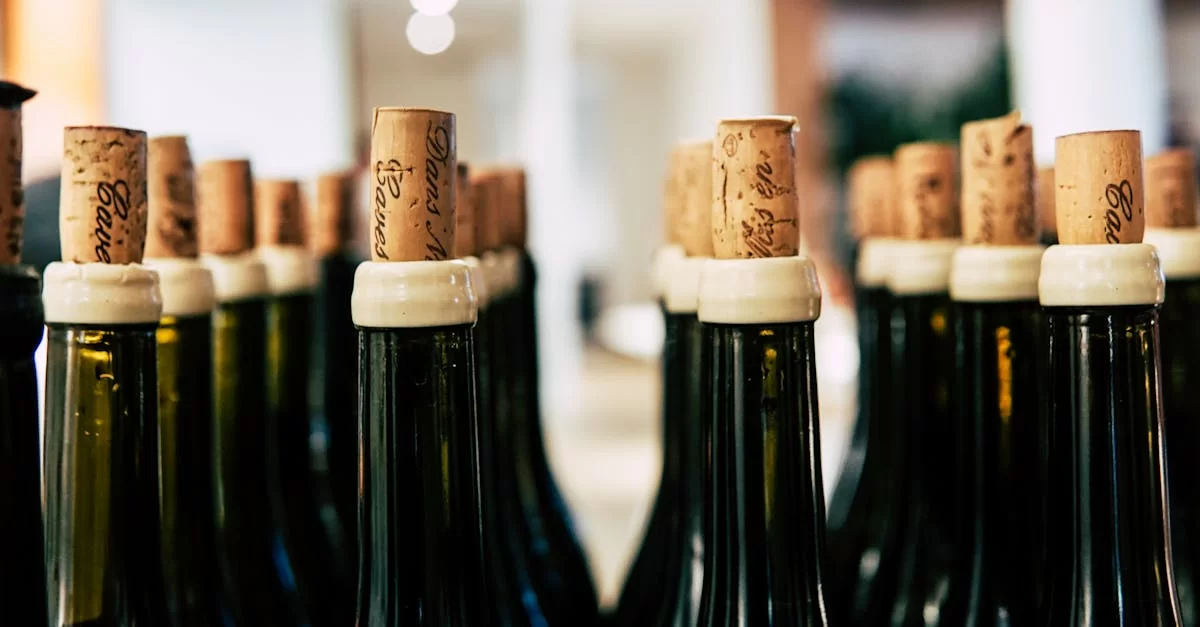
The price difference of imported red wine agencies in the Hangzhou market is mainly affected by three factors:
- Origin Water Level: The agency price of French AOC grade red wine is usually 80-150 yuan/bottle, while Chilean wine of the same quality may only cost 50-80 yuan. The price difference comes from tariff policies (such as Chile enjoying zero tariffs) and cultivation costs.
- Channel Water Level: Agencies that sign directly with wineries are on average 18.7% cheaper than those that go through three levels of distributors, but they need to meet the minimum order quantity (e.g., 2000 cases/year required by a Zhongmaoda customer).
- Brand Water Level: The agency price of a second wine of Lafite may be 3 times that of ordinary Bordeaux, but the inventory turnover speed is 22 days faster.
II. "Hidden Costs" That Are Easily Overlooked
When Mr. Shi acted as an agent for an Italian red wine last year, she found that the final cost was 27% higher than the quotation. The problems were:
- Constant temperature sea freight costs (Hangzhou dock temperatures in summer often reach 40℃)
- Compliance modification of Chinese back labels (rework rate due to annual policy adjustments is about 15%)
- Demurrage fees at bonded warehouses (average detention costs increase by 200 yuan/day during peak season)
Professional agents use the "all-inclusive landed cost" calculation method, which includes the comprehensive costs of EXW price + sea freight + insurance + customs duties + value-added tax + customs clearance fees + domestic logistics.
III. Practical Strategies to Crack the Price Mystery
A new emerging agency in Hangzhou has reduced its procurement costs by 34% through the following methods:
- Mixed container procurement (combining trial-sale models from 6 producing regions to save the empty cost of 40-foot containers)
- Futures locking (ordering future wines 18 months in advance to profit from fluctuations in the Euro exchange rate)
- Reverse product selection (deducing the procurement list based on data from Hangzhou local catering channels)
It is worth noting that low price ≠ high profit. Although the agency price of a Spanish Rioja DOCa wine is 25% higher, its premium capability in the Hangzhou high-end wedding banquet market can reach 80%.
IV. Early Warning of Price Changes in the Next Three Years
According to the latest data from Hangzhou Customs, three trends are forming:
- The agency premium for organically certified red wine continues to strengthen (a year-on-year increase of 41% in 2023)
- The price difference for 500ml small bottles is narrowing (more suitable for Hangzhou's single consumption scenario)
- There is a "dual-track system" for prices of special supply models in live broadcasts (online agency prices are generally 15-20% lower than offline prices)
What is the Value of Your Next Glass of Wine?
When we raise our glasses by the West Lake, what we drink is not only the fragrance of grapes, but also a set of intricate commercial logic. Welcome to share in the comment section: What is the most unexpected agency price trap you have encountered? Perhaps these experiences can help you avoid a decision error worth millions of dollars when choosing wine next time.

Recent Comments (0) 0
Leave a Reply