Have you ever wondered what kind of price journey a bottle of wine exported from Hangzhou undergoes? From the vineyard to the consumer's glass, how exactly are the intermediate costs allocated? Today, we will delve into the price list for wine agents exporting from Hangzhou, revealing the mysteries of this industry for you.
Why Has Hangzhou Become an Important Hub for Wine Exports?
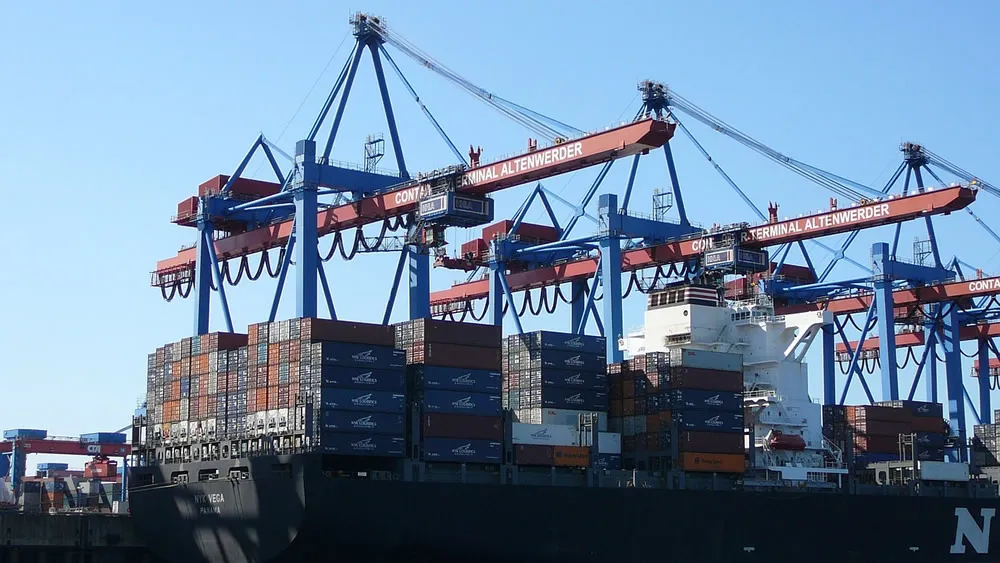
As one of the core cities in the Yangtze River Delta economic circle, Hangzhou has gradually become an important hub for wine exports, thanks to its superior geographical location and well-developed logistics system. Many internationally renowned wineries choose to establish agencies here, selling high-quality wines to various parts of the world.
Key factors:
- Convenient sea, land, and air transportation network
- Mature import and export trade service system
- Professional wine storage and constant temperature logistics facilities
Analysis of Wine Agent Price Components
A complete price list for a Hangzhou export wine agent typically includes several key parts:
- Basic procurement cost: Includes ex-winery price and transportation costs to Hangzhou
- Tariffs and VAT: Varies depending on the origin and type of wine
- Warehousing and logistics fees: Constant temperature storage, packaging, and shipping costs
- Agent service fee: Typically 10-20% of the procurement price
- Marketing expenses: Optional, depending on the agent level
Price Differences Among Agents of Different Levels
Taking Zhongmaoda as an example, its agency system is usually divided into three levels:
- Provincial agent: Annual procurement of 10 million RMB or more, enjoying the lowest discount
- City-level agent: Annual procurement of 3-10 million RMB, with a moderate discount
- Distributor: Annual procurement of 1-3 million RMB, with a standard discount
Mr. Yan, a new wine merchant, found after comparison: "Choosing an agent level that suits your business scale is crucial. Excessive procurement requirements can lead to financial pressure, while a lower level may not secure competitive prices."
Other Factors Affecting the Final Selling Price
In addition to the basic price components mentioned above, several other factors significantly influence the final agent price of wine:
- Vintage and yield: Prices for special vintages or limited edition wines fluctuate considerably
- Brand awareness: Products from renowned wineries often have a 20-30% brand premium
- Packaging specifications: Special packaging (e.g., wooden boxes, gift boxes) can increase costs by 15-25%
- Payment method: Spot payment usually offers a 3-5% discount compared to credit payment
How to Assess the Reasonableness of Agent Prices?
Mr. Yan, an experienced wine agent, shared her insights: "When comparing quotes from different suppliers, you can't just look at the surface numbers. You need to inquire in detail about the included services, return and exchange policies, market support, and other intangible values."
She advises newcomers to focus on:
- The final landed price of the same product from different agents
- Whether there are minimum selling price restrictions
- Solutions for unsold products
- Whether professional tasting training and sales support are provided
Future Trends: How Digitalization is Changing the Agent Price Structure
With the popularization of blockchain technology and smart contracts, the wine agency industry is undergoing a digital transformation. This may lead to:
- A more transparent pricing system
- Dynamic pricing mechanisms
- Reduced intermediate costs
- More accurate market demand forecasting
While this transformation may compress the profit margins of traditional agents, it will also create new business opportunities.
How Should Your Wine Agency Business Start?
Now that you understand the pricing system for wine agents exporting from Hangzhou, do you have a clearer understanding of entering this industry? Whether you want to test the waters on a small scale or make a significant investment, understanding the logic behind pricing is the first step to success.
We recommend:
- Starting with a niche market you are familiar with
- Selecting 2-3 potential suppliers for detailed comparison
- Attending professional wine exhibitions to get the latest industry information
- Considering collaboration with experienced partners to reduce risks
Wine agency is not just a business; it's also about spreading a lifestyle. Are you ready to embark on this aromatic journey? Feel free to share your thoughts or questions about the wine agency industry in the comments section.

Recent Comments (0) 0
Leave a Reply