In the field of architecture, high-quality building materials are the cornerstone of constructing high-quality buildings. With increasingly close global trade, importing building materials through agents has gradually become a popular choice for many construction projects. So, what exactly are the charms and intricacies of importing building materials through agents? Let's delve into it together.
Advantages of Importing Building Materials Through Agents
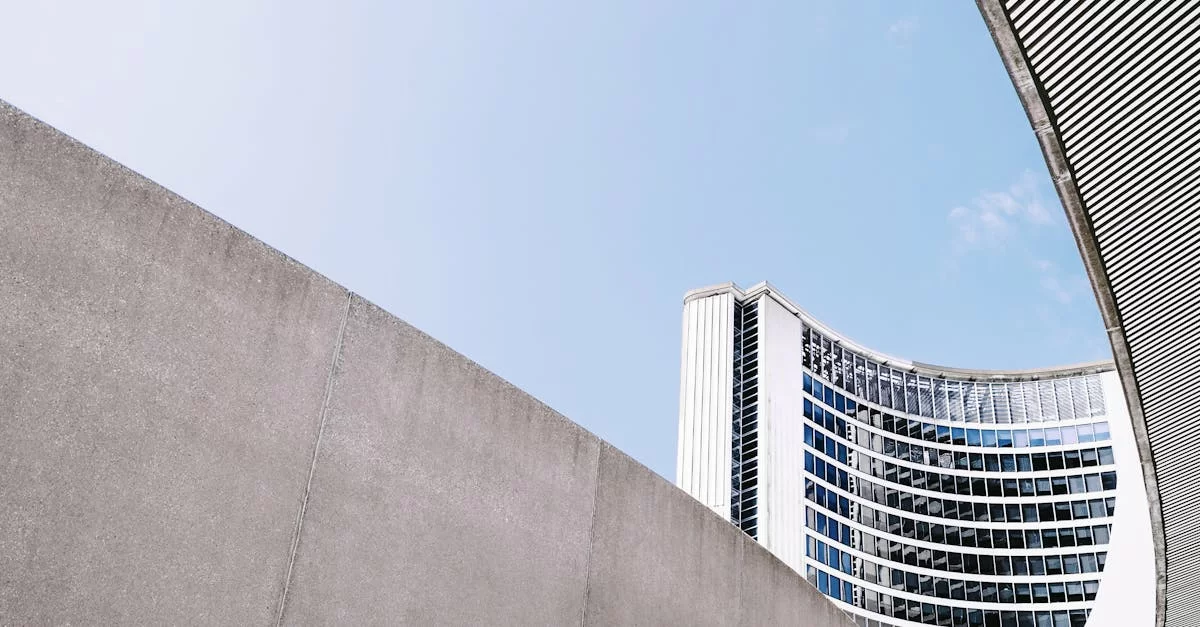
Firstly, superior quality is a prominent label for imported building materials. Take ceramic tiles produced in some European countries as an example. Their production processes are extremely sophisticated, and the selection and control of raw materials are strict, making the tiles' wear resistance and color stability far superior to some ordinary domestic products. Another example is German hardware fittings, which have reached industry-leading levels in terms of strength, precision, and rust prevention. By importing these building materials through agents, construction projects can directly access international top-tier quality, improving overall construction quality and creating more durable and aesthetically pleasing architectural works.
Secondly, a wide variety of products is also a major highlight of importing building materials through agents. Different countries and regions have their own characteristics and specialties in building material production. For instance, Italy is unique in the design and manufacturing of high-end bathroom products. Their products not only possess excellent functionality but also incorporate unique artistic design concepts, adding a distinctive charm to architectural spaces. Furthermore, Japan's environmental building material technology is advanced, offering everything from insulation and soundproofing materials to new eco-friendly coatings, meeting the market's current demand for green buildings. Importing building materials through agents is like opening a door to a global treasure trove of building materials, providing designers and builders with more diverse choices to realize unique architectural design concepts.
A Complete Analysis of the Process for Importing Building Materials Through Agents
For importing building materials through agents, the smoothness of the process is crucial. First is the market research and supplier selection phase. Mr. Gong, who has been in the construction industry for many years, spent a lot of time researching the global wood flooring market, understanding the product characteristics, price ranges, and reputation of different origins and brands when deciding to import a certain type of high-end wood flooring through an agent. Through industry exhibitions, online platforms, and other channels, Mr. Gong screened several reputable suppliers and contacted them to further discuss product details, supply capacity, and cooperation terms.
Next is the contract signing and logistics transportation stage. After both parties reach an agreement on all terms, a detailed import contract is signed, specifying key information such as product specifications, quantity, price, and delivery time. Mr. Gong, when importing stone through an agent, paid special attention to the clauses regarding product quality inspection standards in the contract to avoid potential disputes later on. After the contract is signed, logistics transportation is arranged. This involves considering the choice of transportation method: sea freight is low cost but time-consuming, while air freight is fast but expensive, and the decision needs to be weighed based on the actual situation. At the same time, a series of complex procedures such as customs declaration and inspection must be handled to ensure the smooth clearance of goods.
Challenges and Countermeasures in Importing Building Materials Through Agents
Of course, importing building materials through agents is not always smooth sailing. Among these, exchange rate fluctuations are a major challenge. Since building material import transactions often involve large sums of money, even small changes in exchange rates can have a significant impact on costs. For example, when the exchange rate of RMB against a certain currency fluctuates greatly, the import cost may increase significantly. To address this, import agents can use financial tools such as forward foreign exchange contracts to lock in exchange rates and reduce exchange rate risks.
In addition, differences in building material standards in different countries are also difficulties that need to be overcome. Some countries have unique regulations on environmental standards and fire ratings for building materials, which are different from domestic standards. To ensure that imported building materials meet domestic market requirements, agents need to understand and be familiar with these standard differences in advance, strictly control product quality during the procurement stage, and avoid situations where goods are detained or unsalable due to non-compliance with standards.
In summary, although importing building materials through agents faces many challenges, as long as the intricacies are mastered and their advantages are fully utilized, one can seize the initiative in the construction market, inject new vitality into the construction industry, and bring more high-quality architectural works. If you are interested in importing building materials through agents, you may as well conduct in-depth research and embark on this field with great potential.

Recent Comments (0) 0
Leave a Reply