In the wave of global economic integration, the international competitiveness of enterprises is particularly important. The export tax rebate policy, like a "booster" for business growth, plays a crucial role in enterprises' journey to expand into overseas markets. Today, let us delve into this important economic policy of export tax rebates.
What is an Export Tax Rebate
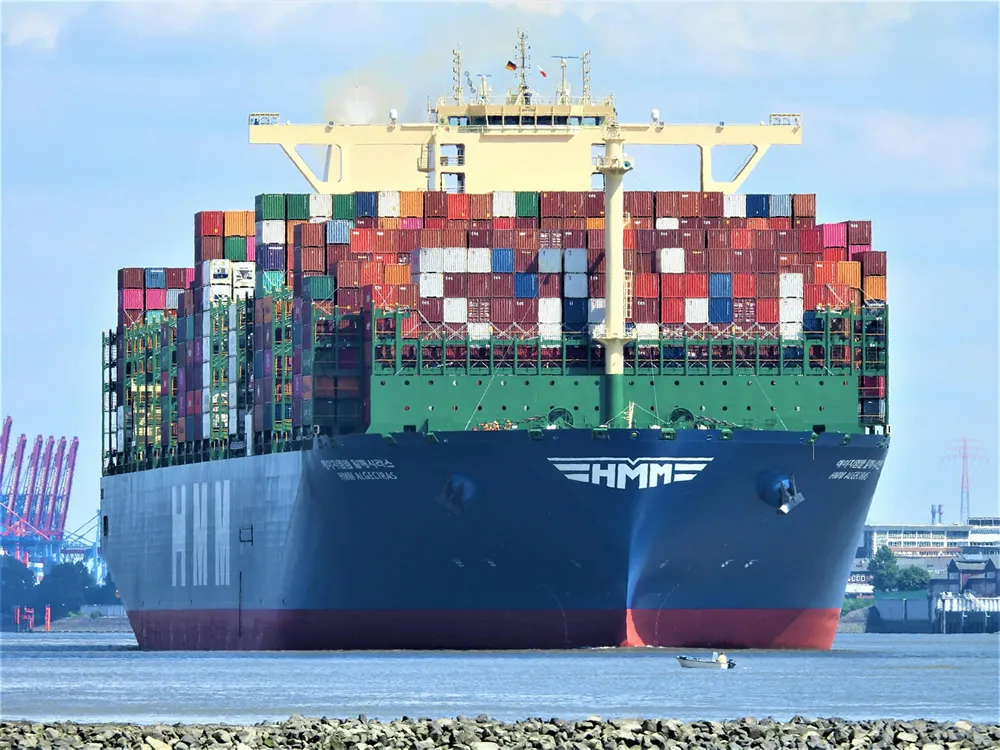
Export tax rebate, simply put, is a tax system implemented by the state to enhance the competitiveness of its domestic goods in the international market. For export goods that have been declared to customs and left the country, tax authorities refund indirect taxes, such as domestic value-added tax or consumption tax, already paid during the production and circulation stages before export, back to the exporting enterprise. For example, a garment manufacturing company that paid taxes and fees during the production process for stages like raw material procurement and processing, when this batch of garments is exported, under eligible conditions, it can apply for a refund of these already paid taxes and fees.
Important Role of Export Tax Rebates
For enterprises, export tax rebates can first alleviate financial pressure. Cash flow is crucial for enterprises during their production and operation processes. Export tax rebates allow previously paid taxes to flow back to the enterprise, increasing its cash flow. Taking Mr. Gu electronic equipment export company as an example, each export tax rebate received enables him to promptly purchase new production equipment and expand production scale. Secondly, it enhances product price competitiveness. After the rebate, product costs decrease, allowing them to compete at more advantageous prices in the international market, thereby increasing market share.
From a macro perspective, export tax rebates are conducive to promoting balanced international trade. By reducing the export cost of domestic products, they encourage enterprises to export, increase foreign exchange reserves, and promote the integration of the domestic economy with the global economy. At the same time, it can also drive the development of related industries. Large volumes of product exports stimulate the coordinated development of upstream and downstream industries, create more employment opportunities, and promote the prosperity of the entire industrial chain.
Export Tax Rebate Application Process
- Enterprises must first undergo qualification certification. After obtaining foreign trade operating rights, they need to complete export tax rebate qualification certification procedures with the competent tax authority within the stipulated time, which is the first step in starting the export tax rebate journey.
- After goods are exported, relevant documents must be collected promptly, including export goods customs declaration forms, export invoices, special VAT invoices for purchased goods, etc. These documents are crucial evidence for applying for tax rebates.
- Next, enterprises need to submit tax rebate declarations through systems like the electronic tax service. They must input relevant data according to specified formats and requirements, and submit the tax rebate application.
- After receiving the application, the tax authority will conduct a strict review. Once the review is approved, the enterprise will successfully receive the tax rebate.
Important Considerations for Export Tax Rebates
When applying for export tax rebates, enterprises must pay attention to the declaration deadline. Different types of export businesses have different declaration deadline requirements; once overdue, there may be a risk of being unable to receive the rebate. At the same time, ensure that the declared data is true and accurate. Providing false data to defraud export tax rebates is a serious illegal act, not only will the enterprise bear legal responsibility, but it will also harm the entire export tax rebate environment. Furthermore, paying attention to policy changes is also crucial. Export tax rebate policies are adjusted according to national economic conditions, industrial policies, etc., and enterprises can only better enjoy policy benefits by keeping abreast of policy dynamics.
The export tax rebate policy builds a bridge for enterprises to enter the international market. Enterprises should fully understand and reasonably utilize this policy to steadily advance on the path of expanding overseas business. At the same time, with the continuous changes in the international trade environment, we also expect the export tax rebate policy to continue to be optimized, providing stronger support for business development. Let us jointly pay attention to the development of the export tax rebate policy, helping enterprises shine on the international stage.

Recent Comments (0) 0
Leave a Reply