As global steel giants increasingly focus on the emerging infrastructure markets in Southeast Asia, a southern Chinese port city is quietly becoming a hub for metallurgical raw material exports. Qinzhou, a coastal city with a natural deep-water harbor, is rewriting the landscape of metallurgical raw material exports with its unique geographical advantages and continuously improving foreign trade service system.
Why Choose Qinzhou as Your Export Starting Point?
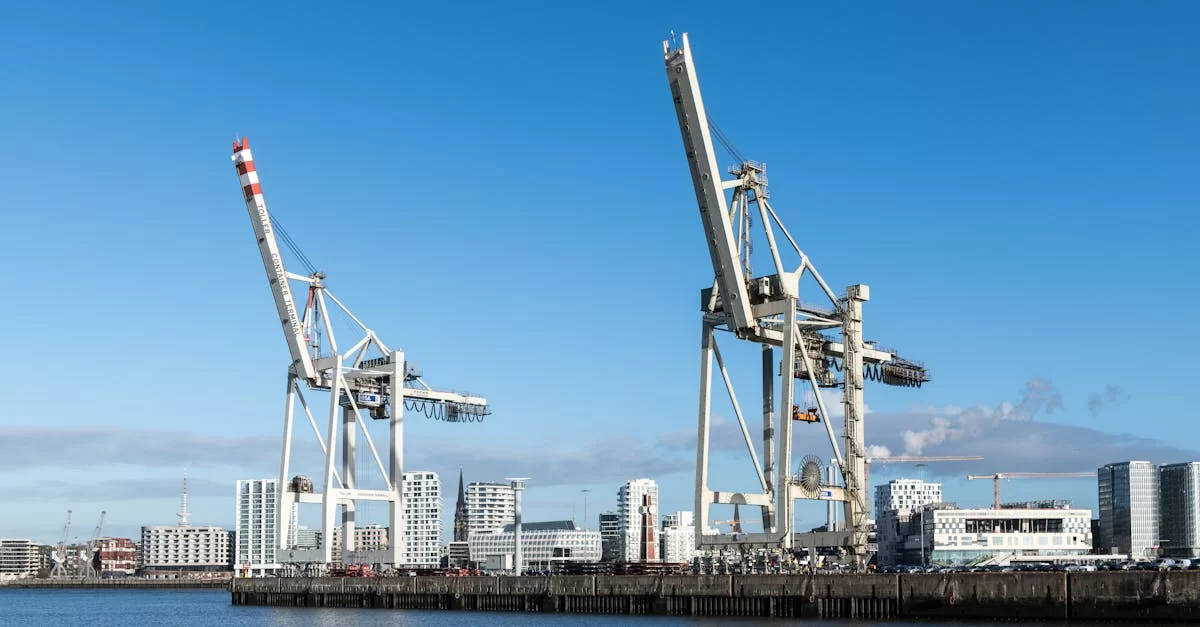
As the gateway to the China-ASEAN Free Trade Area, Qinzhou Port has opened 18 international shipping routes to countries such as Vietnam and Malaysia. In 2023, Qinzhou Port's throughput of metallurgical raw materials increased by 23% year-on-year, with specialty metal raw materials like manganese ore and chromite accounting for over 60%. Mr. Tang, a freight forwarder with ten years of experience, revealed: "The 'advance declaration + direct loading upon arrival' mode implemented by Qinzhou Customs can reduce customs clearance time to within 8 hours."
- Logistics Cost Advantage: Compared to other ports, freight from Qinzhou to Hai Phong, Vietnam, is 15-20% lower.
- Policy Support: Enjoy tax incentives under the New International Land-Sea Trade Corridor.
- Industrial Clusters: Within a 200-kilometer radius, 37 metallurgical processing enterprises are concentrated.
Core Service Modules for Export Agency
Professional agencies like Zhongmaoda provide services that go beyond customs declaration and clearance. Mr. Tang team recently completed the export of a batch of 5,000 tons of ferrosilicon manganese, and she summarized the three key elements for successful cases:
- International standard certification for raw material composition (ISO/EN)
- Multilingual MSDS (Material Safety Data Sheet) preparation
- Pre-audit service for destination country customs clearance
It is worth noting that Indonesia will implement new import standards for metallurgical raw materials starting in 2024, and agencies need to assist clients in completing SNI certification updates three months in advance.
Risks and Opportunities in Emerging Markets

Despite the strong demand in Southeast Asian markets, trade barriers vary significantly across different countries. The Philippines imposes a 15% safeguard tariff on iron ore with an iron content of over 60%, while Myanmar requires all imported metallurgical raw materials to undergo MOST testing. Zhongmaoda's market monitoring shows:
- The demand for rare earth metals driven by Vietnam's electric vehicle industry is growing by 40% annually.
- Thai steel companies have begun to accept boron-containing alloy steel that meets Chinese standards.
- Malaysia is gradually easing import restrictions on recycled steel raw materials.
Your Next Step Action Guide
By the time you finish reading this article, prices in the global metallurgical raw material market may have fluctuated 2-3 times. It is recommended to immediately:
1. Scan the QR code to get the latest ASEAN tariff handbook
2. Schedule a consultation with a professional advisor for a SWOT analysis
3. Attend the quarterly metallurgy export online seminar
This trillion-value track is waiting for true connoisseurs. Are you ready to seize the export dividends brought by Qinzhou Port?

Recent Comments (0) 0
Leave a Reply