In the complex landscape of international trade, re-export trade resembles a mysterious and captivating labyrinth. The United States, with its unique advantages, has accumulated extensive experience in the field of re-export trade, drawing the attention of global traders. Today, let us together unveil the facade of the U.S.'s rich experience in re-export trade.
Superior Geographical Location and Infrastructure
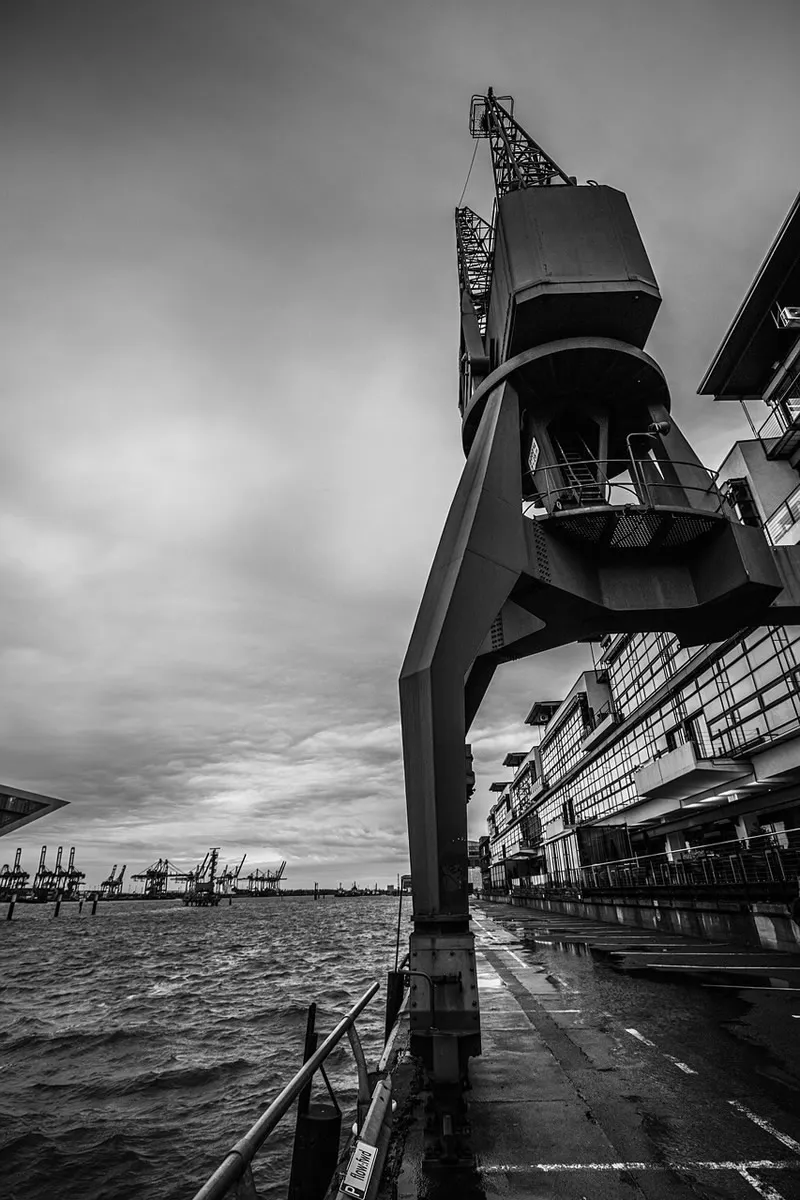
Located in North America, bordering the Atlantic Ocean to the east and the Pacific Ocean to the west, the United States' advantageous geographical position makes it a crucial trade hub connecting Europe, Asia, and South America. Numerous natural deep-water ports, such as the Port of Los Angeles and the Port of New York, handle massive volumes of cargo annually. These ports are not only equipped with advanced loading and unloading equipment but also boast efficient logistics and distribution systems. Taking the Port of Los Angeles as an example, its automated container handling facilities can rapidly load and unload cargo, significantly improving cargo turnover efficiency.
Concurrently, the developed highway and railway networks within the United States provide robust support for the inland transportation of goods. After goods are offloaded at the ports, they can be quickly transported to all parts of the country via the convenient transportation network, and even transshipped to neighboring countries.
Mature Financial and Legal Systems
The United States possesses one of the most mature financial systems globally. In re-export trade, financial services are of paramount importance. Numerous internationally renowned banks have branches in the United States, capable of providing diversified financial support to traders, such as letter of credit issuance and trade financing. Mr. Zou, a businesswoman engaged in Sino-U.S. re-export trade, stated, "U.S. banks are standardized and efficient in handling international trade finance, which greatly facilitates our capital flow."
Furthermore, the comprehensive legal system in the United States provides safeguards for re-export trade. From the signing of trade contracts to the transportation and delivery of goods, there are clear legal regulations. This enables traders to clearly understand their rights and obligations when conducting re-export trade, effectively reducing legal risks.
Abundant Trade Resources and Professional Talent
The United States possesses abundant trade resources, with many multinational corporations headquartered there, possessing extensive supply chain networks globally. These companies have accumulated rich market information and trade channels through long-term trade activities. Re-export traders can leverage these resources to better expand their businesses.
Moreover, the U.S. higher education and vocational education systems have cultivated a large number of international trade professionals. These professionals are familiar with international trade rules and possess multilingual communication skills, capable of providing professional consultation and operational services for re-export trade. Mr. Zou, a senior trade consultant, has helped many enterprises solve problems in re-export trade with his professional knowledge.
Actively Explore, Embark on a New Journey of Re-export Trade
The extensive experience of the United States in re-export trade offers valuable lessons for global traders. For enterprises and individuals aspiring to engage in re-export trade, a deep study of successful U.S. models, combined with their own practical situations, may lead to new development opportunities in the wave of international trade. Let us actively explore the infinite possibilities of re-export trade and write our own brilliant chapters in this field full of challenges and opportunities.

Recent Comments (0) 0
Leave a Reply