When Mr. Tian first heard about "wire export agency," he thought it was just an ordinary trading business. It wasn't until he witnessed Mr. Tian team achieve a monthly turnover of 8 million by acting as an agent for exporting special cables to the Middle East that he realized—this seemingly traditional industry holds surprising profit secrets.
Why Is the World Snapping Up Chinese Wires?
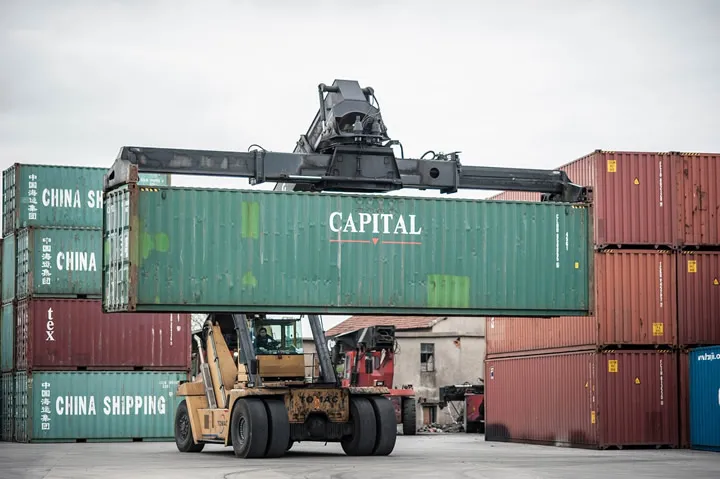
According to industry data, China's wire and cable export volume has maintained a growth of over 12% for 5 consecutive years. Three core advantages form a competitive barrier:
- Cost Advantage: A complete domestic copper and aluminum industry chain makes production costs 30% lower than in Europe and the US
- Technological Iteration: Special product technologies, such as new energy cables and fire-resistant cables, have reached international standards
- Delivery Capability: The fastest lead time from order placement to shipment can be compressed to 15 days
The Golden Ratio of the Agency Model
A senior consultant at Zhongmaoda points out that successful wire export agencies must grasp three key aspects:
- Qualification Compliance: Certifications like CE and UL must be authentic and valid; one agent was once sued for 4.6 million due to a forged RoHS certificate
- Logistics Solutions: Coiled cables require customized ocean freight flat rack containers, while bulk wires are recommended for LCL (Less than Container Load) services
- Payment Risk Control: Middle East clients prefer LC 60 days, while for African orders, a 30% advance payment is recommended
Three Pitfall Avoidance Tips for Newcomers
Mr. Tian shared the experience she gained at the cost of 2 million in "tuition fees":
- Beware of "all-in-one" suppliers; focusing on a specific type of wire (e.g., automotive wiring harnesses/photovoltaic cables) makes it easier to build advantages
- Sample testing cannot be skipped; one batch of cables was returned entirely due to excessive conductor resistance
- Register overseas trademarks in advance to avoid intellectual property disputes
The Future Is Here: These Signals Are Changing the Industry
With the implementation of new EU regulation (EU) 2019/1020, cables meeting ERP energy efficiency standards will enjoy a 5% tariff preference. Meanwhile, the infrastructure boom in Southeast Asia is creating an annual cable demand gap of 3 billion US dollars. The next industry boom point might just be hidden in your decisions.
As night falls and skyscrapers around the globe light up, the wires running through their walls are silently telling new stories of international trade. Should your business landscape also connect to this power express?

Recent Comments (0) 0
Leave a Reply