“Mr. Wen recently ordered a set of precision instruments from Germany. Upon arrival at the port, it got stuck in the customs declaration process, and the documents were returned for revision three times…” Does this scenario sound familiar? Importing equipment customs declaration is like a game that requires precise strategy. The rules are clear, but the details are numerous. Today, we will break down the secrets to clearing this "game."
I. Core Process of Importing Equipment Customs Declaration
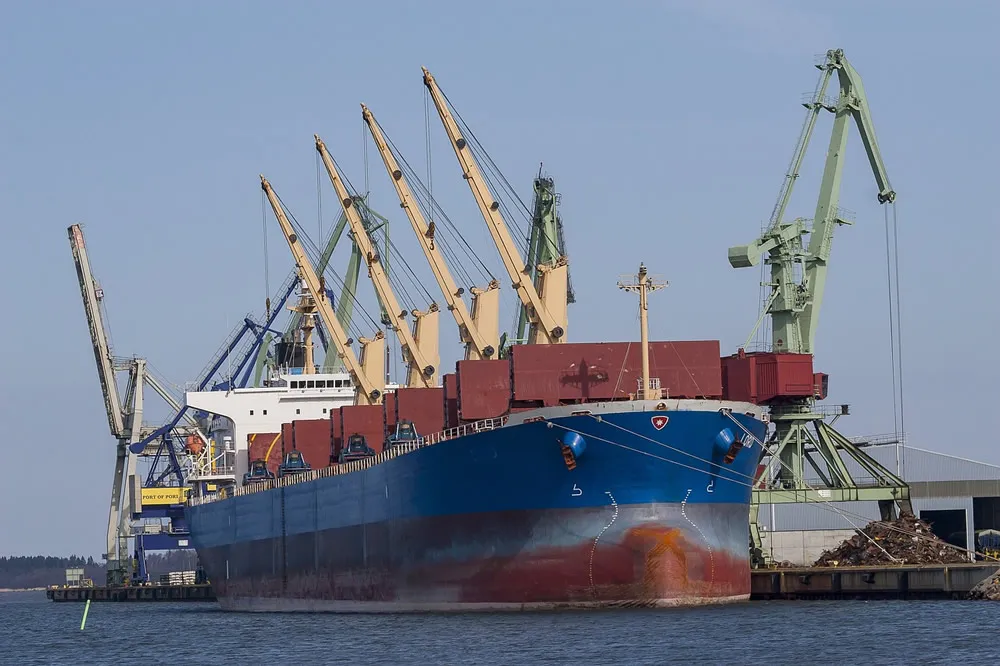
The complete customs declaration process can be divided into three stages:
- Pre-preparation: Confirm the equipment's HS code, import license, certificate of origin, etc.
- Mid-declaration: Submit customs declaration form, commercial invoice, packing list, and other documents.
- Post-clearance: Cooperate with inspection, pay taxes and fees, pick up goods, and release.
Taking the case of a laser cutting machine imported by Zhongmaidda as an example, the advance preparation of a complete import license for mechanical and electrical products shortened the overall customs clearance time by 40%.
II. Top Three Pitfalls to Avoid
1. Incorrect Classification: Different configurations of the same equipment may correspond to different HS codes. One company had to pay an additional tax of 120,000 yuan due to misclassifying "numerical control systems."
2. Incomplete Documents: Mr. Wen semiconductor equipment was detained at the port and incurred an additional storage fee of 58,000 yuan due to the lack of CCC certification.
3. Valuation Disputes: Failure to declare special trade terms (such as technical royalties) may trigger customs valuation. In one case, the valuation process lasted for 3 months.
III. Four Advanced Tips for Professional Customs Clearance
- Utilize the "Advance Declaration" mode: Declaration can be initiated 3 days before arrival.
- Pay attention to Free Trade Agreements: German equipment can enjoy a 6.5% tariff reduction with the Sino-European Certificate of Origin.
- Choose AEO Certified Enterprises: The inspection rate for advanced certified enterprises can be reduced to 0.9%.
- Apply for Advance Ruling: For complex goods, you can apply to customs for a classification advance ruling in advance.
IV. Strategies for Special Circumstances
For used equipment, special attention should be paid to:
- Equipment imported from Japan over 10 years old may be prohibited from entry.
- Used equipment from the EU requires a CE Declaration of Conformity.
- US equipment requires verification of EAR export control classification.
Temporary imports (such as exhibition items) require an ATA Carnet, which can exempt the deposit.
Customs Clearance is Not the End, but the Beginning
After your equipment is successfully cleared by customs, don't forget the subsequent duty exemption supervision (usually 3-5 years). Importing equipment customs declaration is like playing chess; you need to look three steps ahead to avoid being passive. What problems have you encountered recently when importing equipment? Welcome to share your "customs clearance stories" in the comments section.

Recent Comments (0) 0
Leave a Reply