When you pick up a product labeled "Made in China" in a European supermarket, you might not realize it once passed through Hong Kong – the "invisible transit station" for global re-export trade. Hong Kong's port handles over 20 million TEUs annually, with re-export trade accounting for a staggering 98%. Today, let's unveil this trade legend that "connects the world without producing anything."
Why Did Hong Kong Become a Golden Node for Re-export Trade?
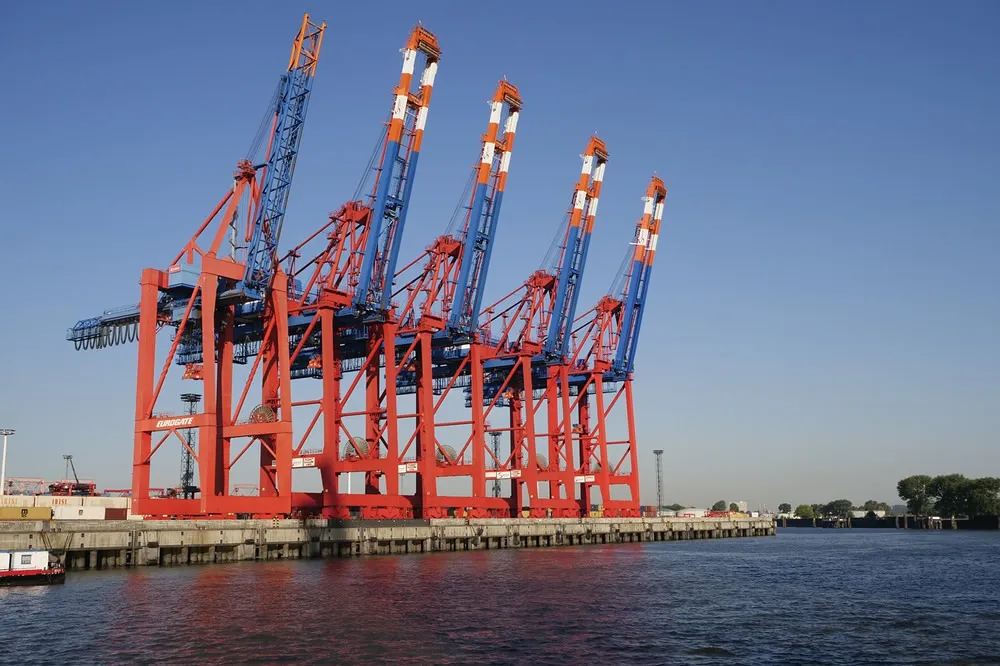
The perfect combination of geographical advantages and institutional design has kept Hong Kong among the top three global re-export trade players for 60 consecutive years. Mr. Ye, who has been in the electronics component trading business for 20 years, described it as: "Shipments leave the Dongguan factory in the morning, are loaded onto ships at Hong Kong's dock in the afternoon, and can appear on a Singaporean customer's quotation the next day."
- Zero Tariff Policy: Duty-free for all goods except for four categories such as tobacco and alcohol.
- Free Port System: Goods can enter and exit without declaration, with no time limits on warehousing.
- Efficient Logistics: 50 of the world's top shipping companies have regional headquarters here.
Three Core Strategies of Re-export Trade
Mr. Ye textile company uses the typical "Hong Kong re-export + third country labeling" model:
- Simple Re-export: Only shipping documents are changed, and goods are not unpacked.
- Value-Added Re-export: Light processing such as repacking and labeling is performed.
- Offshore Delivery: Neither the buyer nor the seller are Hong Kong companies, and funds are settled through Hong Kong.
New Challenges in the Digital Age
With the application of blockchain technology in trade traceability, traditional re-export models are facing reconstruction. A batch of chips re-exported through Hong Kong now requires the simultaneous provision of:
- Origin digital certificates
- Logistics temperature records
- Carbon emission trajectory maps
This has prompted companies like Zhongmaoda to develop intelligent re-export systems, compressing the average customs clearance time from 8 hours to 47 minutes.
Future: The "Value Upgrade" of Re-export Trade
As pure logistical advantages gradually diminish, Hong Kong's re-export trade is transforming into a "trade service ecosystem." The next decade will test not only the speed of container ship berthing but also the ability to provide:
- Cross-border financing solutions
- Compliance risk warning systems
- Green trade certification services
Standing at the Victoria Harbour docks, watching the ever-burning container cranes, one can't help but wonder: in an era of burgeoning virtual trade, how can physical re-export hubs redefine their value? Share your observations in the comments section.

Recent Comments (0) 0
Leave a Reply