"Mr. Xia recently secured an overseas order, but it got stuck in customs clearance for two whole weeks, resulting in tens of thousands of yuan in shipping losses." Such stories are not uncommon in the export industry. Statistics show that over 60% of first-time export enterprises experience cargo delays due to unfamiliarity with the process. This article will break down the core stages of export agent customs clearance procedures to help you avoid those 'invisible pitfalls'.
I. Three Key Steps in Customs Clearance Procedures
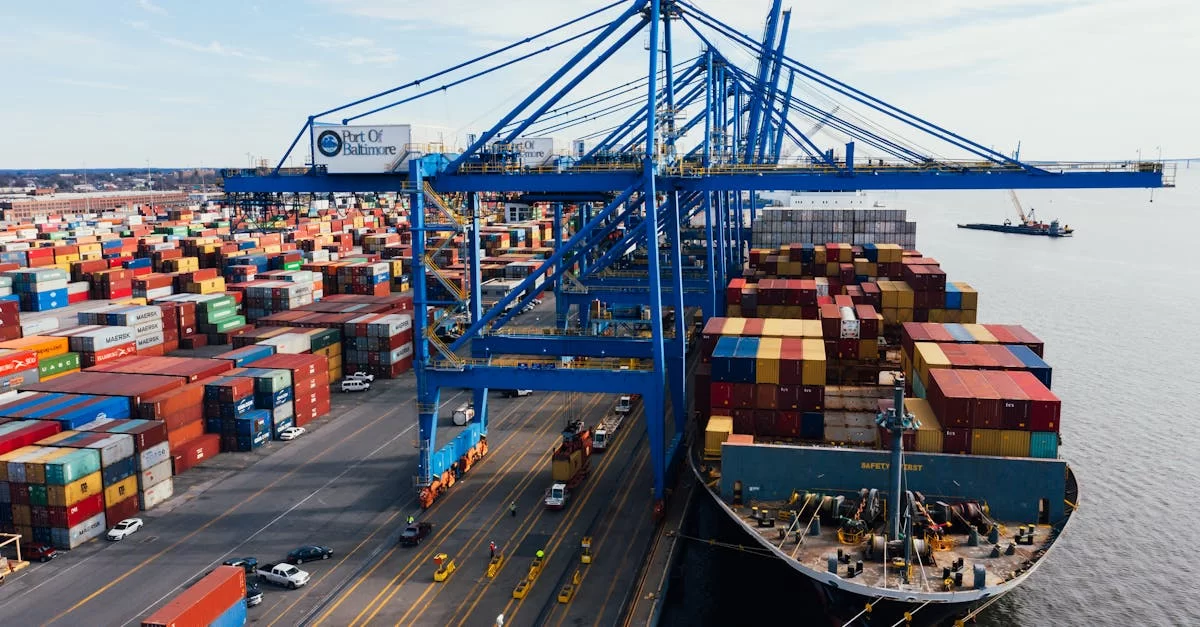
Export agent customs clearance is not a simple 'pay and pick up' process; it involves three meticulously linked stages:
- Pre-declaration Stage: Requires submitting packing lists, commercial invoices, contracts, and other documents 72 hours in advance. Professional agents like Zhongmaoda will verify the accuracy of HS codes to prevent subsequent inspections due to classification errors.
- On-site Operation Stage: Includes processes such as cargo tallying, sanitary inspection, and commodity inspection. For example, when Mr. Xia exports food products, she needs to provide additional quarantine certificates and ingredient specifications.
- Tax and Fee Settlement Stage: Policies such as VAT refunds and tariff reductions need to be activated at this stage. Agent organizations can automatically match the optimal solution.
II. Hidden Costs Ignored by 90% of Enterprises
Many enterprises only focus on visible costs, but these hidden costs are actually more fatal:
- Port Demurrage Fees: At Shanghai Port, the charge for exceeding the free container period is 200 yuan/container on the first day, increasing by 50% daily thereafter.
- Amendment Fees: Modifying product names after declaration requires an administrative fee of 200-500 yuan/per amendment.
- Technical Returns: EU REACH regulations require chemical products to provide test reports; without a report, the entire container will be returned.
The Zhongmaoda case study database shows that enterprises entrusting professional agents reduce unexpected expenses by an average of 31%.
III. 3 New Changes in the Era of Smart Customs Clearance
With the upgrade of the customs 'Single Window' system, customs clearance processes are undergoing fundamental changes:
- Electronic Seals replace paper-based filing, with Shenzhen Port already achieving 8-minute electronic release.
- Blockchain Traceability requires uploading all logistics data to the blockchain. A certain apparel exporter had goods detained due to missing production stage data.
- AI Pre-screening Systems can automatically identify declaration anomalies, with an accuracy rate of 92.7%.
Are You Ready to Upgrade Your Customs Clearance Strategy?
After Mr. Xia started using her agent's smart customs declaration system, the customs clearance time for her ceramic products was reduced from 5 days to 19 hours. In this era, professionalism determines customs clearance speed. Feel free to share your customs clearance experiences in the comments section, or send a private message to get the latest industry tax rate manual.

Recent Comments (0) 0
Leave a Reply