"Mr. Ling recently received an overseas order, but due to unfamiliarity with import and export agency regulations, his goods were detained by customs for a full two weeks..." Such stories are common in the foreign trade circle. Import and export agency, seemingly a simple "middleman," is actually full of hidden complexities. Today, we will lift this veil of mystery and guide you through the core rules and pitfall avoidance strategies of foreign trade agencies.
I. The "ID Card" of Import and Export Agencies: Qualification Requirements
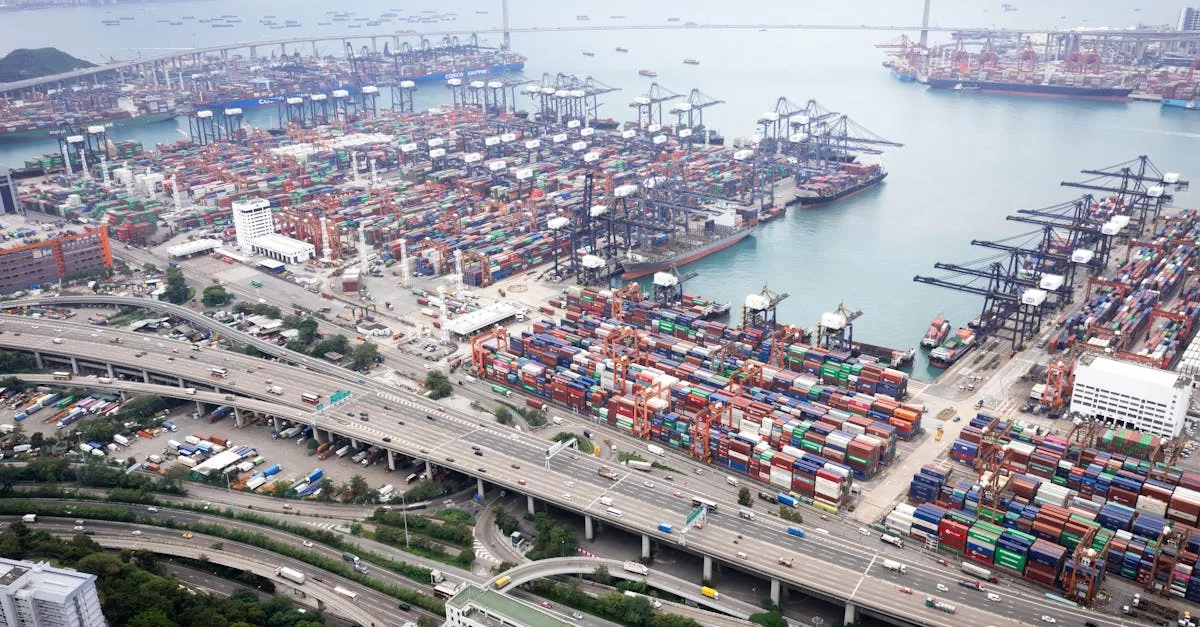
According to the Foreign Trade Law, engaging in import and export agency business requires:
- Customs Registration: Requires submission of corporate business license, legal representative identification, and other materials;
- State Administration of Foreign Exchange Registration: To ensure compliance of cross-border payments and receipts;
- Special Industry Licenses: For sectors like food, medical devices, etc., additional qualifications are necessary.
Mr. Ling once had a batch of protective suits worth 2 million yuan returned due to not obtaining the medical device operating license, resulting in heavy losses. Incomplete qualifications = business risk; this must be remembered.
II. The "Life and Death Clauses" of Agency Contracts
A complete agency contract must include:
- Division of Responsibilities: Clear delineation of who is responsible for customs declaration, logistics, and tax payments;
- Force Majeure Clause: How to handle unforeseen circumstances such as epidemics, wars, etc.;
- Intellectual Property Commitment: To avoid joint liability arising from infringement of agency goods.
A certain agent, due to the contract not explicitly stating the sharing of tax burdens, ended up fronting 17% VAT for the client, a profound lesson.
III. "Three Major Pitfalls" in Customs Clearance Practice
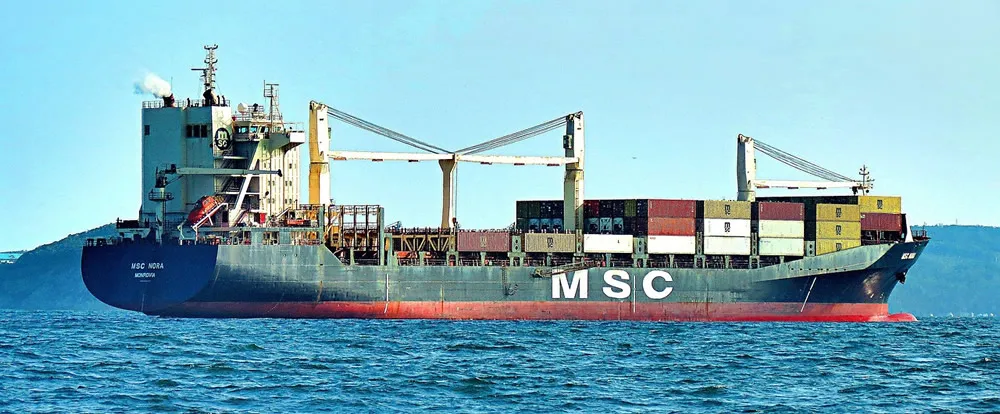
1. Incorrect Commodity Classification: Different HS codes for the same product can result in a 20% difference in tariffs;
2. Inconsistent Documents: Information on bills of lading, invoices, and contracts must match exactly;
3. Under-declaration of Prices: Customs inspection systems can trace transaction records for up to 3 years, and violations will result in high fines.
Zhongmaoda experts suggest: Advance pre-classification + dual-person review of documents can avoid 90% of customs clearance problems.
IV. New Trend: The Rise of Digital Agencies
With the promotion of the "Single Window" policy, electronic customs declaration coverage has reached 98%. Intelligent agency systems can achieve:
- Automatic matching of the optimal HS code;
- Real-time tracking of cargo customs clearance status;
- Risk warning alerts (e.g., anti-dumping goods).
In the future, agents who do not use digital tools are likely to be eliminated by the market.
Is Your Agency Compliant?
The foreign trade agency industry is undergoing a major shake-up. Will you continue to rely on "old experience" and take chances, or will you proactively learn new regulations and embrace technology? Consider checking:
- Have you updated your knowledge of customs regulations in the past year?
- Has your agency contract been reviewed by a professional lawyer?
- Do you have digital customs clearance tools?
Welcome to share your agency stories in the comment section, or send a private message to get the latest version of the Customs Code Manual. On the road of foreign trade, only compliance leads to long-term success.

Recent Comments (0) 0
Leave a Reply