In the ever-changing landscape of foreign trade exports, the tax rebate policy is like a mysterious treasure trove, holding opportunities for cost reduction and enhanced competitiveness, but also involving complex processes and regulations. Today, let us lift the veil of mystery surrounding export tax rebates in foreign trade and delve into how tax rebates are actually obtained.
Which Enterprises Can Apply for Tax Rebates
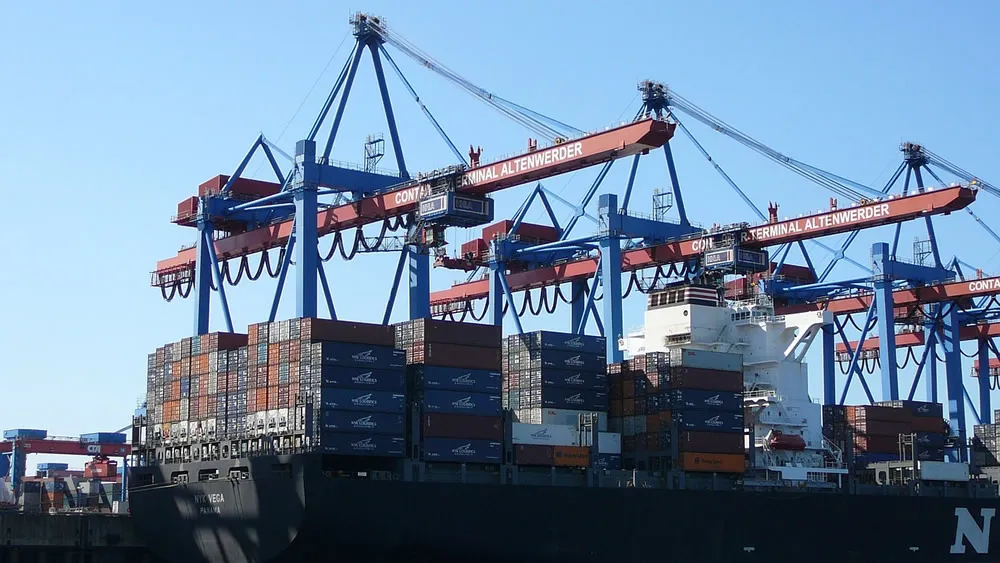
Firstly, not all enterprises are eligible to apply for export tax rebates. Generally speaking, foreign trade enterprises and manufacturing enterprises with import and export rights are the primary subjects for tax rebates. Foreign trade enterprises that purchase goods from domestic suppliers and then export them abroad can apply for tax rebates on the input tax related to the procurement. Manufacturing enterprises can apply for tax rebates on the taxes related to the production process after exporting their self-produced goods. In addition, some specific enterprises, such as manufacturing enterprises that entrust foreign trade enterprises to act as agents for exporting their self-produced goods, can also enjoy tax rebate policies if they meet the conditions.
What Are the Conditions for Export Tax Rebates
For goods to be successfully rebated, certain conditions must be met. First, the goods must fall within the scope of value-added tax and consumption tax collection. This is because tax rebates are essentially refunds of taxes already paid; if the goods themselves are not within the scope of these two taxes, then there is naturally no tax rebate. Second, the goods must be declared for customs departure and treated as export sales in accounting. Only when goods are truly exported and recorded as export sales in financial accounts can tax rebates be applied for. Third, foreign exchange must be received and verified. Receiving foreign exchange is an important indicator of the completion of export trade, and verification is a necessary procedure for foreign exchange control; both are prerequisites for tax rebates.
Detailed Tax Rebate Process
1. **Preparation for Tax Rebate Application**: Enterprises must collect and organize relevant documents, including customs declarations for exported goods, export invoices, and purchase invoices. Simultaneously, information on export transactions must be accurately entered into the tax rebate declaration system. 2. **Formal Declaration**: Once prepared, the tax rebate application is submitted to the competent tax authority through the tax rebate declaration system. The tax authority will review the submitted documents to check if they are complete and accurate.
3. **Review and Approval**: Tax authority reviewers will conduct a detailed examination of the application documents based on relevant policies and regulations. If any issues are found, the enterprise may be asked to provide additional documents or explanations. After the review is passed, it will proceed to the approval stage. 4. **Tax Refund**: Upon approval, the tax authority will refund the applicable tax amount to the enterprise according to the prescribed procedures. The enterprise will receive this tax rebate through its bank account, thereby effectively enjoying the benefits of export tax rebates.
Points to Note During the Tax Rebate Process
During the tax rebate process, enterprises need to pay close attention to several key points. On the one hand, strict adherence to time limits is required, such as applying for tax rebates within a certain period from the date of customs declaration for exported goods; exceeding the deadline may result in the inability to obtain a rebate. On the other hand, it is crucial to ensure the authenticity and accuracy of the declared information. Providing false information will not only affect the tax rebate process but may also lead to severe legal consequences.
Export tax rebates for foreign trade are a complex yet important task. They not only bring tangible benefits to enterprises but also require enterprises to be familiar with the rules and operate rigorously. It is hoped that foreign trade enterprises can make full use of the tax rebate policies to advance steadily in the international market. In the meantime, if you have any questions or experiences during the tax rebate process, feel free to share and discuss in the comment section.

Recent Comments (0) 0
Leave a Reply