On the vast stage of international trade, export tax rebates are a topic that receives a lot of attention. For many people engaged in foreign trade business, figuring out exactly how many percentage points can be refunded for export tax rebates is like holding a key to unlock the door to profit growth. Today, let's have a good chat about this matter, so that you can have a clear understanding of the percentage points of export tax rebates.
I. Basic Concepts of Export Tax Rebates
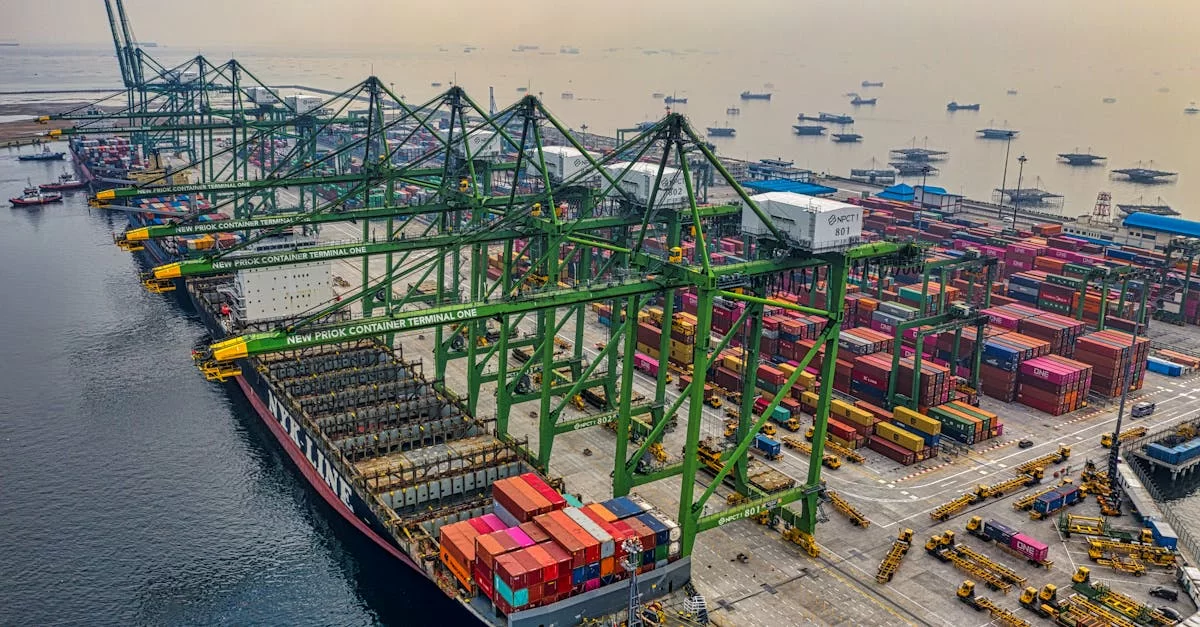
Export tax rebate, simply put, is a tax policy where the state, in order to encourage the export of domestic products, refunds the value-added tax, consumption tax, and other indirect taxes actually paid in the domestic production and circulation stages to export enterprises for exported goods that have been declared and have left the customs. The implementation of this policy helps to reduce the costs of export enterprises and enhance their competitiveness in the international market.
II. Factors Affecting Export Tax Rebate Percentages
Different Product Types Have Different Rebate Percentages
The percentage points of export tax rebates vary for different types of goods. For example, some high-value-added electronic products, precision machinery, etc., may have relatively high rebate percentages, because these types of products often involve large investments in research and development, and production. The state hopes to encourage enterprises to export and earn foreign exchange through higher rebates. For some resource-based primary products, the rebate percentages may be relatively lower.
Influence of Value-Added Tax Rate
The value-added tax rate is one of the important factors affecting export tax rebate percentages. Generally speaking, the rebate percentage for exported goods is closely related to the value-added tax rate applicable to the production stage of such goods in the domestic market. If the value-added tax rate for a certain product is higher, then under the condition of meeting export tax rebate requirements, the rebate percentage it can obtain will also be relatively considerable.
III. Common Range of Export Tax Rebate Percentages
- Currently, among many export commodities, the export tax rebate percentage for a considerable number of products is between 5% and 17%. For example, for some textile and apparel products, the rebate percentage may be around 5% to 13%, depending on the specific sub-categories of the products and whether they meet relevant quality, environmental, and other standards.
- For some high-tech products, such as software exports that meet specific conditions, the rebate percentage may reach 13% to 17%. This is also a policy support provided by the state to promote the international development of the high-tech industry.
IV. How to Accurately Know the Rebate Percentage for Your Products
For foreign trade enterprises, accurately knowing the rebate percentage for the products they export is not something that can be achieved by guessing. First, it is necessary to closely follow the latest export tax rebate policy documents released by relevant departments such as the State Taxation Administration, which will detail the rebate standards for different goods. Second, you can consult professional tax advisors or experienced foreign trade service agencies such as Zhongmaoda. They can, with their professional knowledge and rich experience, help enterprises quickly and accurately determine the rebate percentage for their products.
Conclusion: Take Action and Seize the Rebate Advantage
Understanding how many percentage points can be refunded for export tax rebates is crucial for foreign trade enterprises. It relates to the cost accounting, profit margins, and competitiveness of enterprises in the international market. Therefore, friends engaged in foreign trade business, don't underestimate this matter. Hurry up and take action, delve into the rebate situation of your own products, make full use of the advantages brought by the export tax rebate policy, let your enterprise ride the wind and waves in the tide of international trade, and reap more economic benefits. You are also welcome to share your experiences and insights in understanding and applying the export tax rebate policy in the comment section!

Recent Comments (0) 0
Leave a Reply