In today's beverage market, imported red wine is highly favored by consumers for its unique flavor and quality, and many people have also spotted the business opportunity in acting as an agent for imported red wine. So, how much does it actually cost to be an agent for imported red wine? This is the question that most concerns friends who want to enter this field. Today, let's have a good chat about it.
I. Initial Inventory Payment – A Critical Part of Startup Capital

To act as an agent for imported red wine, the first thing to consider is the initial inventory payment. The requirements for the initial inventory payment vary greatly depending on the brand and quality tier of the imported red wine.
- If you are acting as an agent for well-known brands with high recognition, originating from traditional wine regions like France and Italy, and focusing on the mid-to-high-end market, then the initial inventory payment might be relatively high. For example, you might need to prepare several hundred thousand or even millions of yuan. These brands typically already have a certain reputation and consumer base in the market, so the agency threshold will be relatively higher, requiring agents to have sufficient financial strength for stocking and promotion.
- However, if you choose to act as an agent for imported red wine brands from emerging regions or those that are relatively niche but distinctive, the initial inventory payment requirements might be much lower, perhaps starting with tens of thousands of yuan. Although these types of red wines may not have high recognition temporarily, they often possess unique selling points, making them a good choice for those who want to try entering the red wine agency industry with a smaller investment.
Therefore, the amount of the initial inventory payment depends on the red wine brand and positioning you choose, and you must make a careful decision based on your financial situation and market positioning.
II. Agency Fees – The Cost of Brand Authorization
Many imported red wine brands charge a certain agency fee when authorizing agents for sales. This fee also varies by brand.
- For some international major red wine brands, due to their high brand value and significant market influence, agency fees are often substantial. They might range from hundreds of thousands to millions of yuan, and may also fluctuate based on factors such as the size of the agency region and market potential.
- For some medium-sized or emerging imported red wine brands, agency fees might be relatively lower, typically around tens of thousands of yuan. Some may even offer certain preferential policies based on the agent's sales performance, such as returning a portion of the agency fee after reaching a certain sales volume.
Agency fees are a necessary expenditure to obtain legal authorization for a brand. When considering acting as an agent for a certain brand, this cost must be included in your cost accounting.
III. Warehousing and Logistics Costs – A Link Not to Be Overlooked
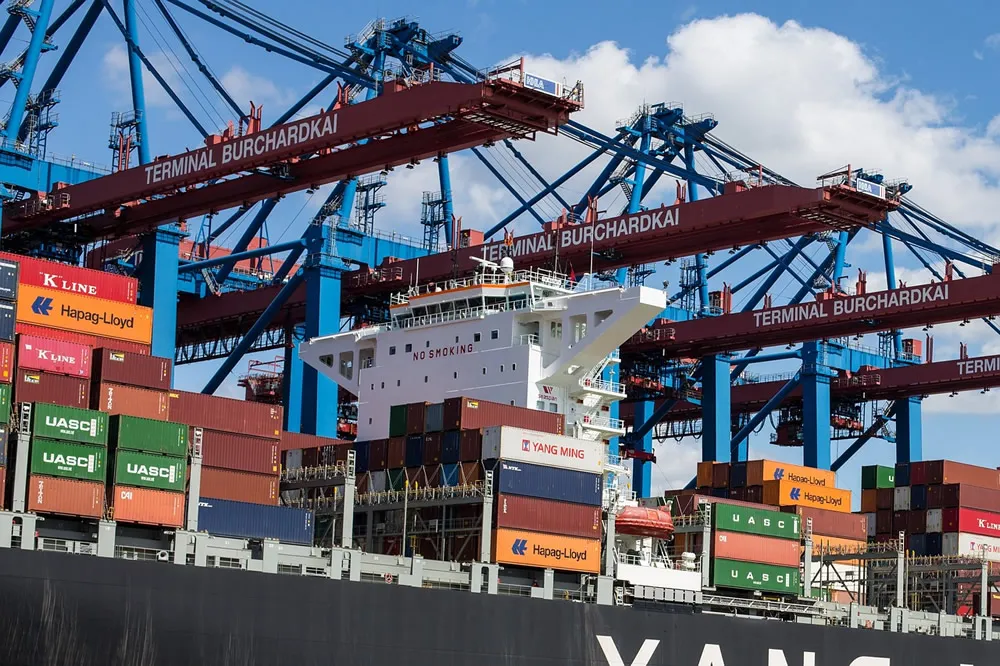
Imported red wine transported from abroad to China requires suitable warehousing space for storage, and logistics distribution to various sales points also needs to be arranged. This involves warehousing and logistics costs.
- Regarding warehousing, if you rent your own warehouse, the monthly rent could range from several thousand to tens of thousands of yuan, depending on factors such as warehouse area and geographical location. Additionally, you would need to equip it with corresponding warehousing facilities, such as shelves, constant temperature and humidity equipment, which represents another significant expense.
- Logistics and distribution costs depend on the transportation distance, mode of transport, and quantity of goods. Generally, logistics fees for each shipment, from the port to the warehouse and then from the warehouse to various sales terminals, could range from several hundred to over a thousand yuan. For long-distance, large-volume transportation, the costs will be even higher.
Although warehousing and logistics costs may seem fragmented, they accumulate over time and are an indispensable part of the overall cost of acting as an agent for imported red wine.
IV. Other Expenses – Numerous Miscellaneous Costs
In addition to the main expenses listed above, there are other miscellaneous costs involved in acting as an agent for imported red wine. For example, marketing and promotion expenses: to gain recognition for the red wine you represent in the market, you need to invest funds in advertising, organizing tasting events, and other activities. This portion of the cost can vary greatly, depending entirely on your promotional efforts and methods. Furthermore, there are personnel salaries, office space rental, and other fees; if you establish a company to operate the agency business, all these costs need to be taken into account.
The costs of acting as an agent for imported red wine are composed of multiple aspects, from the initial inventory payment and agency fees to warehousing and logistics costs, as well as other miscellaneous expenses, each requiring careful calculation. Different brands and operating models will result in significant variations in required capital. Therefore, if you aspire to engage in the imported red wine agency business, you must conduct thorough market research and make careful choices based on your financial strength and development plans. After all, only by rationally planning costs can you establish a firm foothold in this highly competitive red wine market and embark on your own path to success.
Are you ready to step into the world of imported red wine agency?
I believe everyone now has a clearer understanding of how much it costs to be an agent for imported red wine. So, what are your thoughts on this business opportunity? Are you already eager to jump in, or do you feel the risks are too high and prefer to wait and see? Feel free to leave comments and discuss in the comment section; let's explore the ins and outs of imported red wine agency together!

Recent Comments (0) 0
Leave a Reply