In the wave of economic globalization, import and export trading companies serve as a bridge, connecting domestic and international markets. Many entrepreneurs harbor dreams of venturing into international trade but are bewildered by the process of applying for an import and export trading company. Today, let's take you on an exploration to unveil the mystery of the import and export trading company application process.
Preliminary Preparation Work
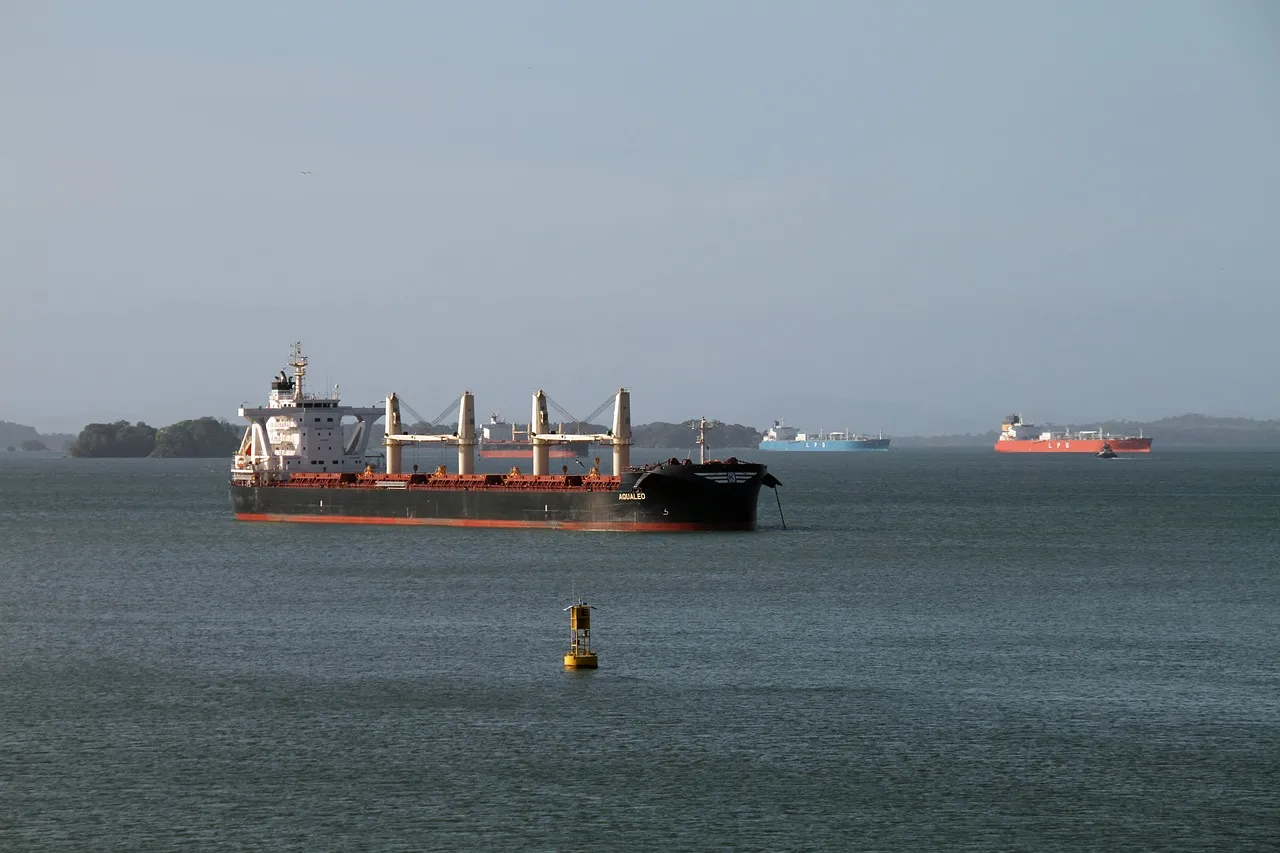
First, the company's business scope must be clearly defined. You need to precisely determine whether to focus on importing and exporting a specific category of products or to broadly cover various commodities. For instance, if Mr. Yao intends to establish an import and export trading company primarily dealing with electronics, this should be accurately reflected in the business scope. Secondly, choose a catchy and compliant name for the company. The name should not only be unique and memorable but also not be identical to already registered companies, while adhering to relevant laws and regulations. Lastly, prepare the registered address, which must be for commercial use and be supported by legitimate and valid property ownership certificates or lease agreements.
Business Registration
After completing the preliminary preparations, you will enter the business registration phase. Entrepreneurs need to visit the local Administration for Market Regulation (formerly Administration of Industry and Commerce), submitting a series of documents, including the company's articles of association, shareholders' identification, registered capital proof, etc. It's important to note that while there is no mandatory minimum registered capital, it should be reasonably determined in conjunction with your business plan. Upon approval of the submitted materials, you can collect the business license, marking the company's official legal establishment. For example, Mr. Yao application was delayed because some clauses in the company's articles of association were ambiguously worded, requiring her to revise and resubmit. Therefore, ensure all submitted materials are meticulously checked.
Seal Carving
After obtaining the business license, the next step is to have company seals carved. This generally includes the company seal, finance seal, legal representative seal, and contract seal, among others. These seals are crucial for the company's operations and serve as important credentials for the company to exercise its rights and sign contracts externally. You must choose a reputable seal carving agency registered with the public security department to ensure the legality and security of the seals.
Tax Registration and Tax Classification
Once the company is established, tax registration should be completed as soon as possible. Visit the local tax bureau, fill out the relevant forms, and submit documents such as the business license and the legal representative's identification. After tax registration, tax classification will be determined, establishing the types of taxes and tax rates the company is liable for. This step is critical for the company's future tax declarations and financial management, and it must be accurate.
Obtaining Import and Export Operating Rights
This is a unique and key step for import and export trading companies. First, apply for a foreign trade operator filing registration at the Department of Commerce to obtain the Foreign Trade Operator Filing Registration Form. Subsequently, proceed to departments such as Customs, Electronic Port, and the State Administration of Foreign Exchange to complete related procedures, including customs filing, application for the Electronic Port IC card, and foreign exchange account opening registration. Only after completing these steps can the company legally engage in import and export business.
Although the process of applying for an import and export trading company is complex, it can be completed smoothly by following the steps systematically and diligently. If you have any questions during the process, you can consult professional institutions or Zhongmaoda. We believe that you, who are aspiring to engage in import and export trade, can successfully build a bridge to the international market and embark on your own new chapter in trade.

Recent Comments (0) 0
Leave a Reply