Hey, friends in foreign trade companies! As you navigate the ocean of international business, do you have a sufficient understanding of the "treasure" that is export tax rebates? Today, let's delve into how foreign trade companies should handle export tax rebates, enabling you to easily master this important skill and contribute to your company's development.
I. Basic Concept of Export Tax Rebate
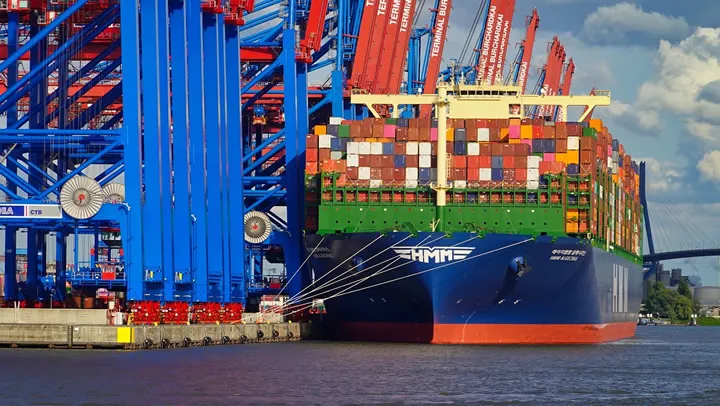
Export tax rebate, in simple terms, is a tax policy where the state encourages the export of domestic goods by refunding the indirect taxes such as value-added tax and consumption tax paid during domestic production and circulation to exporting enterprises for goods that have been declared to customs and have left the country. This is a tangible benefit for foreign trade companies, as it can effectively reduce enterprise costs and enhance the competitiveness of products in the international market.
II. Conditions for Export Tax Rebate
- Firstly, the goods must fall within the scope of value-added tax and consumption tax. If they are not within this scope, then export tax rebates cannot be enjoyed.
- Secondly, the goods must have been declared to customs and exported. If they are still circulating within the country, they naturally do not meet the requirements.
- Furthermore, export sales must be accounted for in the financial records, and corresponding accounting records must be kept.
- Finally, and crucially, foreign exchange must be received and reconciled. This ensures the authenticity and completeness of export transactions.
III. Process of Export Tax Rebate
Step 1: Register as a foreign trade operator. Foreign trade companies must first obtain legitimate business qualifications, which is the foundation for conducting export business.
Step 2: Register as a customs declaration unit. This allows for smooth customs declaration and export operations of goods.
Step 3: Purchase export goods and obtain special value-added tax invoices. These invoices are one of the important vouchers for handling export tax rebates and must be properly kept.
Step 4: Declare for export. Accurately complete the customs declaration form and other relevant documents according to customs requirements, and smoothly ship the goods abroad.
Step 5: Receive foreign exchange and reconcile. Ensure foreign exchange is received and reconciled according to regulations, proving the normal flow of funds for export transactions.
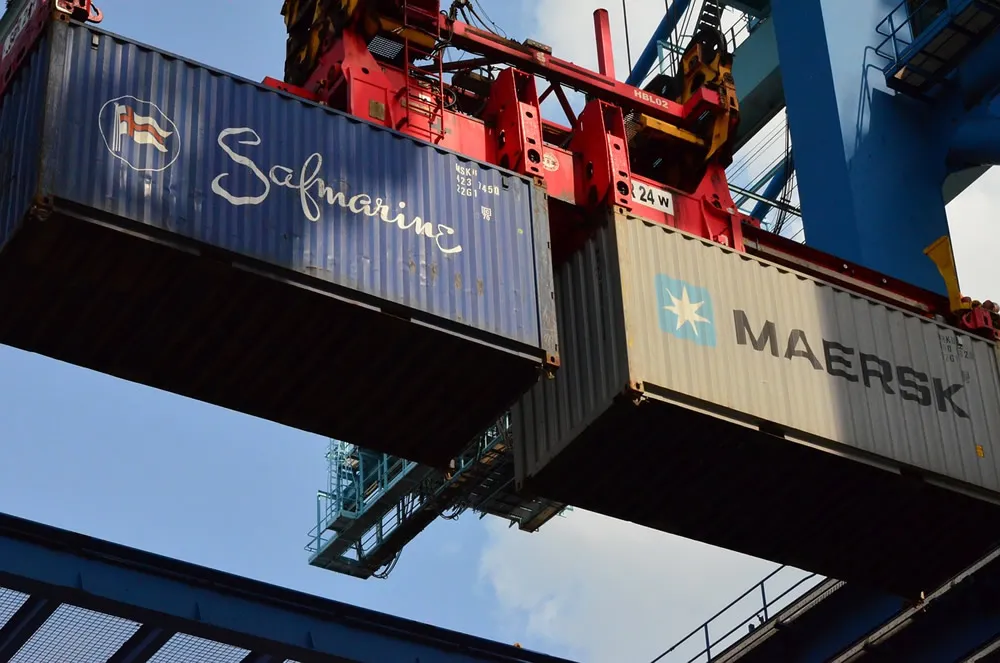
Step 6: Apply for export tax rebate. Prepare the relevant documents, such as the customs declaration form, special value-added tax invoice, export foreign exchange settlement form, etc., and apply for tax rebates to the tax authorities through platforms like the electronic port. The tax authorities will review the application, and if everything is in order, the tax rebate amount will be duly deposited into the company's account.
IV. Precautions
Prepare all documents completely: Ensure that all the aforementioned vouchers, documents, and other materials are prepared completely and accurately according to the requirements. Any missing items or errors may affect the progress of the tax rebate or even lead to the inability to claim the rebate.
Adhere to time limits: Each stage has corresponding time regulations, such as the time limit for foreign exchange settlement after customs declaration and the time limit for applying for export tax rebates. Foreign trade companies must bear these time points in mind and complete all operations on time, otherwise, problems may arise.
Export tax rebate for foreign trade companies is a profound subject. Mastering it can bring significant benefits to the company. We hope all our friends can study diligently and operate according to the standardized procedures, making export tax rebates a powerful booster for company development. If you have any questions or insights during the operation, feel free to leave a message in the comment section to share and exchange, so we can all learn and progress together.

Recent Comments (0) 0
Leave a Reply