Mr. Kong recently discovered a peculiar phenomenon: for the same handcrafted leather goods, a neighboring shop sells 2,000 pieces to Europe monthly through a mysterious channel, while his own inventory piles up. What lies behind this is the digital export infrastructure – export trading platforms – overlooked by 90% of SMEs.
What is an Export Trading Platform?
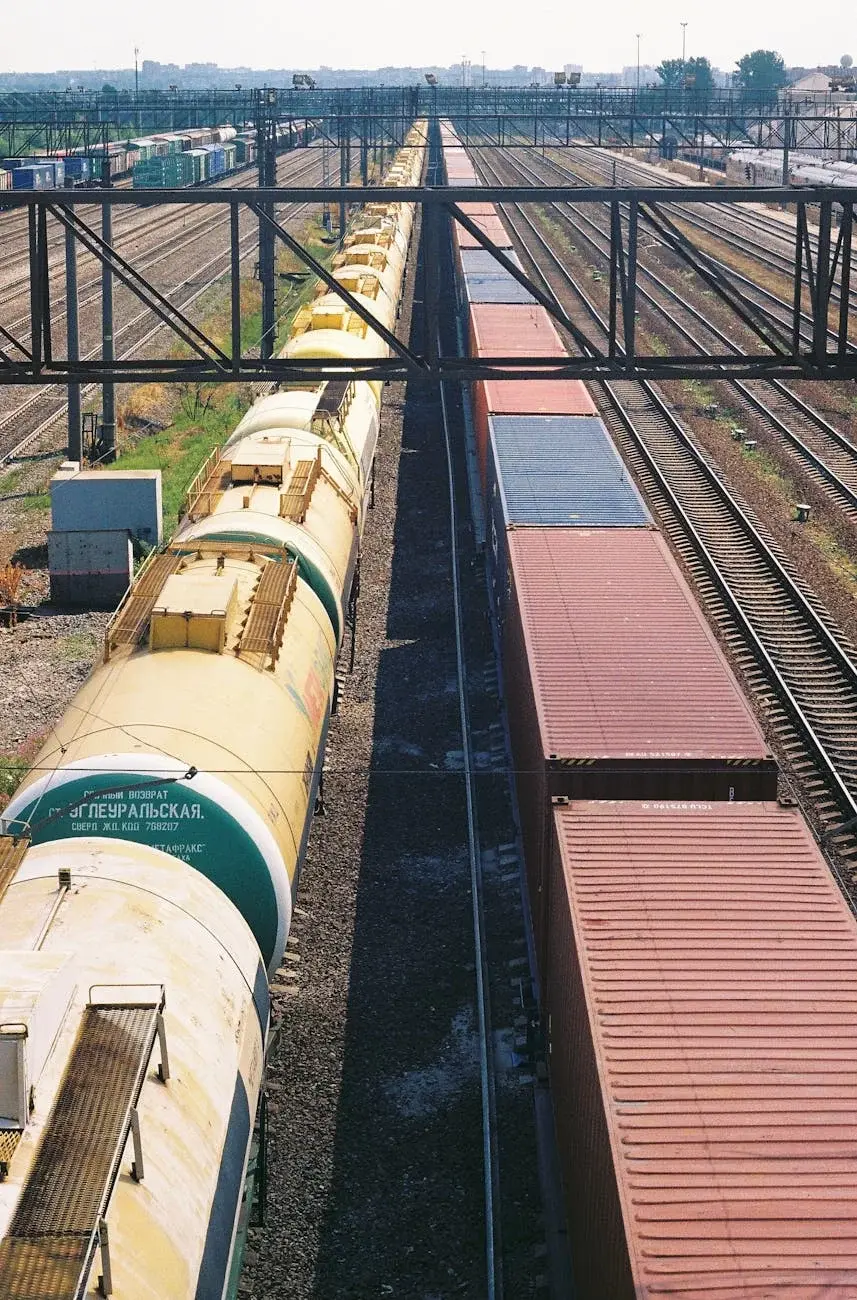
Unlike the traditional foreign trade model of "Canton Fair + email bombardment," modern export trading platforms are one-stop solutions integrating supply-demand matching, cross-border payments, and logistics tracking. Taking Zhongmaoda's service as an example, a ceramic enterprise used intelligent algorithms to match Middle Eastern buyers, reducing the transaction cycle from 45 days to 72 hours.
- Real-time multilingual product display
- Intelligent customs duty calculation system
- Cross-border credit guarantee system
Deciphering the Three Core Advantages
1. 300% Increase in Traffic Precision
Mr. Kong gardening tools previously had a customer acquisition cost of $8.2 per click on Google Ads. After joining a professional export trading platform, the system automatically pushed her to Southeast Asian landscape contractors, increasing conversion rates by 17 times.
2. Closed-Loop Risk Control
Through triple verification of orders, logistics, and payments implemented via blockchain technology, the bad debt rate in traditional foreign trade has been reduced from 6.3% to 0.8%.
3. Reduction in Hidden Costs
A mechanical parts manufacturer found that by using the platform's centralized customs declaration service, per-shipment customs clearance fees were reduced by 43% compared to their self-operated model.
How to Choose the Right Platform?
It is recommended to evaluate from three dimensions:
- Target market coverage (e.g., platforms focusing on the RCEP region)
- Industry verticality (e.g., specific sectors like auto parts/textiles)
- Completeness of value-added services (e.g., whether it includes overseas warehousing, tax refund agency services, etc.)
The Future is Here: Your Action Checklist
Why not start today:
1. Inventory 3 products with the highest export potential
2. Document the time/financial losses in your current foreign trade process
3. Trial the free matching services of at least 2 platforms
While traditional foreign trade professionals are still agonizing over "whether to transform," savvy merchants have already quietly laid the groundwork for a second growth curve on export trading platforms. Your enterprise may be just one brave click away from its next overseas bestseller.

Recent Comments (0) 0
Leave a Reply