When Mr. Xia first saw the unit price of Norwegian cod drop by 30% on an e-commerce platform, he thought there was a system bug. It wasn't until the logistics information showed the goods dispatched from a bonded warehouse that he realized – this was the "magic" of cross-border import agency. Today, from mother and baby products to luxury goods, more and more items are entering ordinary households through this "invisible supply chain".
Why Professional Agencies Are Necessary?
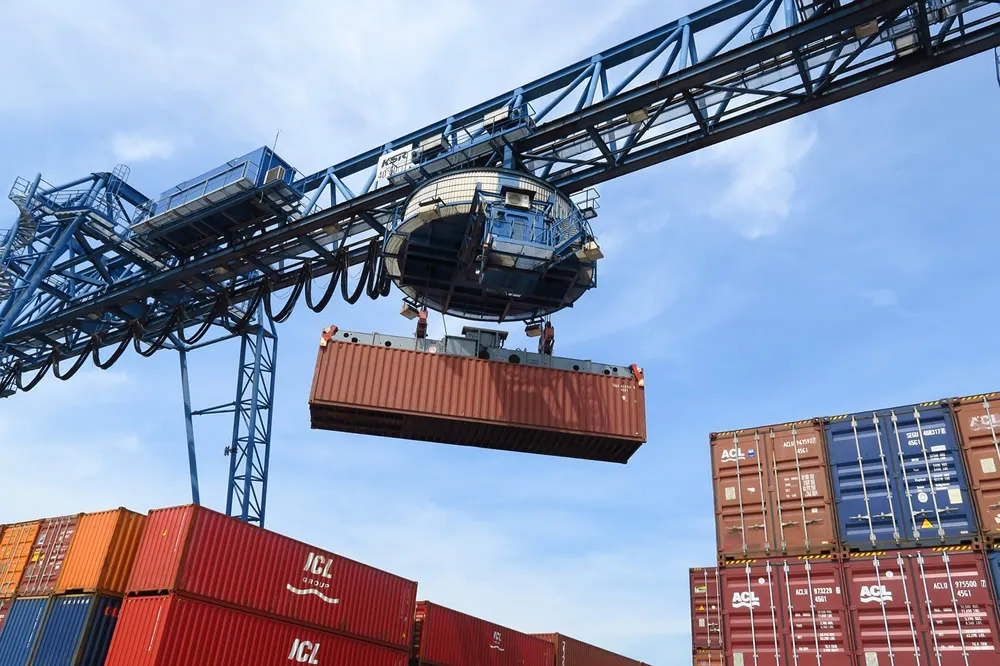
Mr. Xia cross-border e-commerce venture once nearly collapsed because a shipment of Japanese cosmetics was seized by customs. The complexity of cross-border imports far exceeds that of ordinary trade: product registration requires 12-15 documents, customs clearance for some categories can take over 20 working days, and tariff calculation involves multiple variables such as origin, commodity codes, and trade agreements.
- Compliance minefield avoidance: A certain brand had an entire batch of goods confiscated due to misuse of "health benefit" promotional language.
- Cost optimization potential: Through tariff reductions from free trade agreements, the import cost of Australian red wine can be reduced by 14%.
- Timeliness control challenges: A 1-day delay for perishable goods can result in 30% loss.
Core Value of Agency Services
Zhongmaoda's case library shows that professional agencies can help businesses reduce import compliance risks by 76%. Its value is mainly reflected in three dimensions:
- Full-link solutions: one-stop services from overseas warehousing and distribution, international transportation to bonded warehousing.
- Dynamic risk control system: real-time monitoring of 200+ changes in customs regulatory policies.
- Resource network effect: integrating 50+ port customs clearance channels and 3000 square meters of constant temperature warehousing.
Golden Rules for Choosing an Agency
Mr. Wang uses the "Three-View Rule" to screen service providers: he examines historical customs clearance data (at least 500 successful cases), assesses their information system capabilities (e.g., API integration with ERP), and reviews their crisis management cases (such as emergency plans during the pandemic). Particular attention should be paid to hidden fee traps; some agencies use a "low quote + high surcharges" model, causing the overall cost to increase by 20%.
Industry Transformation: The Future Has Arrived
As agreements like RCEP deepen, cross-border imports are showing a trend towards "small batches and high frequency". A certain mother and baby platform, through an agency's "split delivery combined declaration" model, increased its inventory turnover rate to 3 times that of traditional models. In the next decade, agencies capable of integrating digital capabilities and localized services will become core nodes in the new trade ecosystem.
As you finish reading this article, perhaps an airplane carrying French red wine is crossing the Eurasian continent. How do you plan to leverage this "invisible lever"? Feel free to share your practical cross-border experiences in the comment section.

Recent Comments (0) 0
Leave a Reply