In today's wave of globalized business, import activities are becoming increasingly frequent and important. The two modes involved, import agency and self-operated imports, are crucial aspects that many enterprises and practitioners need to understand in depth. Today, let us lift the veil of mystery surrounding them and explore what lies within.
Import Agency: Professional Assistance, Effortless and Convenient
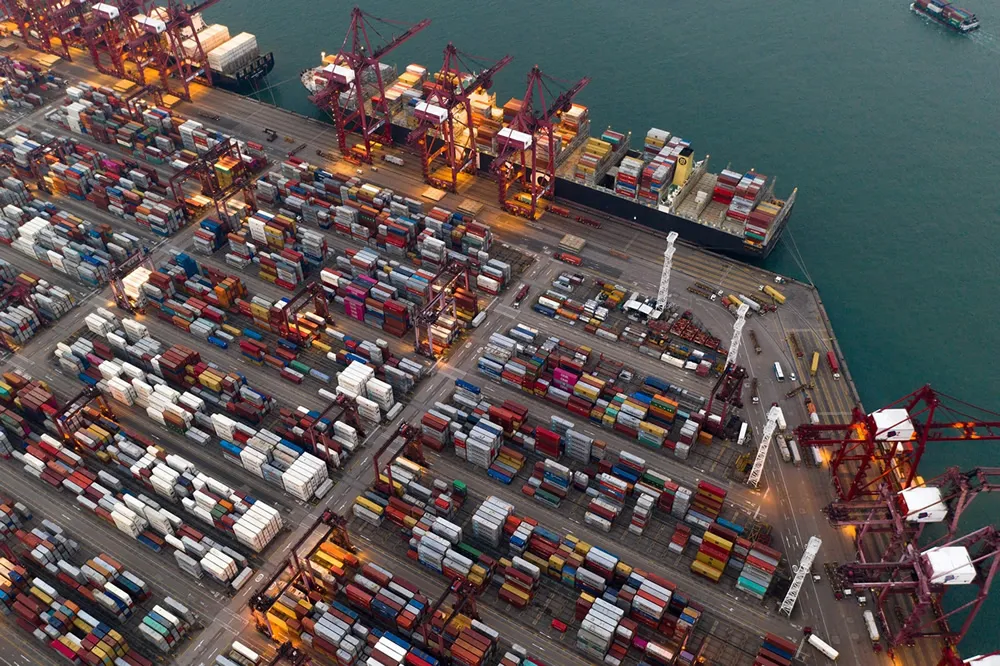
For many enterprises, the import agency model serves as a powerful assistant for entering the international market. For instance, Mr. Lian company wants to import a batch of advanced production equipment from abroad. However, facing complex customs procedures, tedious declaration processes, and various trade policies, Mr. Lian feels overwhelmed. At this point, choosing a professional import agency company is akin to finding a considerate housekeeper.
Import agency companies typically have professional teams who are well-versed in the trade regulations of various countries and proficient in customs declaration procedures. They can assist enterprises in handling a series of matters such as contract signing, document preparation, transportation arrangements, customs and inspection declarations. Enterprises only need to clarify their needs and provide necessary information, and they can largely save effort and focus on the development of their core business. Moreover, with their rich experience, import agency companies can quickly provide solutions when encountering problems, effectively avoiding numerous risks that may arise from enterprises' unfamiliarity with the processes.
Self-Operated Imports: Taking the Initiative, Deep Involvement
Unlike import agency, Mr. Lian company has chosen the self-operated import model. Self-operated imports mean that the enterprise itself must be fully and deeply involved in every aspect of the import business. From finding suitable overseas suppliers, to negotiating prices, signing contracts, arranging transportation, and handling customs declarations, everything must be done personally.
Although this model may seem troublesome, it has numerous advantages. Firstly, enterprises can have more direct control over the entire import process, with stronger control over key factors such as product quality and delivery times. Secondly, by directly engaging with overseas suppliers, enterprises may be able to obtain more competitive prices and better cooperation terms. Of course, this also places higher demands on the enterprise's own resources and capabilities, requiring enterprises to have professional foreign trade talent, rich international market experience, and sufficient financial strength.
How to Choose: What Fits is Best
So, how should enterprises choose between import agency and self-operated imports? There is no absolute standard for this; the key lies in the actual situation of the enterprise.
- If the enterprise is relatively small, lacks foreign trade experience, wishes to quickly conduct import business, and wants to avoid excessive complicated matters, then the import agency model might be a good choice.
- If the enterprise already possesses a certain foreign trade strength, has a professional team and sufficient resources, and desires greater initiative and higher profit margins in import business, then self-operated imports are more worth considering.
In summary, both import agency and self-operated imports have their own characteristics and advantages. When making decisions, enterprises must conduct comprehensive considerations by combining their own development strategies, resource conditions, and other factors. Only by choosing a mode that suits them can they thrive in the vast world of import business and achieve better development. We hope that after understanding this content, readers will have clearer thoughts and plans for their own enterprise's import business model, and we welcome everyone to share their opinions and experiences in the comment section.

Recent Comments (0) 0
Leave a Reply