Have you ever missed business opportunities due to complex import procedures? Last year, Mr. Yan imported a batch of precision instruments through an agency and completed customs clearance in just 15 days, saving 40% of costs compared to his peers; Mr. Yan, on the other hand, incurred losses exceeding 100,000 yuan due to goods being held at the port because she was unfamiliar with the process. The efficient operation of agency import business hinges on precise control of the process. This article will break down the key stages with a flowchart to help you avoid 99% of hidden traps.
Core Process Infographic: Five-Step Closed-Loop Model
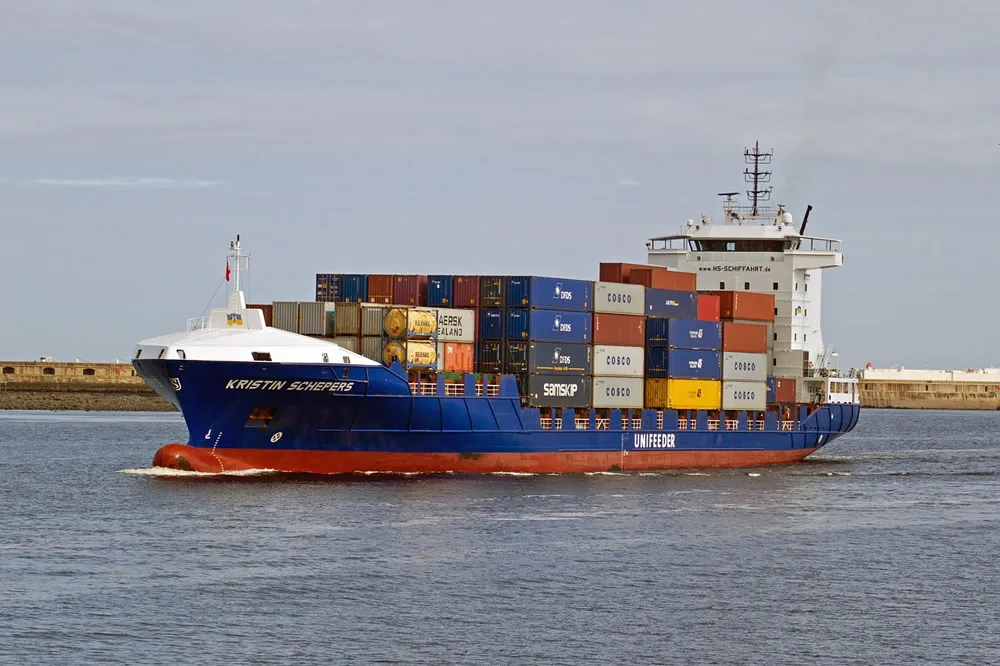
Agency import business can be simplified into a closed-loop model of "Demand Confirmation → Overseas Procurement → International Logistics → Customs Clearance and Tax Payment → Domestic Delivery". Zhongshidong case data shows that standardized processes can improve overall efficiency by 25%:
- Demand Confirmation Stage: It is necessary to clarify HS codes, tariff rates, and regulatory conditions (such as 3C certification).
- Overseas Procurement Stage: Pay attention to the choice of trade terms (FOB/CIF affect cost allocation).
- International Logistics Stage: The decision point between sea and air freight lies in the value-to-timeliness ratio (air freight is recommended for goods valued at less than 200,000 yuan).
Three High-Risk Pitfall Warnings
According to customs data from 2023, 34% of import delays are caused by documentation issues:
- Commercial Invoice: Must specify the country of origin, terms of sale, and currency.
- Packing List: Must be completely consistent with the actual goods (a company was detained for a weight discrepancy of 2kg).
- Quarantine Certificate: Food products require prior filing of the approved list for entry.
Special Reminder: Electromechanical products require copies of CE/ROHS certification with the overseas manufacturer's official seal.
Golden Rules for Cost Control
According to the analysis by Zhongshidong's intelligent calculation system, optimizing these three aspects can reduce costs by 15-30%:
- Tariff Planning: Utilize preferential tariffs under agreements such as ASEAN/ECFA (e.g., import tariffs for machine tools from Taiwan can be reduced to 0).
- Logistics Combination: For the Europe route, the "China-Europe Railway Express + Domestic Bonded Warehouse" model is recommended.
- Exchange Rate Lock-in: It is advisable to sign a forward foreign exchange agreement with the bank 30 days before payment.
Your Next Step Action Guide
Open your computer now and do three things: 1) Organize the HS codes for your most recent imported goods; 2) Verify the document checklist provided by your supplier; 3) Calculate the time-cost difference for different logistics options. The benefits of process optimization often exceed your imagination. Welcome to share your practical import experiences in the comment section. We will select 3 readers to receive a free customs health check.

Recent Comments (0) 0
Leave a Reply