Mr. Jiang recently encountered a vexing issue: a batch of precision instruments ordered from overseas, despite having a signed contract and payment made, has been stuck at customs for a full three weeks. The agency company is evasive, and the demurrage fees, mounting to thousands of yuan daily, are snowballing... Does this scenario sound familiar? Today, we will break down the key stages of the agency import process and guide you to master the "security code" of cross-border trade.
I. Why Do You Need a Professional Agency?
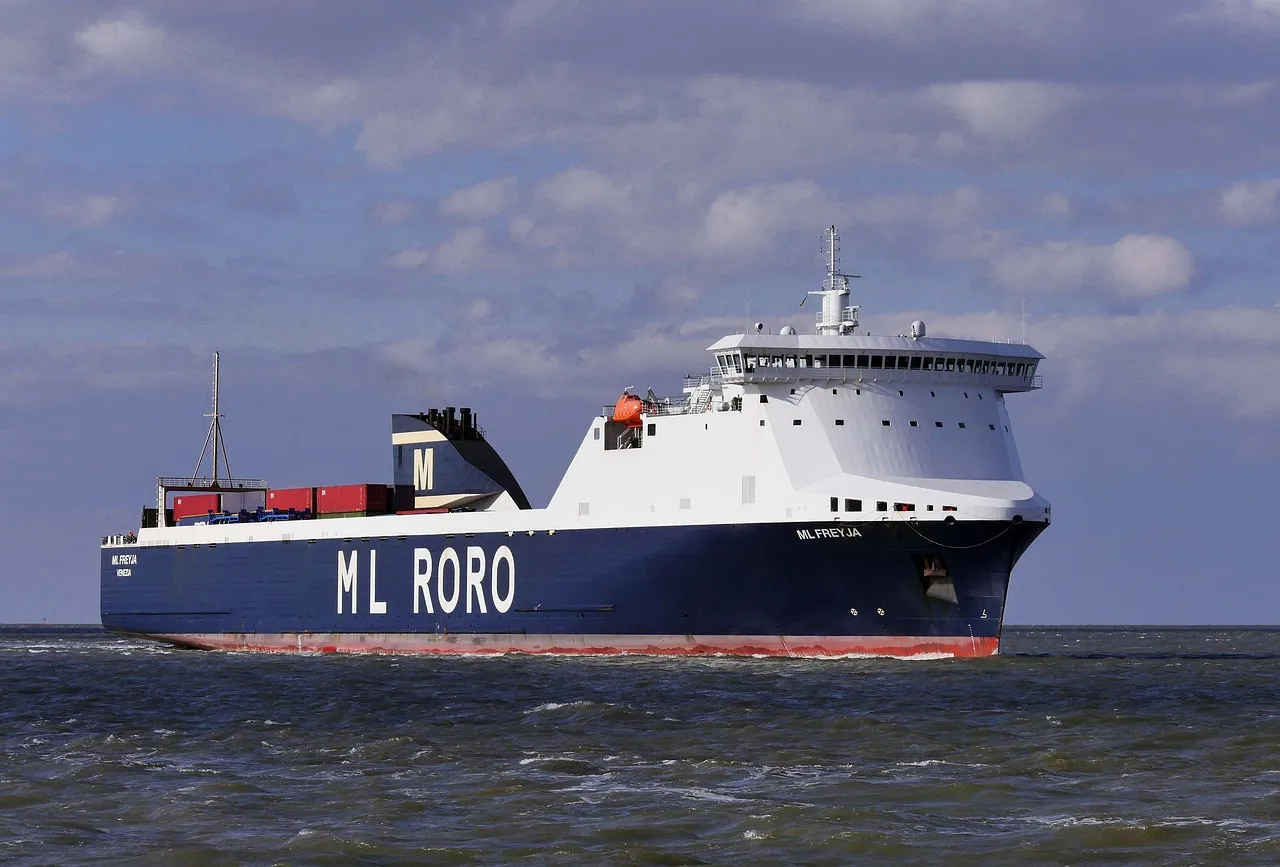
According to customs data, in the first quarter of 2023, 73% of cargo returns due to non-standard declarations originated from companies handling their own operations. The value of an agency lies in:
- Policy Radar: Real-time updates on dynamic changes such as HS code adjustments and tariff preference lists.
- Risk Buffer: Pre-screening documents to avoid fatal errors like "discrepancy between documents."
- Cost Optimization: Reducing overall tax burden through policies like free trade agreements.
Mr. Jiang cosmetics import case is a prime example: the agency team, through the dispute resolution mechanism for classification, reduced the initially set 30% tariff to 6%, saving 120,000 yuan per batch of goods.
II. The Core Four Steps of Agency Services
STEP 1 Qualification Verification
Checking the agency's "three certificates" is indispensable: Customs AEO certification, import and export right certificates, and electronic port cards. Established institutions like Zhongmaoda also display their customs clearance efficiency records for the past three years, which is true capability.
STEP 2 Contract Trap Scrutiny
- Vague Clauses: Does the "tax-included price" include VAT?
- Responsibility Allocation: Who bears the demurrage fees beyond a certain amount?
- Exit Mechanism: How to change agents if service standards are not met?
STEP 4 Full Visual Tracking
Leading institutions now achieve: WeChat push notifications for customs declaration status, real-time video communication for inspection issues, and automatic alerts from tax calculators, eliminating the embarrassment of "discovering tax needs to be paid only after the goods arrive at the port."
III. These "Tuition Fees" Are Actually Unnecessary
Case 1: Mr. Wang, trusting "ultra-low-priced agencies," had his goods destroyed due to un-fumigated wooden packaging. Legitimate agencies provide a quarantine risk list upon signing.
Case 2: A company, believing its classification was correct, imported "graphene" which customs deemed "nanomaterials," leading to a hefty fine. Professional agents' pre-classification services can prevent such technical risks.
IV. Have Your Import Needs Been Met?
Try answering these three questions:
- Are you clear about the regulatory conditions for your target product? (e.g., 3C certification catalog)
- Can you withstand the financial pressure of cargo being detained for over 3 weeks?
- Do you have an emergency plan to deal with policy changes such as RCEP?
If your answers are no, it may be time to re-evaluate your supply chain strategy. Feel free to share your cross-border challenges in the comment section; we will select three typical cases for professional analysis.

Recent Comments (0) 0
Leave a Reply