"Mr. Ding recently received an overseas order but was stuck in customs clearance for two full weeks, with daily port congestion fees burning over a thousand yuan..." Does this scenario sound familiar? Import trade seems profitable, but without understanding the agency process, even a small mistake can lead to dual losses of time and money. This article will take you 10 minutes to break down the entire import agent process and avoid the pitfalls that 90% of novices encounter.
I. Why Do You Need a Professional Agent?
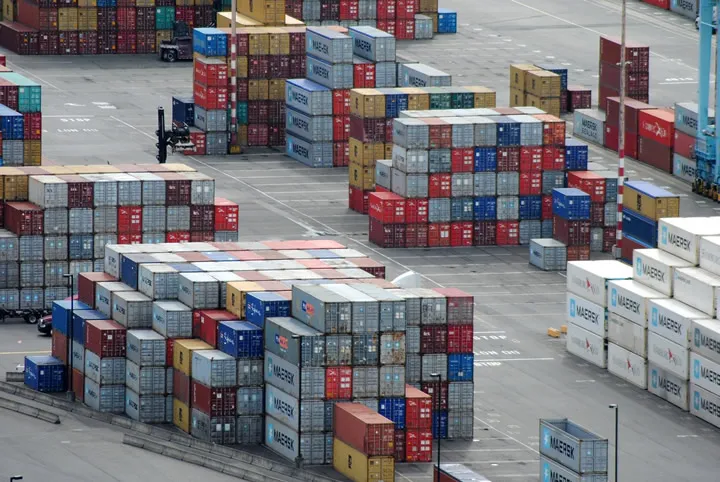
According to industry data, 73% of first-time importing companies incur additional costs due to incorrect documents or procedural oversights. The core value of professional agency institutions like Zhongmaoda lies in:
- Avoiding fines caused by incorrect HS codes for declared commodities
- Forecasting changes in quarantine policies (e.g., new Australian dairy product regulations)
- Optimizing tariff plans to save 5-15% of costs
II. Six Core Steps of the Import Agent Process
STEP 1 Qualification Preparation
Mr. Ding imported cosmetics project was returned due to failure to obtain the filing certificate for non-special use imported cosmetics. Three essential documents are required:
- Enterprise Customs Registration Form
- Import and Export Business License
- Product Specific Permit (Food/Medical Devices, etc.)
STEP 2 Overseas Shipment
Choose FOB or CIF? It is recommended to confirm with agents like Zhongmaoda:
- 40-foot container sea freight costs are 80% lower than air freight
- Perishable goods must be booked in temperature-controlled containers
- Purchase full cargo insurance (0.3% of cargo value)
STEP 3 Document Pre-Examination
Common "minefields" that lead to customs rejection:
- Certificate of Origin not notarized
- Invoice does not reflect the transaction method (CIP/DDP, etc.)
- Wooden packaging lacks IPPC fumigation mark
III. Key Actions After Customs Clearance
Mr. Wang's batch of German equipment was found to require 3C certification after arriving at the port, causing the production line to stop. Be sure to note:
- Quarantine inspection goods require an on-site inspection appointment (5 working days in advance)
- Apply for a VAT special invoice within 3 days of tax payment
- Goods in special customs supervision areas require deregistration procedures
IV. Changes to Watch Out For in 2024
Under the "two-step declaration" model newly introduced by the General Administration of Customs:
- The first stage only requires submission of 9 basic information items to pick up the goods
- The deadline for complete declaration is extended to 14 working days
- Live and fresh goods can apply for a "pre-release" channel
Import agency is not simply a "errand service," but a combination of risk control expert + cost optimizer. What difficult problems did you encounter in your last import? Welcome to share in the comment section. Zhongmaoda's senior consultants will select 3 typical cases for professional analysis.

Recent Comments (0) 0
Leave a Reply