When Mr. Fang first saw the batch of German-imported specialty resins, he never imagined that this liquid in barrels could increase his company's production efficiency by 40%. Imported chemicals are like an underexplored gold mine, but 99% of people can't even find the entrance – today, we will unveil the mystery of this industry.
Why Are Leading Companies Expanding into Import Chemicals?
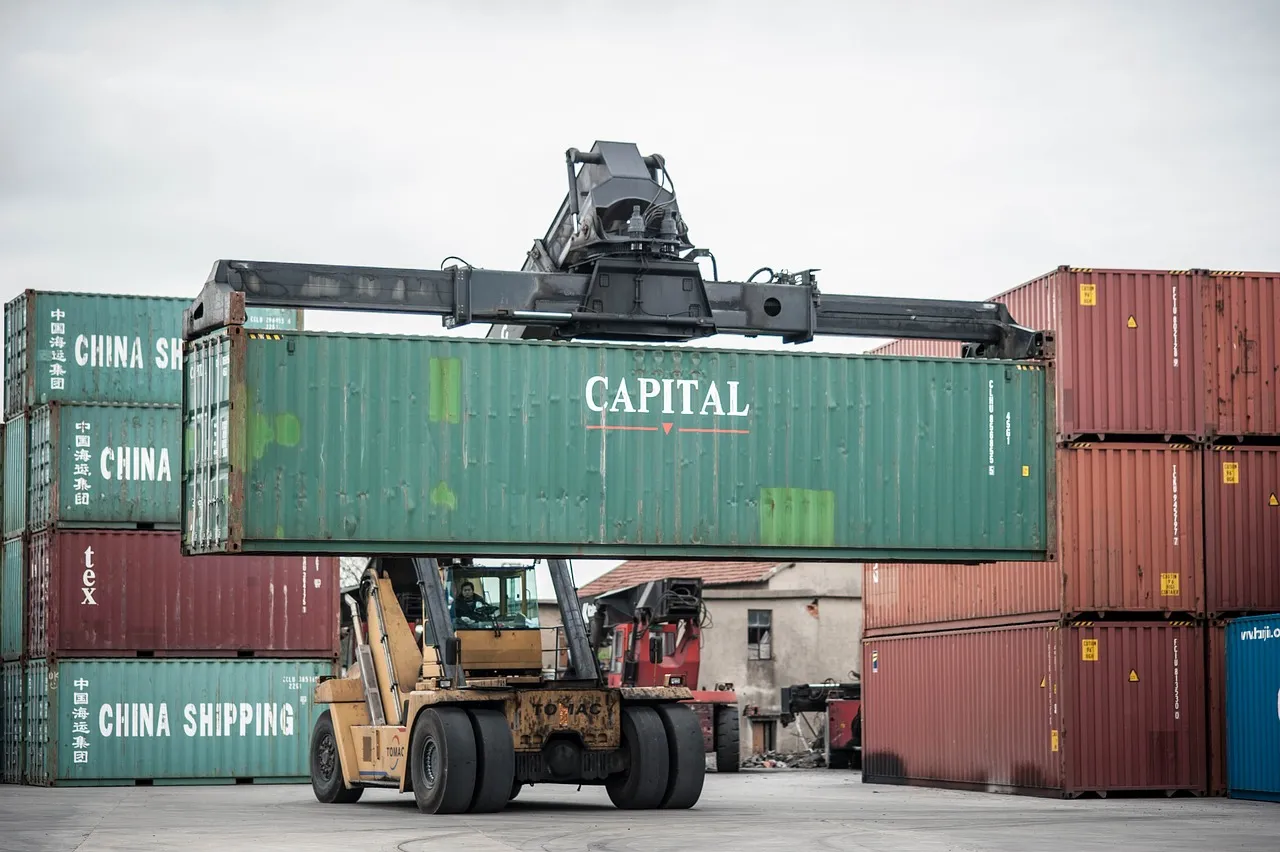
Late at night in an industrial park in the Yangtze River Delta, Mr. Fang quality inspection team is receiving a batch of Korean-imported catalysts. The imported product with 99.99% purity has boosted their product pass rate from 82% to 95%. Behind this are three indispensable advantages:
- Technical Barrier: Only 3-5 countries possess mass production technology for certain specialty additives.
- Performance Gap: For the same dosage, imported dispersants are 2-3 times more efficient than domestic ones.
- Cost Conundrum: Although the unit price is 30% higher, the overall usage cost is actually lower.
Five Survival Rules for the Agency Industry
The case of Zhongmao Da Chemical shows that successful import agencies need to build a complete moat:
- Qualification Matrix: At least three licenses are required: hazardous chemical operation/import-export/warehousing.
- Technical Translation Capability: Accurately translate foreign MSDS into technical documents that comply with national standards.
- Inventory Magic: Lock in prices for 90-day futures through bonded warehouses.
- Compliance Red Line: Real-time tracking system for REACH/CLP regulations.
- Fund Turnover: Single letter of credit amount is typically not less than 5 million US dollars.
Three Fatal Mistakes for New Entrants
Mr. Wang's lesson from losing 8 million last year while acting as an agent for Japanese resins is a warning:
- Equating "original factory authorization" with profit guarantee (regional protection clauses actually need verification).
- Ignoring HS code classification differences (the tax rate for the same product can differ by 12% at different ports).
- Underestimating technical service costs (3-5 on-site engineer guidance sessions are required per ton of product).
How Will the Industry Be Reshuffled in the Next Five Years?
With RCEP tariff reductions, the Southeast Asian transshipment hub model is emerging. An agent successfully reduced the landed cost of European epoxy resins by 18% through a Vietnamese packaging plant. However, note:
- The EU will impose a Carbon Border Adjustment Mechanism (CBAM) starting in 2024.
- The FDA has added 54 new chemicals to its import alert list.
- Cross-border e-commerce platforms are beginning to erode the market share of traditional agents.
As you read this, another cargo ship carrying specialty silicone oil may be crossing the Strait of Malacca. Players in this industry have long since stopped competing on price, but are building barriers in supply chain resilience and value-added technical services. Are you ready to re-examine this wealth track full of chemical reactions? Welcome to share your industry observations in the comment section.

Recent Comments (0) 0
Leave a Reply