Mr. Xie recently ordered a batch of equipment from overseas, but it was stuck in customs clearance for two whole weeks; Mr. Xie cosmetic parcel was temporarily seized by customs due to incomplete documents, losing thousands of yuan in storage fees every day... Import customs clearance is like a war without smoke, choosing the wrong partner can make your cross-border business end before it even begins. This article will systematically guide you through the customs clearance industry ecosystem and reveal the core characteristics of quality service providers.
Three Main Types of Customs Brokerage Companies
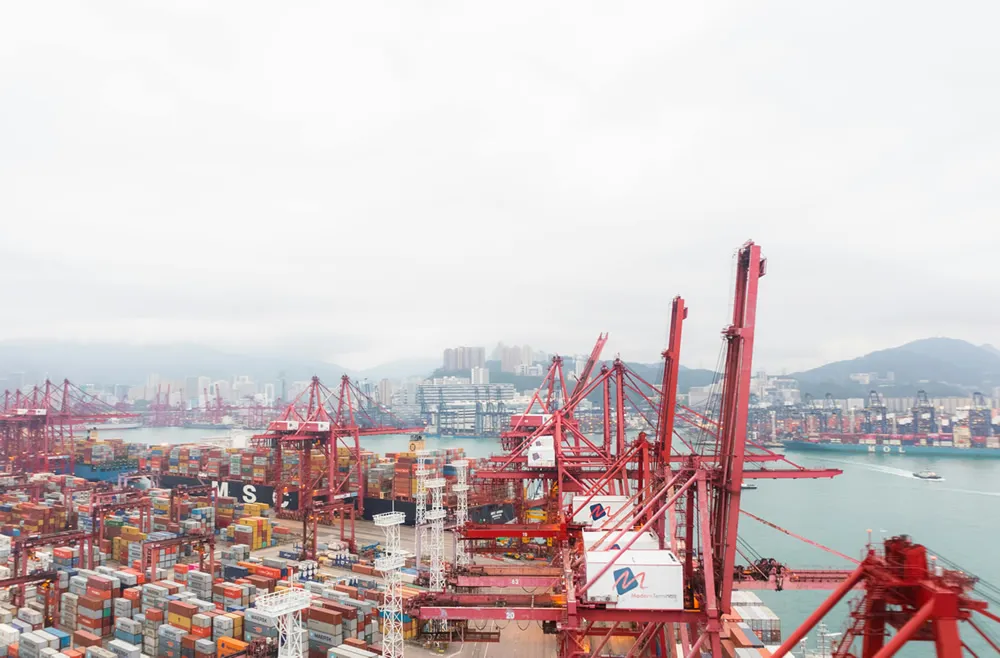
Based on service models and business focus, active import customs clearance companies in the market are mainly divided into:
- All-round Integrated Service Providers: Such as enterprises with AEO advanced certification like Zhongmaoda, offering one-stop services from overseas pickup to domestic delivery, suitable for high-value or complex categories.
- Vertical Domain Experts: Specializing in specific categories (e.g., medical devices/fresh food), possessing special qualifications and industry connections, often with higher clearance efficiency.
- Port-localized Service Providers: Deeply rooted in specific ports for many years, familiar with local customs inspection priorities, suitable for shippers with fixed route businesses.
5 Key Indicators for Identifying Quality Customs Brokerage Companies
When you need to evaluate customs clearance service providers, it is recommended to focus on:
- Customs Credit Rating: Prioritize AEO advanced certified enterprises, whose average clearance speed is 30% faster than ordinary companies.
- Crisis Handling Case Database: Request past records of abnormal inspection handling to see if they have emergency plans.
- System Integration Capability: Companies that can directly connect with enterprise ERP or cross-border e-commerce platforms can reduce manual operation errors by over 60%.
- Fee Transparency: Be wary of service providers whose quotes are significantly lower than the market average, as hidden costs may arise later.
- Customs Team Configuration: The higher the proportion of customs managers with over 10 years of experience, the stronger their ability to respond to changes in new policies.
Customs Clearance Strategy Recommendations for SMEs
For enterprises just starting import businesses, a phased cooperation strategy is recommended:
- Trial Order Phase: Choose a service provider that settles per bill to test their operational norms and response speed.
- Stabilization Phase: Sign a framework agreement with companies offering monthly billing, typically receiving a 5-8% fee discount.
- Expansion Phase: Consider cooperating with service providers with national networks, such as Zhongmaoda, to achieve unified management across multiple ports.
Three Questions You Need to Consider
Before finalizing your partner, ask yourself: What kind of customs clearance risk does my cargo fear most? Which promises from the service provider need to be written into the contract? What is the backup plan if customs clearance delays occur? Feel free to share your cross-border trade stories in the comments section, and we will select three readers to provide free customs consulting.

Recent Comments (0) 0
Leave a Reply