Mr. Du recently ordered a batch of equipment from overseas but was held up at customs clearance for two whole weeks; Mr. Du personal shopper package was detained by customs due to false declaration, incurring over ten thousand yuan in extra fees. Why does this seemingly simple import customs clearance process always lead to pitfalls? Today, we will unveil its mystery.
I. The Core Process of Import Customs Clearance
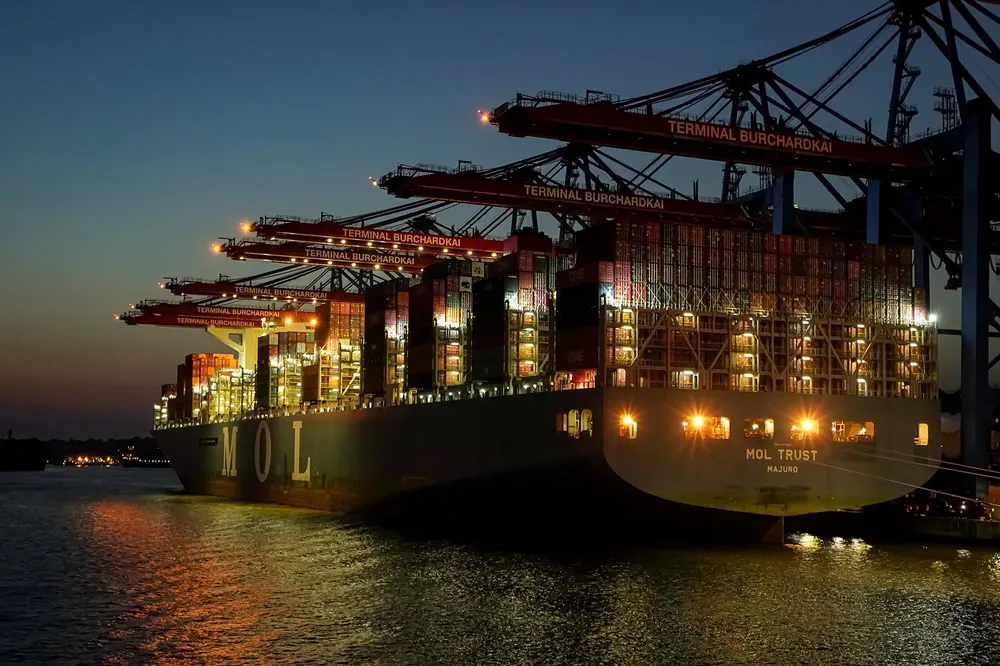
Import customs clearance can be divided into four major stages: Pre-preparation, Declaration and Inspection, Tax Payment, and Goods Release. Taking an example of a medical device import case served by Zhongmaoda, the complete process takes an average of 5-8 working days.
- Pre-preparation: Confirm HS code (error rate up to 37%), prepare documents such as certificates of origin.
- Declaration and Inspection: Electronic declaration may be followed by manual inspection (sampling rate approximately 15%).
- Tax Calculation: Involves a combination of import duty + VAT + consumption tax (for some goods).
II. 3 Major Pitfalls That 90% of Novices Fall Into
According to customs data from 2023, declaration issues accounted for 68% of customs clearance delays:
- Incorrect Product Classification: A certain type of smart device was mistakenly classified as a toy, resulting in a 12% difference in tax rates.
- Missing Documents: Special documents such as health certificates/3C certifications need to be prepared 30 days in advance.
- Under-declaring Prices: The customs database contains price reference ranges for 20 million types of goods.
III. 5 Golden Rules for Professional Customs Clearance
Zhongmaoda clearance experts recommend:
- Choose a customs broker with AEO certification (improves clearance speed by 50%).
- Apply for pre-classification in advance (customs review takes 3 working days).
- Prepare backup clearance plans for special goods (e.g., medical devices require NMPA filing).
- Consider duty guarantees for bulk cargo (can shorten port dwell time).
- Utilize preferential terms of Free Trade Agreements (e.g., RCEP can reduce or exempt some tariffs).
IV. These New Regulations Are Affecting 2024 Customs Clearance
Key recent policy updates include:
- Cross-border e-commerce B2B export pilot expanded nationwide.
- Some electronic products require carbon footprint declarations.
- Biological products require additional laboratory reports for clearance.
Customs clearance is like the "last mile" of international logistics, requiring both the navigation of professional knowledge and the patience for attention to detail. What difficulties have you encountered in import customs clearance recently? Please share your practical experience in the comment section.

Recent Comments (0) 0
Leave a Reply