"Mr. Xia, your shipment has been detained by customs and requires an additional 30% import duty." The notification from the customs broker on the other end of the phone sent a cold sweat down Mr. Xia spine. What he thought was a simple import process was stalled at the port due to a missed accessory code, resulting in thousands of yuan in daily storage fees...
Such scenarios are not uncommon in the import declaration process in mainland China. Whether you are a novice venturing into cross-border trade for the first time or an experienced buyer, you may end up paying dearly due to unfamiliarity with the rules. This article will dissect the core processes, common pitfalls, and compliance techniques of import declaration with real case studies, helping you avoid 90% of declaration traps.

I. Three Key Steps in Import Declaration
According to data from mainland China's customs, the rejection rate due to improper declaration reached 17% in the first quarter of 2023. To successfully complete customs clearance, these three stages must be strictly controlled:
- Preliminary Preparation: Confirm the product's HS code (the stage with the highest error rate), prepare certificates of origin, quality inspection reports, and other essential documents.
- Declaration Stage: Submit the customs declaration form through the single window system, paying special attention to ensuring the declared value matches the actual transaction price.
- Goods Release: After paying taxes and duties, differentiate between the processes for "port clearance" and "local clearance."
II. Four Common Misconceptions Trapping 90% of Companies
Mr. Xia cosmetics import case is quite representative:
- Misconception 1: Declaring a low price to "save on customs duties" – Subsequently faced additional taxes and fines after customs audit, ultimately paying double the amount.
- Misconception 2: Ignoring additional fees – Failing to include international freight and insurance costs in the dutiable value.
- Misconception 3: Expired certificates – A batch of medical devices was returned due to an expired CE certification.
- Misconception 4: Incorrect classification – Declaring "smart wearable devices" as "ordinary electronic watches" led to a tax rate difference.
III. Five Golden Rules for Professional Customs Declaration
Zhongmaoda's customs experts recommend:
- Submit a pre-classification application in advance to avoid HS code disputes.
- Allocate 2-3 months for pre-registration for special goods (e.g., food, medical devices).
- Choosing an AEO-certified enterprise as the declarant can enjoy customs clearance facilitation.
- Utilize preferential tariff rates under free trade agreements; agreements like China-Korea/ASEAN offer an average tariff reduction of 30%.
- Establish a compliance review checklist covering 12 elements such as document validity and prohibited/restricted item lists.
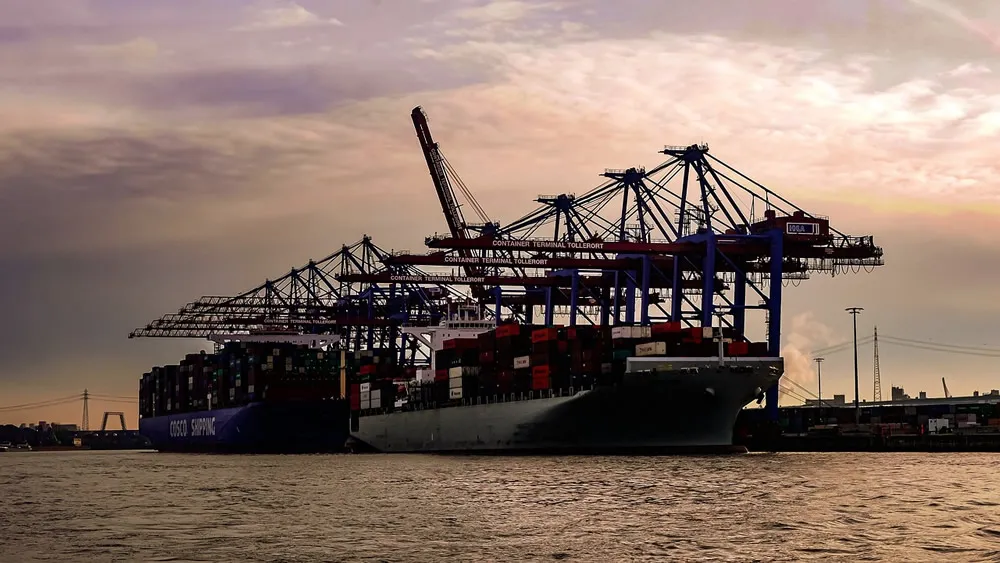
IV. Future Trend: Digitalized Customs Declaration is Inevitable
With the acceleration of customs' "smart port" construction, the following will be fully implemented from 2024:
- Blockchain traceability system – enabling the "three-document matching" of customs declarations, bills of lading, and payment records.
- Intelligent image analysis technology – container scanning will simultaneously complete 80% of inspection work.
- Enterprise credit rating – high-credit enterprises will enjoy "release first, audit later" treatment.
Import declaration is like precision surgery, where every detail matters. The next time you prepare to ship, ask yourself three questions: Has the HS code been pre-confirmed? Are all accompanying documents within their validity period? Does the declared price include all taxable items?
Feel free to share your customs declaration experiences in the comment section, or leave a message to get the latest edition of the Customs Declaration Guide. We are with you on the path to trade compliance.

Recent Comments (0) 0
Leave a Reply