Mr. Duan recently ordered a batch of equipment from overseas. He thought that paying the goods and freight would be the end of it, but was stunned by a series of fee lists during customs clearance – tariffs, VAT, inspection fees, storage fees... The meticulously calculated profit margin instantly shrank by 30%. Cases like Mr. Duan are not uncommon. Import customs clearance fees are like an iceberg, with what's visible on the surface only being the tip. Today, we will reveal the full picture of this iceberg.
I. Three Core Components of Import Customs Clearance Fees
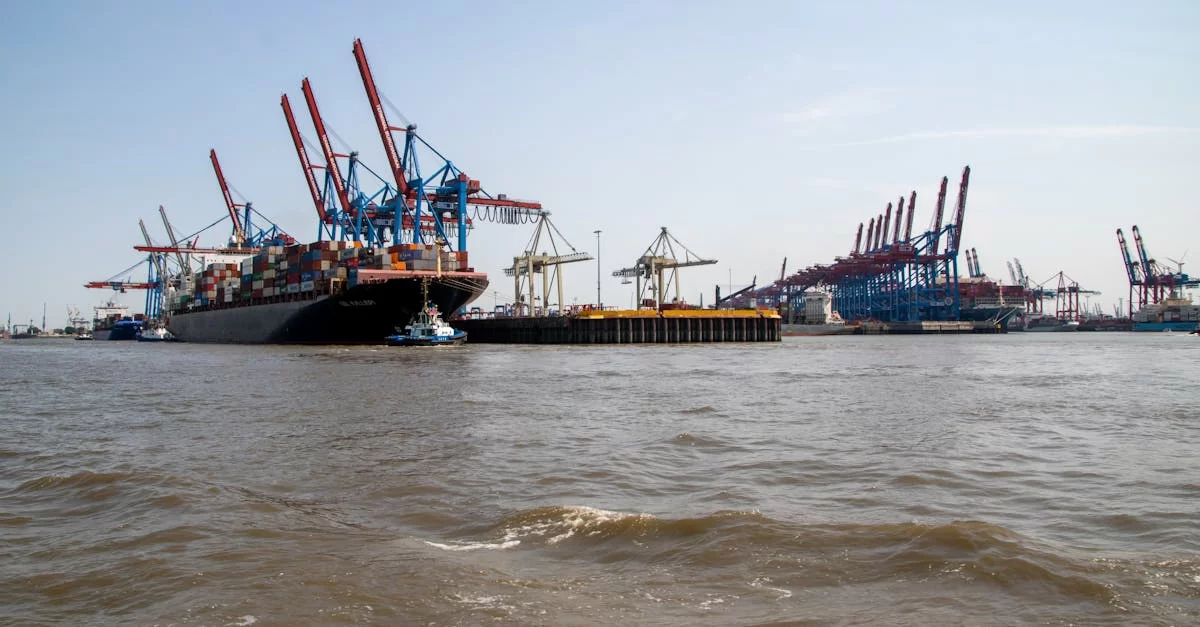
Import customs clearance fees are mainly composed of the following three parts:
- Statutory Taxes and Fees: Including customs duties, VAT, consumption tax, etc. The tax rates are determined by the commodity's HS code and country of origin;
- Government Fees: Such as quarantine fees (approximately 0.2% of the cargo value for animal and plant products), customs inspection fees (approximately 200-500 RMB/inspection);
- Service Fees: Declaration agent fees (approximately 0.1%-0.3% of the cargo value), demurrage charges (100-300 RMB per day for exceeding the free time of sea containers), storage fees (bonded warehouse approximately 5-10 RMB/day/cubic meter).
II. 5 Hidden Costs That Are Most Easily Overlooked
Mr. Duan imported cosmetics project suffered losses due to overlooking these fees:
- Label Rectification Fee: If Chinese labels do not comply with national standards, they need to be relabeled, adding 80-150 RMB per carton;
- Sample Testing Fee: For food products, a single test can cost 300-800 RMB, and usually 5-10 items need to be tested;
- Late Declaration Penalty: Failure to declare on time incurs a cumulative charge of 0.05%/day of the cargo value (triggered after 14 days);
- Anti-dumping Duties: Certain categories, such as stainless steel products, may suddenly incur additional duties of 30%-100%;
- Exchange Rate Fluctuation Loss: A long clearance cycle can lead to exchange rate differences when calculating taxes and fees.
III. 3 Practical Tips for Reducing Costs
Zhongmaoda Customs experts suggest:
- Advance Classification: Confirm the HS code through a customs advance ruling to avoid additional tax payments due to tariff code disputes;
- Utilize Free Trade Agreements: For example, RCEP can directly reduce import tariffs for goods from ASEAN countries by 5%-20%;
- Split Declarations: Declare high-value goods and low-tariff goods separately to reasonably allocate the declared value.
IV. Beware of These Special Circumstances
According to 2023 customs data, the following situations are most likely to incur additional fees:
- Wooden packaging not fumigated (penalty fee + destruction fee starting from approximately 5000 RMB);
- Medical devices lacking CFDA registration (storage fees during port detention averaging thousands of RMB per day);
- Cross-border e-commerce individual quota exceeded (annual quota of 26,000 RMB, exceeding the limit requires taxation under general trade).
Import customs clearance is like a meticulous financial balancing act, where every step can become a cost black hole. Have you also encountered unexpected customs clearance fees? Welcome to share your experiences in the comment section or send a private message to get a personalized cost calculation table. In the next issue, we will reveal how to reduce inspection rates through AEO certification. Stay tuned!

Recent Comments (0) 0
Leave a Reply