Have you ever wondered how goods crossing national borders reach you smoothly? From imported cosmetics purchased overseas to imported cars, a key player is indispensable behind the scenes – the import and export freight forwarder. This seemingly mysterious industry is, in fact, the "invisible bridge" of global trade. This article will peel back its layers, allowing you to understand its operational logic and core value.
I. What is an Import and Export Freight Forwarder?
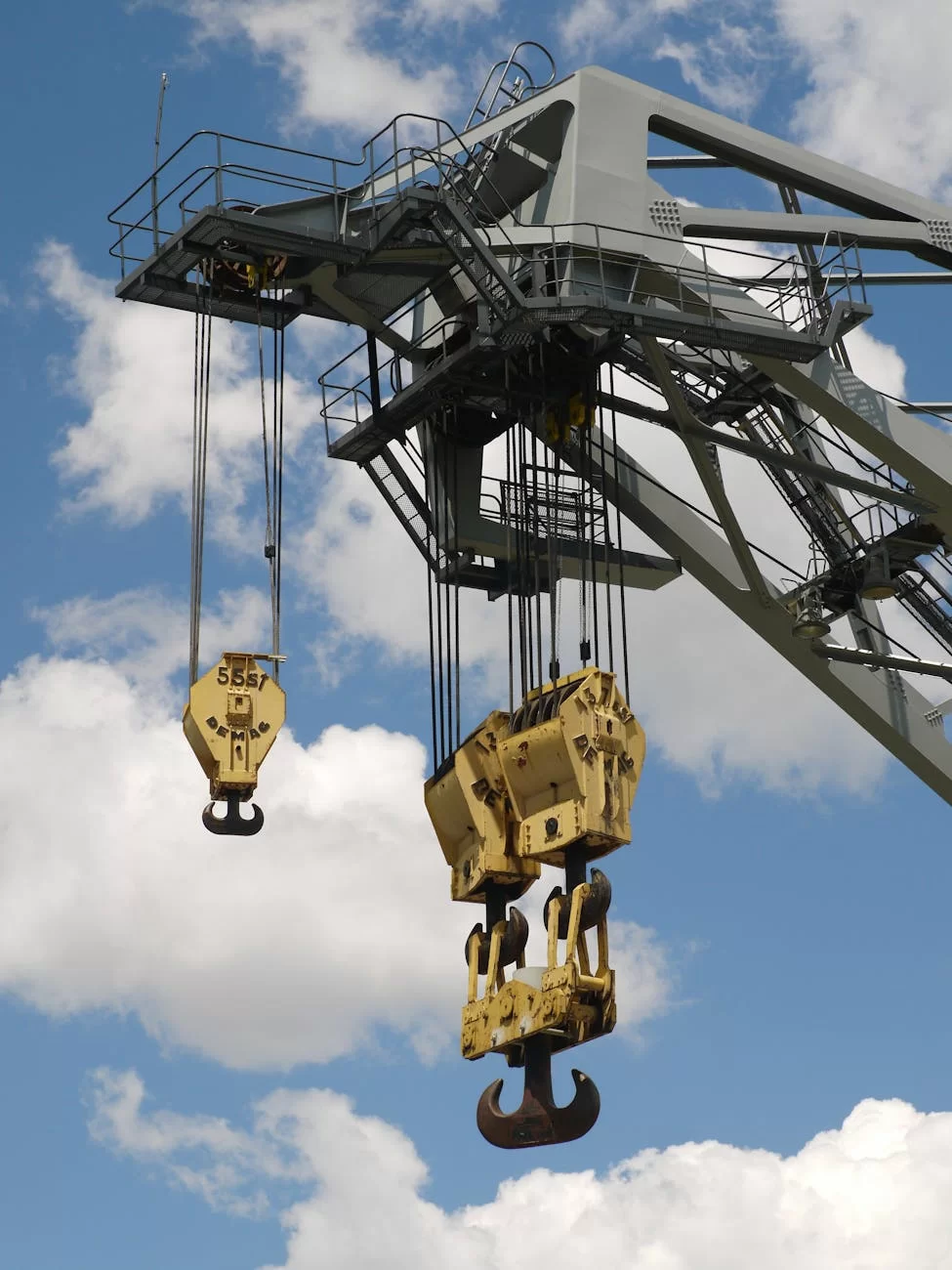
Simply put, an import and export freight forwarder is a service provider that specializes in offering international logistics solutions for buyers and sellers. They act as "trade managers," handling aspects such as customs declaration, transportation, and warehousing. For example, if Mr. Zeng wants to import a batch of machinery from Germany, a freight forwarder will assist him in completing all processes from booking space to customs clearance, even mitigating potential tax risks.
- Core Services: Ocean/Air Freight Forwarding, Document Preparation, Customs Duty Consultation
- Key Advantages: Saving time costs, reducing compliance risks
II. Industry Pain Points and Solutions
Mr. Zeng recently encountered a problem: her ceramic export order was held up due to a sudden change in quarantine standards. This situation is not uncommon in the industry:
- Sudden policy adjustments (e.g., HS code changes)
- Tight shipping space during peak seasons
- Differences in customs clearance documents for the destination country
The value of professional freight forwarders becomes evident here – organizations like Zhongmaoda utilize a pre-audit mechanism to review documents in advance and establish backup transportation plans, reducing the probability of delays by over 60%.
III. 3 Golden Rules for Choosing a Freight Forwarder
Facing hundreds of service providers in the market, keep these three dimensions in mind:
- End-to-End Capability: Does it cover the entire process from the port of origin to the port of destination?
- Industry Experience: Are there case studies of handling similar products?
- Digitalization Level: Can cargo status be tracked in real-time?
A certain importer of mother and baby products once suffered heavy losses due to choosing a forwarder who was only proficient in ocean shipping, leading to delays in last-mile delivery.
IV. Future Trends: From Executor to Strategic Partner
With the deepening of agreements such as RCEP, freight forwarders are shifting from basic services to the role of supply chain optimization. This includes, for example, analyzing route transit times through big data or designing tax-optimal logistics routes for clients. This requires practitioners to understand customs policies and possess commercial insight.
Next time you receive an international package, take a moment to think about the "trade ferrymen" behind it. If you are looking for freight forwarding services, feel free to leave a comment sharing your needs – perhaps a professional suggestion could save you six figures in costs.

Recent Comments (0) 0
Leave a Reply