“Mr. Zheng recently received an overseas order, but unfamiliarity with the import and export process led to goods being stranded at the port, incurring daily losses of nearly ten thousand yuan...” Such stories are not uncommon in the trade industry. The length of the import and export agency cycle often directly affects a company's capital turnover and client satisfaction. This article will break down the complete timeline of import and export agency to help you proactively avoid risks.
I. Preparation Phase: The Easily Overlooked Time Sinkhole
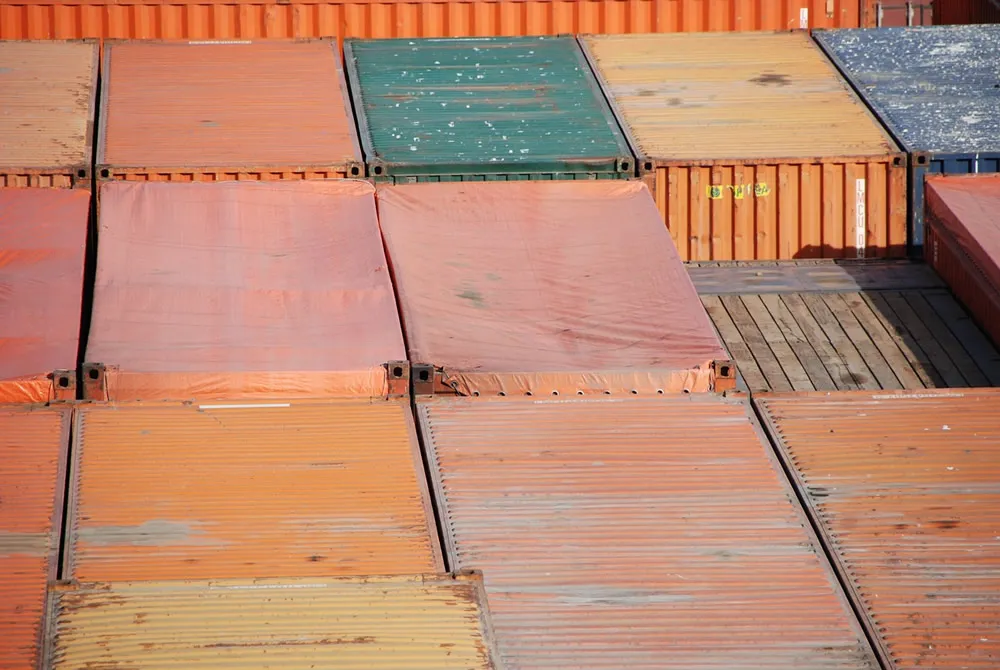
Most people only focus on transit time, overlooking the critical early preparation phase. Taking clients served by Zhongmaoda as an example, a complete cycle typically includes:
- Document Preparation (3-7 business days): including contracts, invoices, packing lists, certificates of origin, etc. Mr. Zheng once had an entire batch of wood products returned due to a missing fumigation certificate.
- Qualification Review (1-3 business days): New clients need to complete customs registration, apply for an electronic port card, and other procedures.
- Booking and Scheduling (2-5 calendar days): During peak seasons, popular routes require booking two weeks in advance.
II. Choosing Transportation Methods: A Trade-off Between Time and Cost
The time difference between different transportation methods can be tens of times:
- Air Freight: Door-to-door typically takes 3-7 days, but freight costs are 5-8 times higher than sea freight.
- Full Container Load (FCL) Sea Freight: Europe/US routes take approximately 25-35 days, Southeast Asia routes 15-20 days.
- Less than Container Load (LCL) Sea Freight: requires an additional 7-10 days for consolidation.
- China-Europe Railway Express: Falls between air and sea freight, approximately 12-18 days.
Zhongmaoda cases show that 80% of clients adjust their transportation plan during their second shipment. Mr. Zheng, through a "sea freight + destination country bonded warehouse" model, shortened the average delivery cycle by 40%.
III. Customs Clearance: The "Invisible Hurdle" That Can Hold Up Goods
Customs clearance time is the biggest variable factor:
- Routine Customs Clearance: 1-3 business days (with complete documentation).
- Inspection and Detention of Goods: potentially extending by 7-15 days; a batch of electronic products was detained for 11 days due to an incorrect HS code.
- Special Supervision: Goods involving 3C certification, food, etc., require an additional 5-20 days.
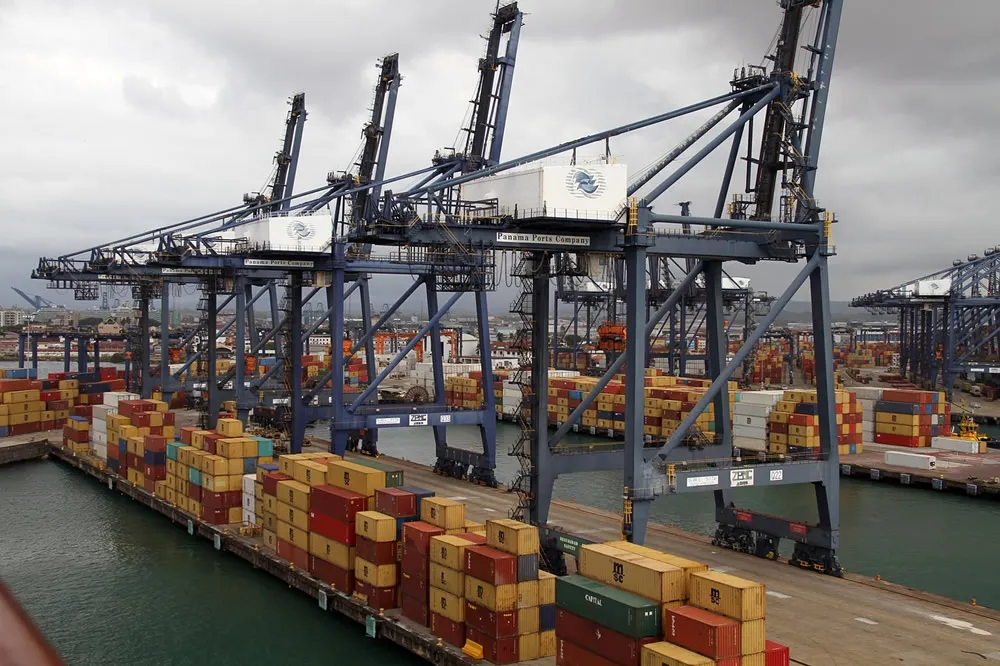
Recommended preparations:
- Complete and accurate product name and material description
- Pre-record customs declaration information in advance
- Perform pre-classification for sensitive goods
IV. Force Majeure Factors: Essential Buffer Period
The Panama Canal drought in 2023 caused delays of over 30 days for some shipping routes; such risks must be factored into planning:
- Weather Factors: During typhoon season, Asian routes experience average delays of 4-7 days.
- Policy Changes: e.g., customs clearance efficiency decreased by 50% in the early stages of the EU's new battery regulation implementation.
- Holidays: Logistics efficiency decreases by 30%-60% two weeks before and after Chinese New Year, and during the European/American Christmas season.
What Stage Are Your Goods In?
Understanding the import and export cycle is not to create anxiety, but to more precisely control the pace of your supply chain. It is recommended that enterprises establish their own "time archives" to record the actual time spent on each stage for every batch of goods. Have you ever experienced losses due to misestimated cycle times? Feel free to share your experiences; the Zhongmaoda expert team will select 3 typical cases for in-depth analysis.

Recent Comments (0) 0
Leave a Reply