“Mr. Pang has been very troubled recently. His company finally received an overseas order, but because it lacked import and export agency qualifications, they watched the business slip away…” Such scenarios are not uncommon among small and medium-sized enterprises. With the acceleration of global trade, import and export agency qualification has become the “gateway” for enterprises to expand into international markets. But what exactly is import and export agency qualification? How to obtain it efficiently? This article will unveil the mystery of this “foreign trade pass.”
I. The Core Value of Import and Export Agency Qualification

No Qualification = No Entry Ticket. According to data from the General Administration of Customs, declarations rejected due to incomplete qualifications increased by 17% in 2023. Import and export agency qualification is not only a legal requirement but also a reflection of an enterprise's professional capabilities:
- Legal Operation: Avoid legal risks brought by "grey customs clearance"
- Cost Optimization: Self-declaration can save 15%-30% of agency fees
- Efficiency Improvement: Enterprises with complete qualifications have an average customs clearance time reduced by 2.4 days
II. Three Key Steps to Obtain Qualification
Mr. Pang's cross-border e-commerce team completed the qualification application in 3 months, 40% faster than the industry average. Her experience is worth learning from:
- Step 1: Confirmation of Entity Qualification – The business license must include the business scope of "import and export of goods"
- Step 2: Customs Registration – Electronic Port IC card and declaration unit registration are indispensable
- Step 3: Foreign Exchange Management Registration – Opening a foreign exchange account is a prerequisite for cross-border payments
It is worth noting that different product categories also require special permits, such as import and export food registration for food, and business registration certificate for medical devices.
III. Pitfall Avoidance Guide: Analysis of Common Pitfalls
The three high-frequency mistakes summarized by the Zhongmaoda expert team:
- Mistaking "business license scope" for "customs registration"
- Ignoring annual reporting obligations leading to automatic qualification expiration
- Failure to update HS codes in time leading to incorrect tariff application
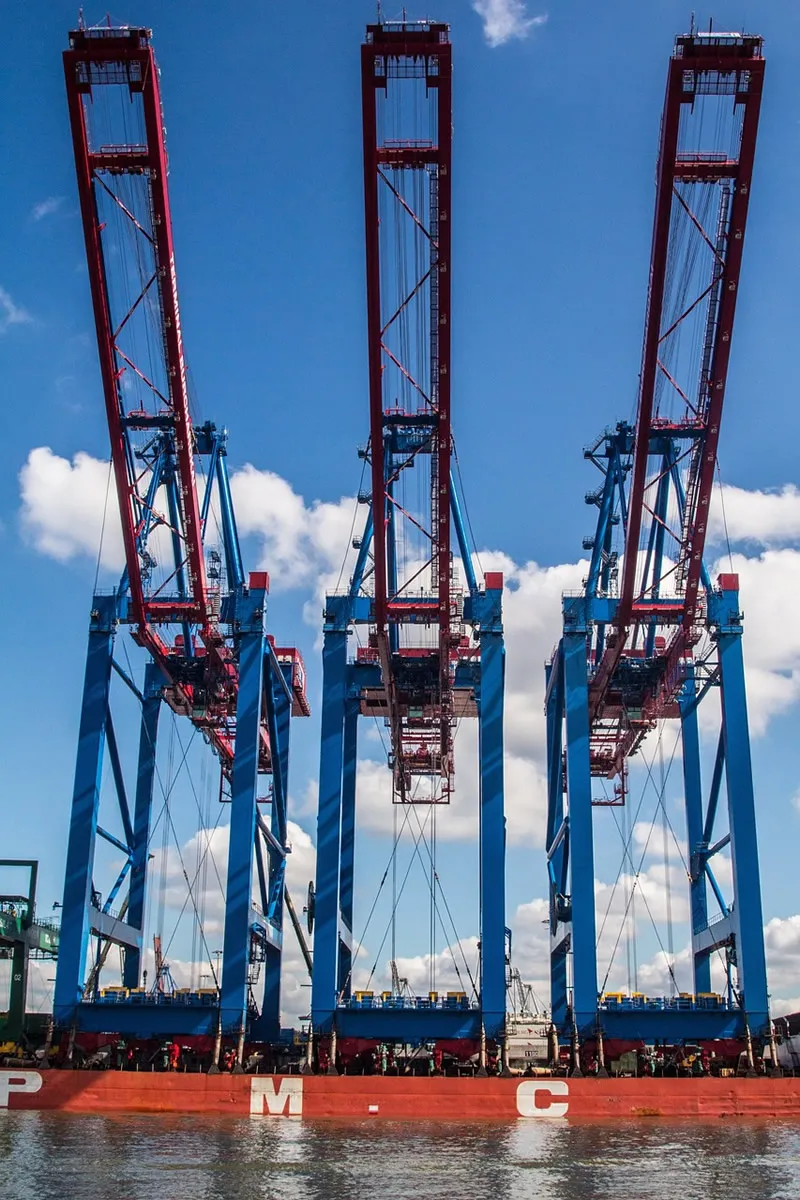
A building materials company once overpaid tariffs by 120,000 yuan due to not updating to the new HS codes, a profound lesson.
IV. Future Trends: Digital Qualification Management
With the nationwide promotion of the "Single Window," qualification applications have been realized:
- Online submission of documents (saving 60% of paper documents)
- Instant download of electronic certificates (processing time reduced from 20 days to 3 days)
- Intelligent early warning system (automatically reminding of qualification renewal)
Mr. Wang's trading company connected the qualification management system with its ERP through an API interface, achieving automatic verification of declaration qualification validity, reducing the error rate to zero.
Time to Act: At Which Stage is Your Enterprise?
Feel free to check against the following:
- □ Business license amendment completed
- □ Customs code obtained
- □ Qualification maintenance process established
If there are still uncompleted items, now is the time to act! Welcome to share your qualification processing experience in the comment section, or leave a message to inquire about specific issues. After all, in the marathon of international trade, compliant qualifications are the enterprise's running shoes – without the right equipment, even the strongest runner will withdraw midway.

Recent Comments (0) 0
Leave a Reply