In today's surging tide of globalization, export and import companies serve as sturdy bridges, spanning across different countries and regions, facilitating the smooth flow of goods and services. Their existence allows consumers worldwide to enjoy unique products from foreign lands and provides a platform for domestic enterprises to explore international markets. Today, let us embark on a journey to deeply understand the wondrous world of export and import companies.
Operating Models of Export and Import Companies
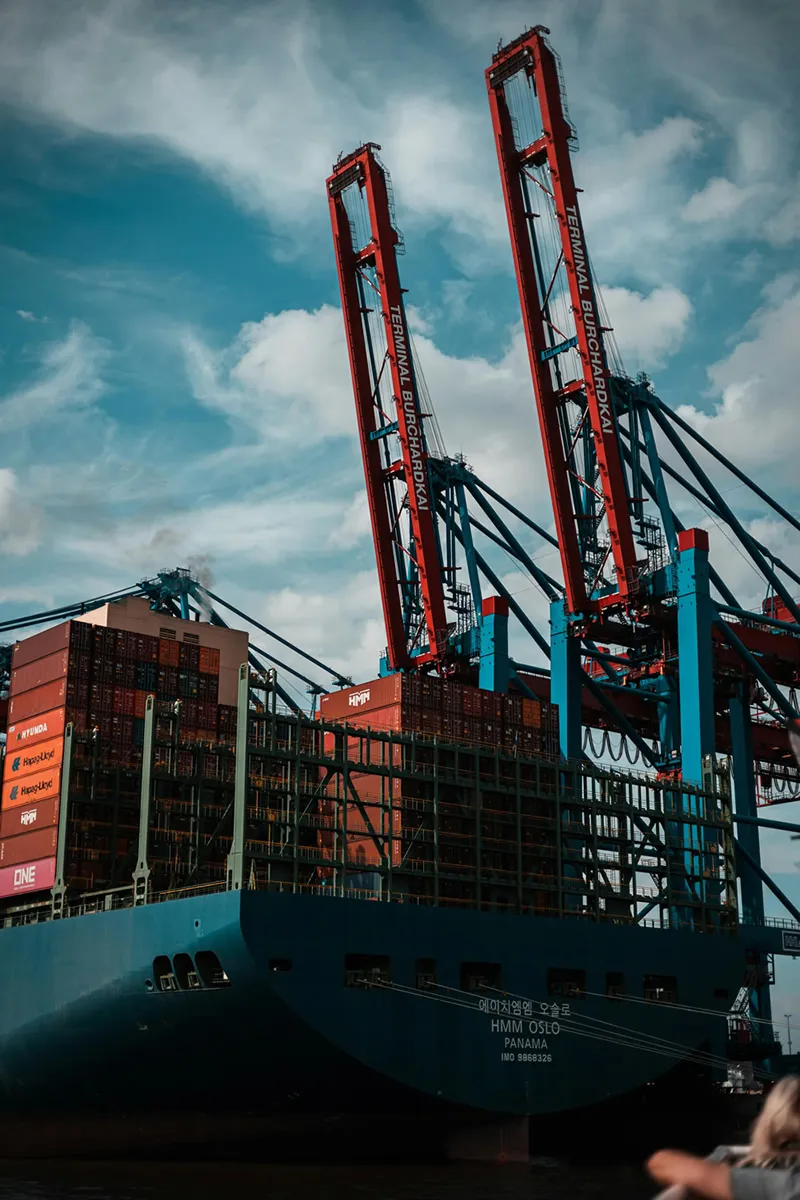
The core business of export and import companies is to facilitate the buying and selling of goods internationally. Taking Zhongmaoda as an example, its operating model primarily revolves around procurement and sales. On one hand, when there is demand for high-quality products from abroad, the company utilizes its professional team to delve into the domestic market to find suitable suppliers. Through strict selection and evaluation of suppliers' production capacity, product quality, price advantages, and other factors, they sign procurement contracts with chosen partners. On the other hand, when Zhongmaoda learns that domestic clients require a certain foreign product, it searches globally for high-quality foreign suppliers, negotiates cooperation details with them, and after completing the procurement, sells to domestic clients.
In this process, export and import companies also undertake a series of complex but critical tasks. For instance, coordinating logistics and transportation to ensure goods are delivered from the origin to the destination on time and safely; researching and adhering to international trade policies, as trade policies and tariff rates vary greatly between countries. Companies like Zhongmaoda must constantly monitor policy dynamics and plan trade activities reasonably to reduce operational costs and avoid trade risks.
The Important Role of Export and Import Companies
For domestic enterprises, export and import companies are their guides to the world. Many small and medium-sized enterprises lack international trade experience and channels themselves. Export and import companies can leverage their own resources to help these enterprises push their products into the international market. For example, a small manufacturing enterprise run by Mr. Guan, whose products are of excellent quality, has been limited to domestic sales. After learning about this enterprise, Zhongmaoda utilized its overseas sales network to successfully export Mr. Guan company's products to multiple countries, bringing new development opportunities for the enterprise.
For consumers, export and import companies significantly enrich their choices. Mr. Guan, who loves fashion clothing from Europe, finds it difficult to purchase them directly locally. Through import business, export and import companies introduce well-known European brands into the domestic market, satisfying the needs of many consumers like Mr. Guan, allowing everyone to experience international fashion trends without leaving the country.
Challenges and Opportunities Faced by Export and Import Companies
Currently, export and import companies face numerous challenges. The international trade environment is complex and constantly changing, with factors such as trade friction and exchange rate fluctuations potentially posing risks to company operations. For example, significant exchange rate fluctuations can lead to a substantial increase in import and export costs, squeezing profit margins. However, challenges often go hand in hand with opportunities. With the advancement of the "Belt and Road" initiative, trade cooperation among countries along the route is becoming increasingly close, creating broad market space for export and import companies. Zhongmaoda has actively responded to this initiative, strengthening trade interactions with countries along the route, expanding its business scope, and achieving new development.
Looking ahead, export and import companies need to continuously enhance their competitiveness. Strengthening digital transformation, utilizing technologies such as big data and artificial intelligence to optimize supply chain management and improve operational efficiency; strengthening professional talent development, building a high-quality team familiar with international trade rules, proficient in foreign languages, and skilled in business negotiation.
Export and import companies play an indispensable role on the international trade stage. They connect the supply and demand ends of the world. Although they face challenges, as long as they seize opportunities and actively innovate, they will continue to write brilliant chapters in the process of globalization. It is hoped that more enterprises and individuals will gain a deeper understanding of export and import companies, actively participate in international trade, and jointly promote the prosperous development of the global economy.

Recent Comments (0) 0
Leave a Reply