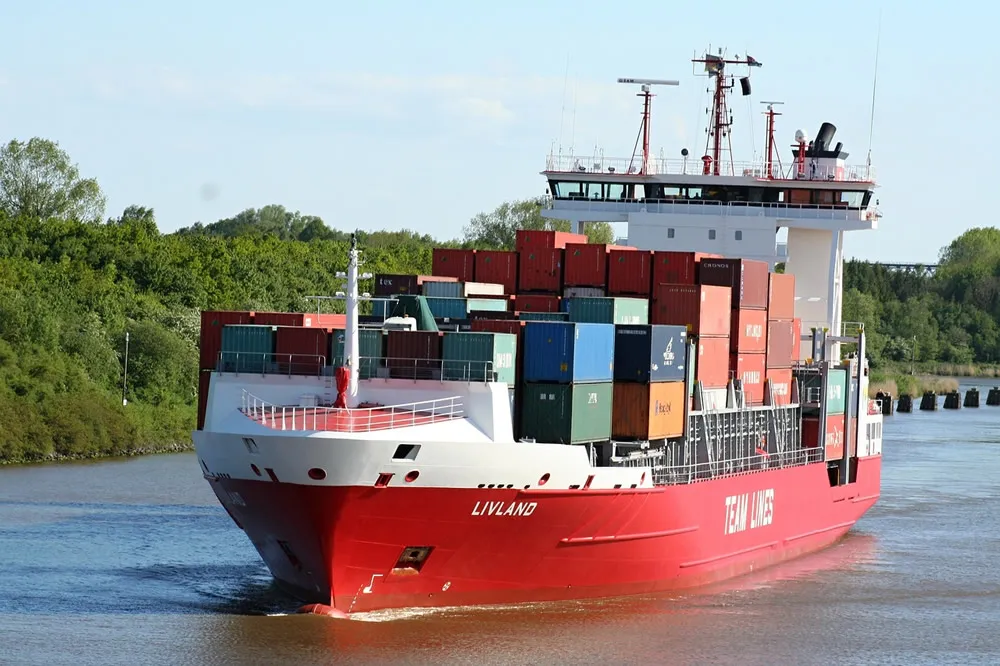
On the grand stage of global trade, import and export customs declaration, much like intricate gears, are small yet indispensable, silently facilitating the smooth circulation of goods between countries. Whether it's cargo ships laden with "Made in China" products heading out to the world, or aircraft bringing exotic specialties into the domestic market, none can bypass this crucial link of import and export customs declaration. Let us now delve into the mysteries of import and export customs declaration together.
Basic Concept of Import and Export Customs Declaration
Import and export customs declaration, in simple terms, refers to the process by which the consignor and consignee of import and export goods, the person in charge of transport vehicles entering or exiting the country, the owner of articles entering or exiting the country, or their agents, handle customs procedures and related customs affairs for the entry and exit of goods, articles, or transport vehicles. This encompasses a series of operations such as declaration, inspection, taxation, and release.
Taking Mr. Gong foreign trade company as an example, when they have a batch of goods to export to a European country, they need to truthfully declare detailed information about the goods, including their name, specifications, quantity, and value, in accordance with customs regulations. This is the declaration stage. The customs will then inspect the goods based on the declared information to ensure its accuracy. This is to prevent illegal items from entering or exiting the country, safeguarding national economic security and trade order.
Process of Import and Export Customs Declaration
- First is declaration. The consignor or consignee of import and export goods, or their agent, reports the status of the goods to the customs within the stipulated time, in written form or through electronic data interchange (EDI), and submits relevant documents. For example, commercial invoices, packing lists, bills of lading, etc. These documents are like the "identity cards" of the goods, detailing all their information.
- Next is inspection. The customs, in accordance with relevant laws and regulations, conducts an actual examination of the declared goods to verify that the goods match the declared content. Inspection methods are diverse, including manual inspection, equipment inspection, and so on.
- Then comes taxation. The customs levies tariffs and other taxes and fees based on the classification and dutiable value of the goods, in accordance with relevant tax rates. The tax rates for different commodities can vary significantly, and accurate classification is key to correct taxation.
- Finally, it is release. Once the declaration, inspection, and taxation procedures for the goods are completed, the customs stamps the release mark on the relevant documents, and the goods can then legally enter or exit the country.
Importance of Import and Export Customs Declaration
From a macroeconomic perspective, import and export customs declaration is an important means for the state to supervise foreign trade. Through the customs declaration process, the state can accurately grasp information on the types, quantities, and values of imported and exported goods, thereby formulating reasonable trade policies, protecting domestic industries, and promoting trade balance.
From an enterprise perspective, accurate and timely customs declaration is crucial. If there are errors in customs declaration, such as false declarations, enterprises may face penalties from customs, including fines and cargo detention. This not only increases operational costs but can also damage the company's reputation, thereby affecting future trade cooperation. Mr. Gong company once suffered significant economic losses due to the oversight of its customs declarant, who made a mistake in declaring the value of goods, leading to the goods being detained at the destination port for many days.
Import and export customs declaration is an indispensable part of international trade. For enterprises, it is essential to continuously improve their customs declaration capabilities to ensure the smooth clearance of goods; for industry practitioners, it is necessary to keep abreast of policy and regulatory changes and enhance professional literacy. Only in this way can the process of import and export customs declaration be made smoother in the increasingly complex international trade environment, promoting the prosperity and development of global trade. Let us pay attention to the new dynamics in the field of import and export customs declaration and contribute our strength to the development of international trade.

Recent Comments (0) 0
Leave a Reply