“Mr. Wu recently wanted to expand into overseas markets, but heard that the procedures for handling import and export rights were as complicated as navigating a maze, and just preparing the documents gave him a headache…” If you have similar concerns, then this article is for you. Today, we will provide a detailed analysis of the complete procedures for obtaining import and export rights, helping you easily overcome this hurdle.
What are Import and Export Rights?
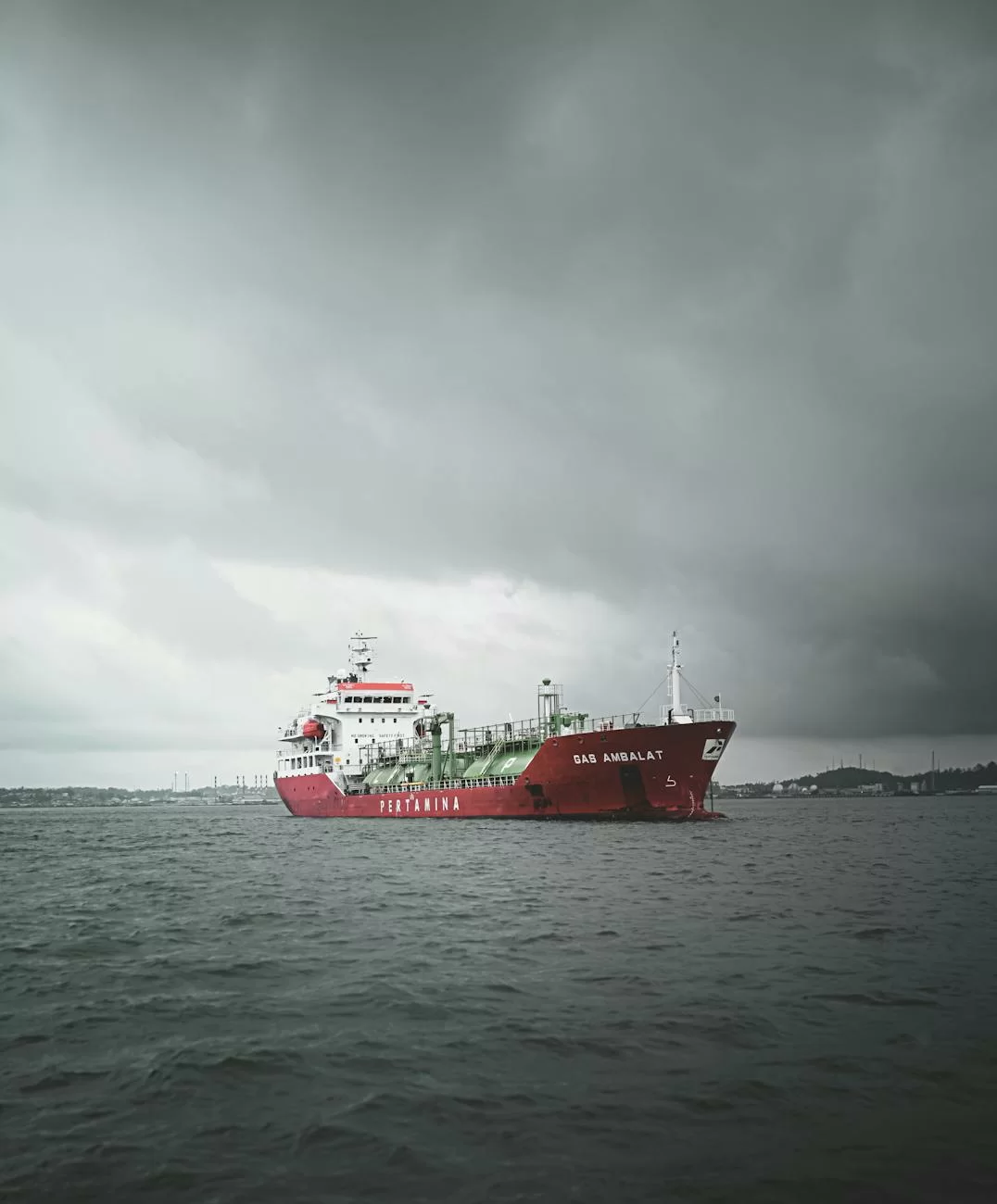
Import and export rights, officially known as “import and export operating rights,” refer to the qualifications granted to enterprises by law to engage in import and export trade. With import and export rights, enterprises can directly conduct trade with foreign clients without the need for third-party agents, thereby reducing costs and increasing efficiency.
Simply put, import and export rights are the "pass" for enterprises to conduct international trade.
What Conditions are Required to Handle Import and Export Rights?
Before starting the procedures, enterprises need to meet the following basic conditions:
- The enterprise has completed industrial and commercial registration and obtained a business license;
- The enterprise's business scope includes relevant content such as "import and export of goods" or "import and export of technology";
- The enterprise has opened a basic bank account;
- The enterprise has a fixed business premises.
Detailed Explanation of Complete Procedures for Handling Import and Export Rights
Handling import and export rights involves multiple departments, and the procedures are relatively complex. The following is a detailed explanation of the complete process:
1. Foreign Trade Operator Registration

This is the first step in handling import and export rights. Enterprises need to log in to the unified platform of the Ministry of Commerce business system, fill out the foreign trade operator registration form, and submit the following materials:
- Copy of the business license;
- Copy of the legal representative's ID card;
- Copy of the company's articles of association.
After the registration is approved, the enterprise will receive the Foreign Trade Operator Registration Form.
2. Customs Registration
Enterprises need to submit a registration application for customs declaration units to the local customs office, along with the following materials:
- Foreign Trade Operator Registration Form;
- Copy of the business license;
- Copy of the legal representative's ID card;
- Impression of the company's official seal.
After customs approval, enterprises will receive the Customs Declaration Unit Registration Certificate.
3. Electronic Port Card Application
The electronic port card is an essential tool for enterprises to carry out import and export customs declarations. Enterprises need to bring the following materials to the local electronic port data center for processing:
- Customs Declaration Unit Registration Certificate;
- Copy of the business license;
- Copy of the legal representative's ID card;
- Company seal.
4. Foreign Exchange Administration Registration
Enterprises need to apply for a foreign exchange account opening permit at the local foreign exchange administration and submit the following materials:
- Foreign Trade Operator Registration Form;
- Customs Declaration Unit Registration Certificate;
- Copy of the business license;
- Copy of the legal representative's ID card.
5. Entry-Exit Inspection and Quarantine Registration
If enterprises are involved in the import and export of special goods such as food and cosmetics, they also need to go to the entry-exit inspection and quarantine bureau to complete the registration procedures.
How Long Does it Take to Handle Import and Export Rights?
The time required for the entire set of procedures varies depending on the region and specific circumstances, usually taking 1-2 months. It is recommended that enterprises plan in advance and reserve sufficient time.
What Issues Should Be Noted When Handling Import and Export Rights?
- Ensure all materials are complete: Different departments may have slightly different requirements for materials, so be sure to check carefully;
- Fill in information accurately: Any errors may lead to the rejection of the application and delay the processing time;
- Follow up on progress promptly: Proactively communicate with relevant departments to understand the processing status;
- Seek assistance from professional institutions: If you find the procedures complicated, you can seek help from professional institutions.
Although handling import and export rights involves tedious procedures, as long as you follow the steps one by one, you can complete it smoothly. We hope this article provides clear guidance to help you successfully embark on your international trade journey. If you have any questions, feel free to leave a comment in the discussion area, and we will do our best to answer.

Recent Comments (0) 0
Leave a Reply