“Want to expand into overseas markets but stuck at the first hurdle?” Recently, Mr. Gu's company developed an innovative eco-friendly packaging material and received numerous international inquiries. However, they missed out on orders due to lacking import and export rights. Like Mr. Gu, many entrepreneurs are confused about the application process for import and export qualifications. Today, we will take **10 minutes** to help you understand the key steps and avoid those “pitfalls”!
I. Why are Import and Export Rights Necessary?
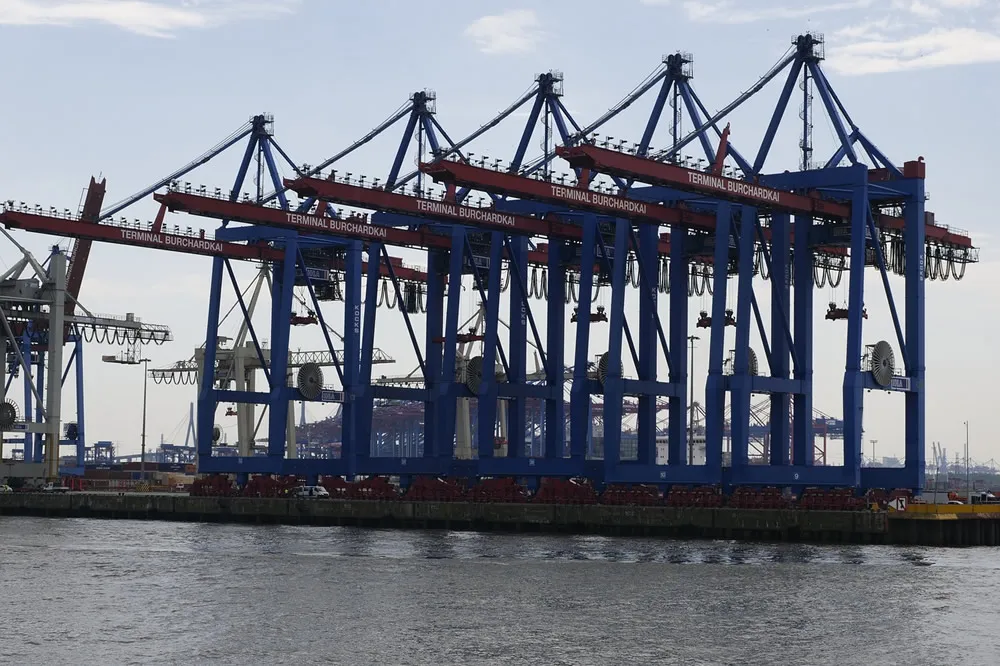
Simply put, it's the “pass” for enterprises to conduct international trade. With these qualifications, you can:
- Self-declare customs, saving agency fees
- Enjoy the benefits of export tax rebates
- Directly receive foreign currency payments, ensuring greater fund security
Zhongmaoda foreign trade experts remind you: **Starting from 2023**, some product categories have also introduced electronic documentation filing requirements. Early preparation can significantly improve efficiency.
II. Three Hard Conditions Before Application
Not all enterprises are eligible to apply. You must meet:
- Business scope in the business license includes “import and export” or “import and export of goods and technologies”
- Tax registration and bank account have been established
- The legal representative has no customs credit record violations
If the first condition is missing, you need to **change the business scope** at the Administration for Market Regulation first (usually 3-5 working days).
III. Step-by-Step Application Process Explained
Phase 1: Filing and Registration
Log in to the "International Trade Single Window" and submit:

- Duplicate of the enterprise's business license
- Organization code certificate (enterprises with a three-in-one license are exempt)
- Scanned copy of the legal representative's ID card
Generally, approval is granted **within 3 working days**, and you will receive the Foreign Trade Operator Filing Registration Form.
Phase 2: Customs Registration
Bring the filing form, company seal, and other materials to the local customs office to handle:
- Registration of import and export cargo consignees and consignors
- Application for an Electronic Port IC card
This is an essential tool for subsequent customs declarations. Card issuance takes approximately **7 working days**.
Phase 3: Foreign Exchange Administration Filing
After opening a foreign exchange account, you need to complete the following at the bank:
- Registration in the Enterprise Directory for Foreign Exchange Receipts and Payments for Goods Trade
- Cross-border RMB settlement filing (optional)
IV. 80% of People Fall into These Traps
1. **Ignoring Annual Inspection**: Customs annual reports must be completed by June 30th each year.
2. **Expired Documents**: The Electronic Port IC card needs to be renewed every 2 years.
3. **Incorrect Classification**: Filling in the wrong HS code for goods can lead to hefty fines.
V. Act Now, Open Up the Global Market
After reading this guide, are you clearer about the application process? We recommend saving this article and preparing your materials step by step. If you encounter special industry requirements (such as for food or medical devices), feel free to leave a comment. In our next issue, we will detail **practical techniques for import and export tax rebates**. Follow us for more valuable foreign trade insights!

Recent Comments (0) 0
Leave a Reply