Recently, Mr. Lang company received an overseas order. This should have been a cause for celebration, but he encountered difficulties – the company had not yet obtained the import and export rights qualification. There are many entrepreneurs like Mr. Lang who underestimate the importance of import and export rights qualifications and become flustered only when business demands it. Today, let's discuss this seemingly complex yet crucial qualification application process.
Why Do Companies Need Import and Export Rights Qualifications?
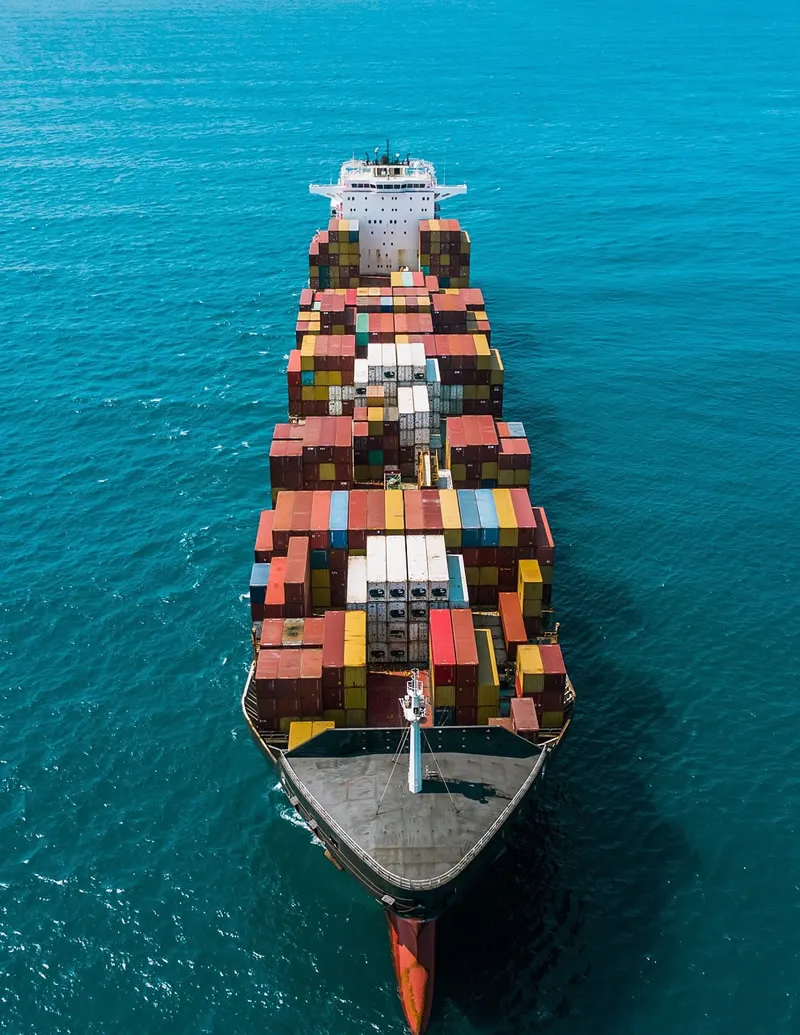
Import and export rights qualification is the "pass" for companies to conduct international trade. Without this qualification, companies cannot independently declare customs, receive and pay foreign exchange, and may even miss valuable business opportunities. It is worth noting that, even if third-party agents are entrusted for import and export, it will increase the company's operating costs in the long run. Mr. Lang clothing company once spent nearly 20% more annually due to relying on agents.
- Independent control of the import and export process
- Reduce enterprise operating costs
- Enhance international market competitiveness
- Enjoy export tax rebate policies
The Complete Process for Applying for Import and Export Rights Qualifications
Applying for import and export rights qualifications is mainly divided into three steps:
Step 1: Industrial and Commercial Change
You need to go to the industrial and commercial department first to add relevant business scope, such as "goods import and export" or "technology import and export." This process usually takes 3-5 working days.
Step 2: Filing with the Ministry of Commerce
After completing the industrial and commercial changes, companies need to submit a filing application to the local competent commerce authority. The required materials include a copy of the business license, a copy of the legal representative's ID card, etc.
Step 3: Registration with Customs and Other Relevant Departments
The final step is to go to customs, the foreign exchange administration, the electronic port, and other departments to handle relevant registration procedures. This is the most complex step, and it is recommended that companies make thorough preparations in advance.
Common Problems and Professional Advice
Many companies encounter various problems during the application process:

- Incomplete materials lead to repeated visits
- Misunderstanding of policies results in rejected applications
- Poor coordination between departments delays the application progress
Precautions After Application
Obtaining the import and export rights qualification is just the first step. Companies also need to pay attention to:
- Timely participation in customs annual inspection
- Standardize import and export business operation processes
- Establish a professional international trade team
- Continuously monitor policy changes
Applying for import and export rights qualifications may seem complicated, but it is not difficult if you grasp the correct methods. Is your company ready to expand into the international market? Welcome to share your experiences or questions in the comment section, and let's discuss the opportunities and challenges on the path to enterprise internationalization together.

Recent Comments (0) 0
Leave a Reply