Mr. Ding runs a small electronics components factory. He recently received an overseas order but had to pay high agency fees because he couldn't handle customs declaration independently. Mr. Ding cross-border e-commerce store has booming sales, but she had to give up large wholesale orders due to a lack of import and export qualifications... Import and export rights, a seemingly distant qualification, may be becoming an invisible threshold for your business growth.
Why Do You Need Import and Export Rights?
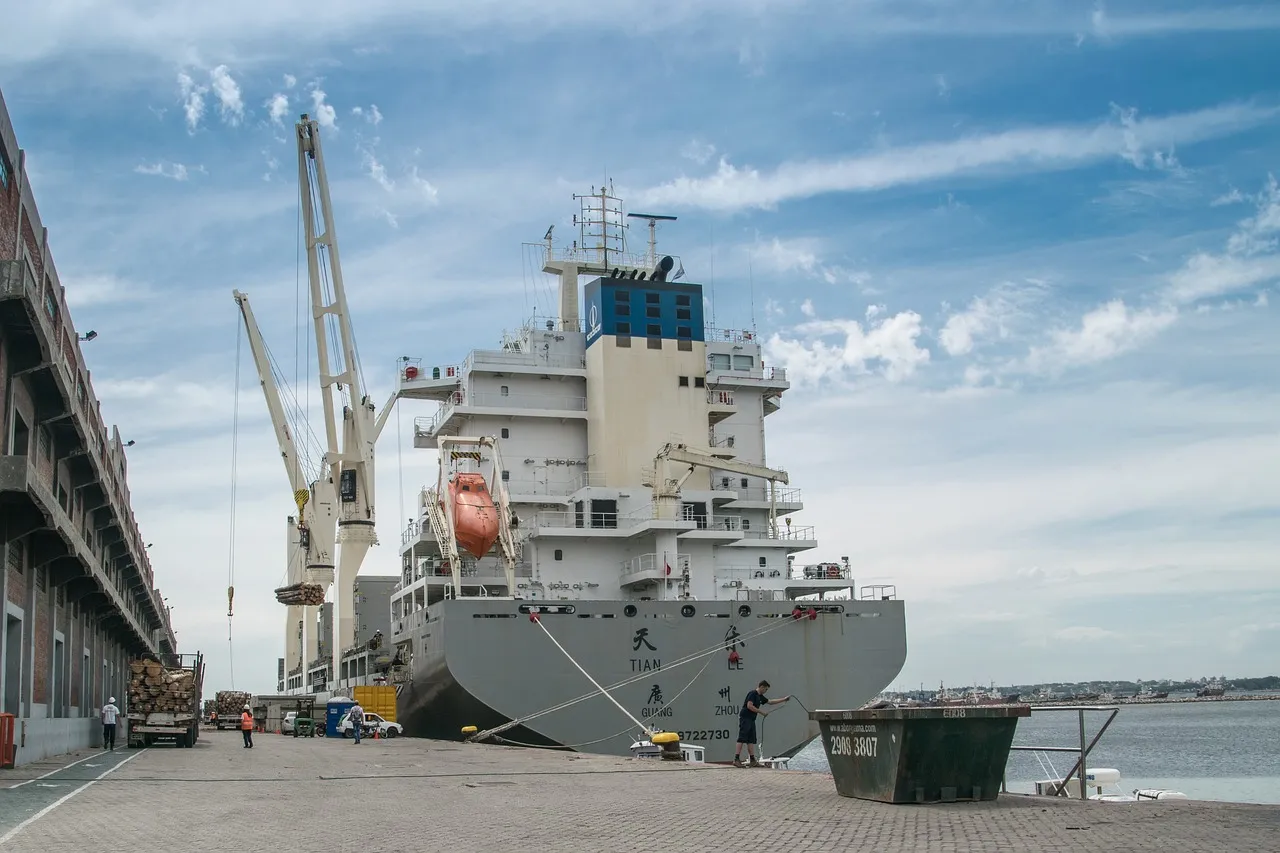
Having import and export rights means that your company can directly trade with overseas customers without going through a third-party agent. According to industry research, independent customs declaration can reduce logistics costs by 15%-30%, while also enjoying policy dividends such as value-added tax refunds. More importantly, it grants your company an "entry ticket" to the international market – shifting from passively receiving orders to actively exploring the global market.
- Cost Advantage: Save agency fees, accelerate customs clearance efficiency
- Qualification Endorsement: Enhance the international credibility of your company
- Policy Dividends: Enjoy preferential policies like export tax rebates
Full Analysis of the Application Process (Taking Zhongmaoda's experience as an example)
Obtaining import and export rights requires a four-step process: "Industrial and Commercial - Customs - Foreign Exchange - Electronic Port":
- Industrial and Commercial Change: Add "Goods Import and Export" to the business scope
- Customs Filing: Obtain a customs consignee and consignor code
- Foreign Exchange Registration: Open a foreign currency account for payment and receipt authority
- Electronic Port Card: Apply for an IC card specifically for customs clearance
Don't Fall into These Traps!
During our service, we found that 90% of clients fall into three common misconceptions:
- Mistakenly believing that only "foreign trade companies" need qualifications (manufacturing enterprises also need them)
- Overlooking the annual reporting obligations to the State Administration of Foreign Exchange
- Failing to update the Electronic Port card in a timely manner, leading to customs clearance delays
Special Reminder: Cross-border e-commerce enterprises also need to separately handle Cross-border E-commerce Enterprise Filing.
Act Now, Seize the Opportunity
With the deepening of international agreements like RCEP, import and export rights are transforming from a "bonus item" to a "must-have." Instead of scrambling when orders arrive, it's better to start preparing now. Zhongmaoda recommends:
- Small and micro enterprises can first obtain basic qualifications
- Growing enterprises are advised to apply for AEO certification concurrently
- Attend regular customs policy training sessions
Is your company ready to embrace the global market? Feel free to share your foreign trade stories in the comments section, or send a private message to get a personalized application plan.

Recent Comments (0) 0
Leave a Reply