"Mr. Xiong recently received an overseas order but his goods were detained for 3 weeks during customs declaration, resulting in a loss of nearly 100,000 yuan..." Such stories are not uncommon in the import and export industry. While the import and export of goods may seem like a simple "buy and sell," it is fraught with hidden complexities. This article will dissect the three core aspects of import and export qualifications, customs clearance process, and tax and fee calculation, guiding you to avoid the practical pitfalls that textbooks won't teach.
I. Qualification Preparation: The Pitfalls of 90% of Newcomers
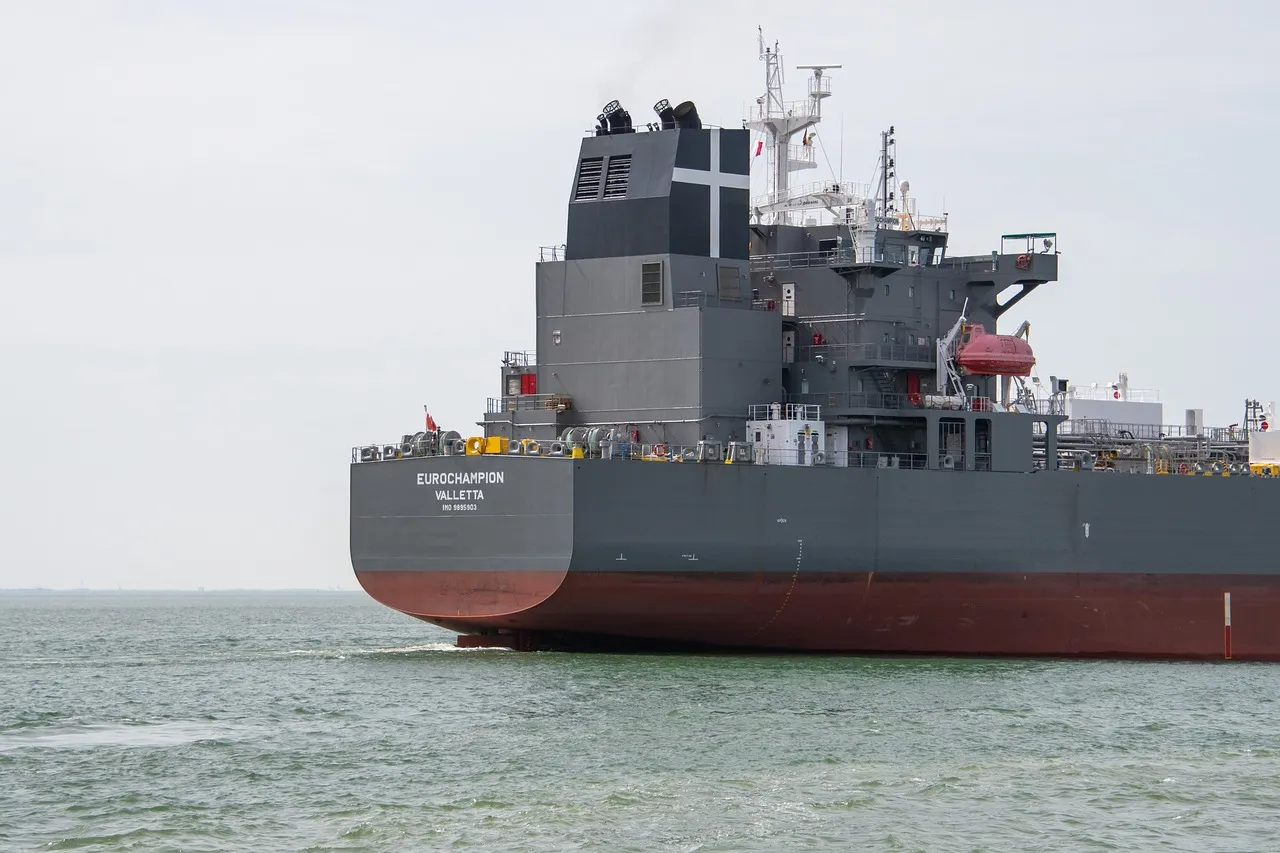
After registering her company last year, Mr. Xiong directly contacted overseas suppliers, only to discover the need for Customs Recordal and Registration when the goods arrived at the port. Import and export qualifications are like a driver's license; driving without one has severe consequences:
- Basic Trio: Business license must include import and export business scope, customs declaration and receipt registration (takes 5 working days), and Electronic Port Card (requires legal representative to apply in person).
- Industry-Specific Permits: Food requires filing with the Food and Drug Administration, while chemicals need a hazardous materials operating license.
- Invisible Threshold: Some goods require a Class B or above export tax refund classification.
II. Customs Clearance Process: 12 Underestimated Key Nodes
A batch of clothing worth 200,000 yuan was delayed in customs clearance due to an incorrect HS code, incurring 30,000 yuan in demurrage fees. Customs clearance is not simply "submitting documents" but a complex collaborative effort:
- Preliminary Preparation: Accurate classification of HS codes (error rate over 40%), confirmation of regulatory conditions (e.g., whether customs inspection is required).
- Declaration Stage: The "brotherhood of documents" - packing list, invoice, and contract - must be logically consistent. A weight difference exceeding 3% will trigger an inspection.
- On-site Inspection: Enterprises with AEO certification can have their inspection rate reduced to 0.9% (compared to about 5% for ordinary enterprises).
III. Cost Control: Those "Invisible" Expenses
Mr. Wang underestimated port miscellaneous fees in his quotation, leading to a 15% erosion of his profit. Import and export costs form a three-dimensional model:
- Visible Costs: Customs duties (the difference between Most Favored Nation tariff rates and general tariff rates can reach 50%), Value-Added Tax (export tax refund up to 13%).
- Hidden Costs: Demurrage fees (approximately 200 yuan per day for a 40-foot container), amendment fees (500-2000 yuan per instance).
- Exchange Rate Fluctuations: Under a 3-month payment term, a 1% fluctuation in the RMB can wipe out all profits.
IV. Practical Advice: 3 Tips from Experienced Customs Brokers
In this field where "details determine success or failure," Manager Zhao, with 20 years of experience, shares:
- Establish a Risk Control Checklist: Create a checklist of error-prone points such as commodity classification and rules of origin.
- Utilize Policy Dividends: Sino-US tariff exclusions, RCEP rules of origin accumulation, etc., can reduce costs by 5-30%.
- Cultivate Compliance Awareness: A single instance of false declaration may lead to being placed on the customs' "watch list."
Import and export trade is like playing chess; one must understand the rules and adapt to changes. Have you encountered unexpected customs clearance challenges? Feel free to share your experiences, perhaps the next case can help a peer in distress.

Recent Comments (0) 0
Leave a Reply