When you pick up a Chilean cherry or a Thai durian at the supermarket, have you ever wondered about the "magical journey" it has been through? From overseas orchards to Chinese shelves, imported fruit customs declaration agents act as invisible guides, using their professional capabilities to crack complex customs clearance codes. Today, we will unveil this crucial link that concerns freshness and efficiency.
Why Are Professional Customs Declaration Agents Needed for Imported Fruits?
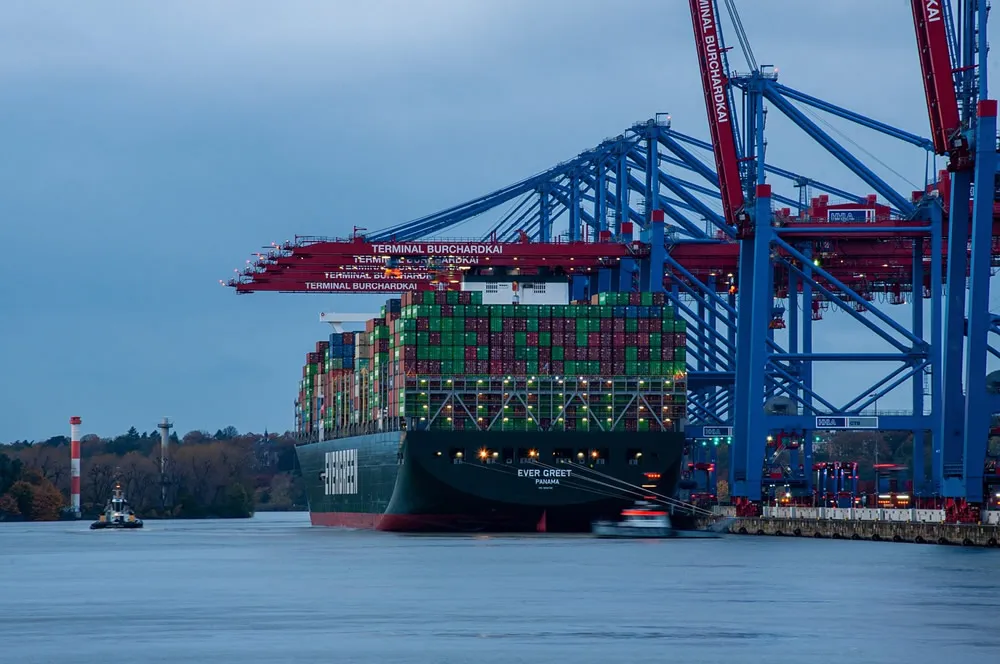
Mr. Jian once attempted to import a batch of Vietnamese mangoes himself but was detained during the quarantine process due to incomplete documentation, ultimately incurring losses of over 100,000 RMB. Similar cases reveal a fact: fruits are goods under key customs supervision, involving over 20 standards including pesticide residue testing, species import permits, and cold chain hygiene. The value of professional agents lies in:
- Risk Mitigation: Proactively anticipating quarantine red lines, such as requiring fumigation certificates for Japanese fruits.
- Cost Savings: Optimally utilizing free trade agreements, for instance, ASEAN fruits can enjoy zero tariffs.
- Efficiency Improvement: Electronic declarations by institutions like Zhongmaidal can compress customs clearance time to 48 hours.
The Three Major Challenges of Fruit Customs Declaration
Mr. Jian Australian orange order almost failed due to these three issues:
- Dynamic Access List: China updates its catalog of permissible imported fruits annually, with Cambodian longan added in 2023.
- Freshness Shelf Life Gamble: Perishable items like strawberries require synchronized coordination of quarantine and cold chain logistics.
- Document Labyrinth: Certificates of origin, phytosanitary certificates, and health certificates are all indispensable.
Professional agents establish full-process tracking systems, initiating pre-approval of documents and booking inspections even before vessels dock.
Five Golden Rules for Choosing a Customs Declaration Agent
Facing a myriad of service providers on the market, remember these screening principles:
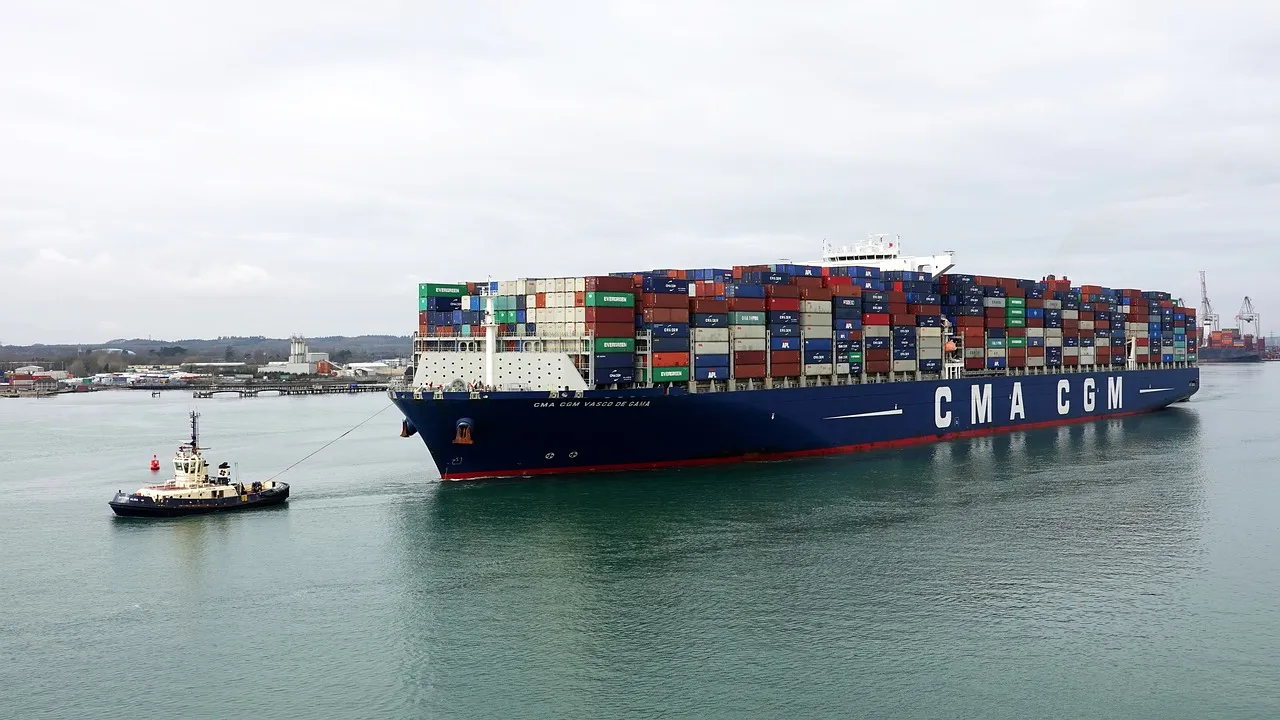
- Check if they possess AEO certification for fresh agricultural product customs declaration.
- Inquire about past cases, especially experience with similar fruit categories.
- Confirm the availability of dedicated cold chain customs clearance channels.
- Verify emergency response plans, such as assistance with returns if quarantine is not met.
- Compare service transparency and reject hidden fees.
Institutions like Zhongmaidal also provide compliance pre-audit services, conducting risk screening before overseas shipment.
Future Trends: Transformation Driven by Digitalization
With the application of blockchain traceability technology, scanning a QR code on the fruit packaging now allows for viewing a complete record of the customs declaration process. Smart customs declaration systems can also achieve:
- Automatic matching of optimal tariff plans.
- Real-time tracking of cargo customs clearance status.
- Big data alerts on the latest changes in quarantine policies.
This is not just an improvement in efficiency but also a reshaping of the transparency of the entire industry.
Is Your Fruit Import Plan Ready?
Next time you savor imported fruit, consider the race against time behind it. Both traders and consumers can make more rational choices with an understanding of the customs declaration process. If you are planning to import fruits, feel free to share the aspects you are most concerned about in the comments, or consult professional agents for personalized solutions—after all, freshness and compliance have never been a single-choice question.

Recent Comments (0) 0
Leave a Reply