At 11 PM, Mr. Qi stared at the customs data on his computer screen, lost in thought—200 cases of French Cru Bourgeois wine imported last month still had 60 cases accumulating in the warehouse. This was already his third misjudgment this year. The seemingly glamorous business of imported wine distribution was far from as elegant and leisurely as the tasting events flaunted on social media.
I. Essential Preparations Before Entering the Industry
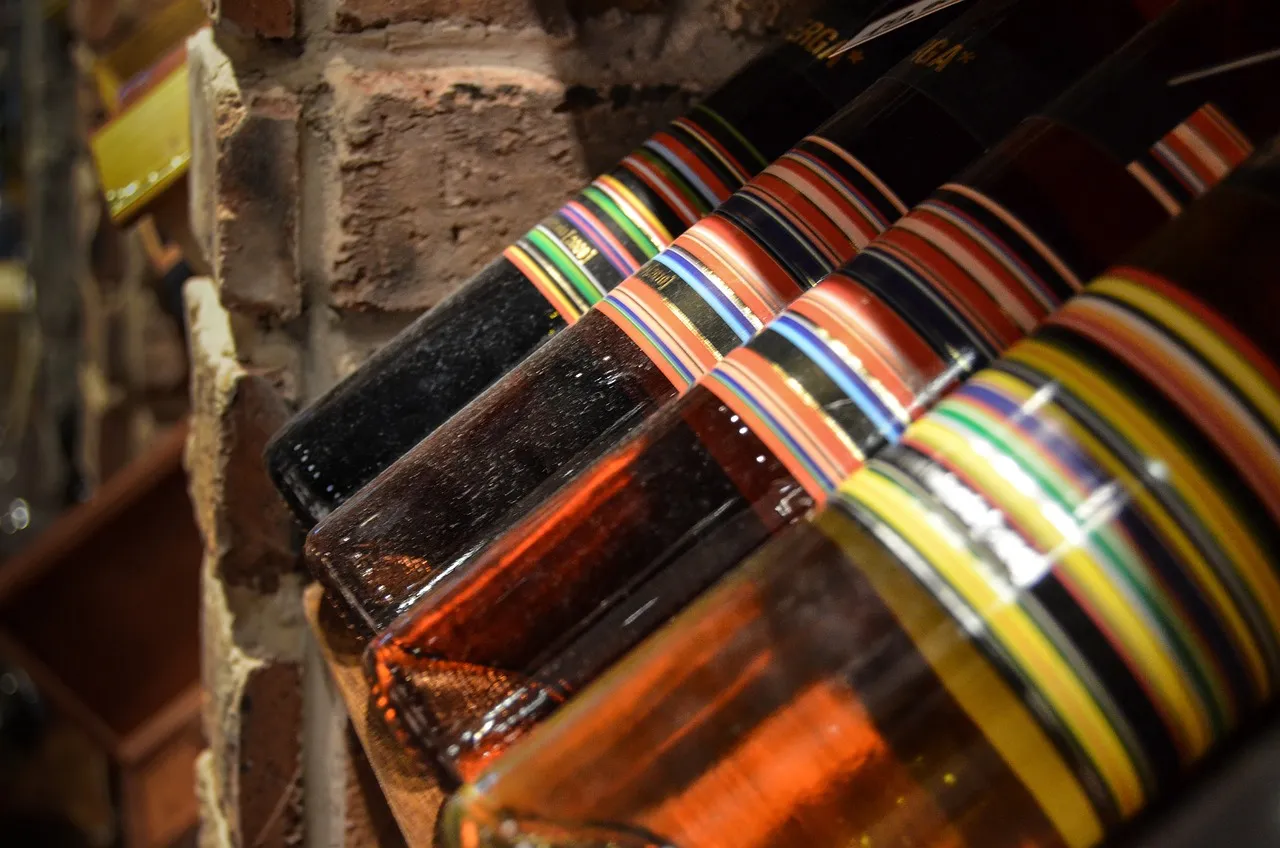
Product Selection Strategy Determines Success or Failure. A common mistake newcomers make is blindly pursuing famous estate wines, unaware that top-tier wines like Lafite and Margaux are already monopolized by giants. It is recommended to enter from three types of potential markets:
- Value-for-money wines from New World regions (Chile, Australia)
- Specialty regions outside Bordeaux, France (e.g., Loire Valley)
- Niche concept products such as organic/biodynamic wines
II. Core Elements of Supply Chain Establishment
After three years of navigating all pitfalls, Mr. Qi summarized three golden rules:
- Reserve at least 3 direct sourcing channels from overseas wineries to avoid being squeezed by intermediaries
- Customs registration should be prepared 6 months in advance, especially documents like health certificates
- Cold chain transportation must purchase full coverage insurance; a single container temperature control failure once cost her 170,000 yuan
III. Breakthrough Points for Localized Operations
An agent in a provincial capital city achieved a 200% annual growth through scenario-based marketing:
- Collaborating with high-end bed and breakfasts to create "wine-themed rooms"
- Customizing exclusive wine labels with company logos for corporate clients
- Hosting "Wine Investment Salons" to attract high-net-worth clients
IV. Industry Reefs to Be Wary Of

The 2023 industry report shows that 37% of new entrants exited within 18 months, mainly due to:
- Underestimating 20-35% of hidden costs (tariff fluctuations, storage losses, etc.)
- Failure to obtain essential qualifications such as food business licenses
- Slow reaction to market trends (e.g., sharp decline in demand for sweet wines)
V. Opportunity Window for the Next Three Years
As Generation Z becomes the main consumer force, three new directions worth noting have emerged:
- Wines with "social attributes" in the 250-400 yuan price range
- Ready-to-drink products in single-serve nitrogen-preserved packaging
- Digital wine certificate business with blockchain traceability
In the cellar at 2 AM, decanters reflected amber light. This industry, which requires understanding supply chains, marketing, and culture simultaneously, is currently weeding out players who only want to make quick money. How long are you prepared to invest to build your own imported wine business empire? Feel free to share your industry observations in the comments section.

Recent Comments (0) 0
Leave a Reply