In the steel market late at night, Mr. Xing frowned as he stared at the quotation on his computer screen—the same 304 stainless steel pipe had quotes differing by 2000 RMB per ton from different agents. "How deep are the waters of imported steel pipes?" This is not only Mr. Xing confusion but also a common problem faced by many buyers. Today, let's uncover the secrets behind the prices of imported steel pipe agents in Changping District.
Triple Variables of Imported Steel Pipe Prices
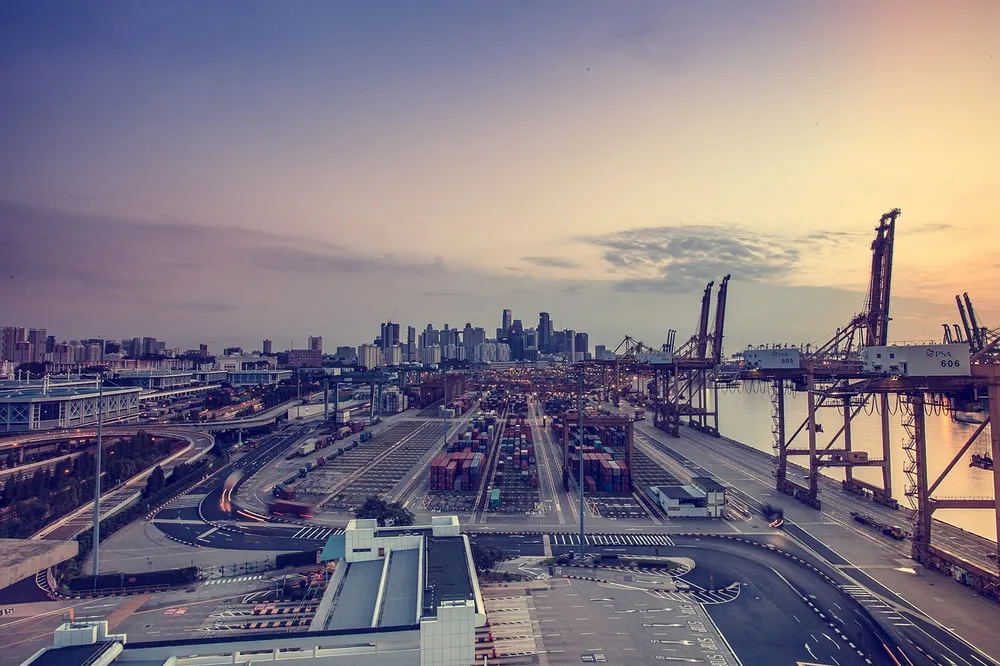
In the Changping District steel market, differences in imported steel pipe agent quotes primarily stem from three core factors:
- Origin Premium: Japanese and Korean precision steel pipes are 15%-20% more expensive than Southeast Asian products
- Certification Costs: International certifications like API/EN can increase prices by 8%-12%
- Logistics Efficiency: Fast sea shipping costs 30% more than slow shipping, but saves 20 days of inventory costs
A Zhongmaoda supply chain expert revealed: "There was once a client who chose uncertified products to save 5% on procurement costs, but ultimately, due to substandard quality, the project was delayed, and losses expanded tenfold instead."
The 'Tricky' List of Agent Fees
Mr. Xing recently compiled price comparison table shows that hidden fees from different agents amount to as many as 7 items:
- Customs Declaration Service Fee (0.3%-1.2% of contract value)
- Letter of Credit Issuance Fee (1.5‰-3‰)
- Storage Grading Fee (Class A warehouse costs 8 RMB/㎡/day more than a regular warehouse)
It is worth noting, some agents create a false impression of low prices by splitting up quotes, while the actual total cost might be 18% higher than agents offering transparent quotes.
2024 Market Forecast and Procurement Advice
Combining LME nickel price trends and changes in the shipping index, industry insiders predict:
- Japanese stainless steel pipes might see a 5%-8% price increase in Q3
- German precision tubes may have a 3%-5% price reduction potential due to the euro's depreciation
- Tariff adjustments for Vietnamese products will affect the cost of goods arriving after July
Buyers are advised to adopt a '3+2+1' strategy: 3 price comparisons, a combination of 2 payment methods, and reserving a 1-month buffer period. Data from Zhongmaoda's marketing department shows that companies using this strategy save an average of 11.7% on procurement costs.
Your Steel Pipe Procurement Experience Deserves to Be Seen
Next time you receive an imported steel pipe quote, consider asking these three questions first: Does it include all certification documents? Can an original steel mill invoice be provided? Do they accept third-party quality inspection? Feel free to share your procurement stories in the comment section; perhaps one of your experiences can help others avoid traps worth millions. After all, in this market with information asymmetry, real experience is more valuable than any advertisement.

Recent Comments (0) 0
Leave a Reply