Hey friends! In today's globalized business wave, a trade model is quietly playing a vital role: inbound re-export trade. You might have heard of re-export trade, but how much do you know about the inbound aspect? Today, let's thoroughly explore inbound re-export trade and unveil its mysteries.
I. What is Inbound Re-export Trade?
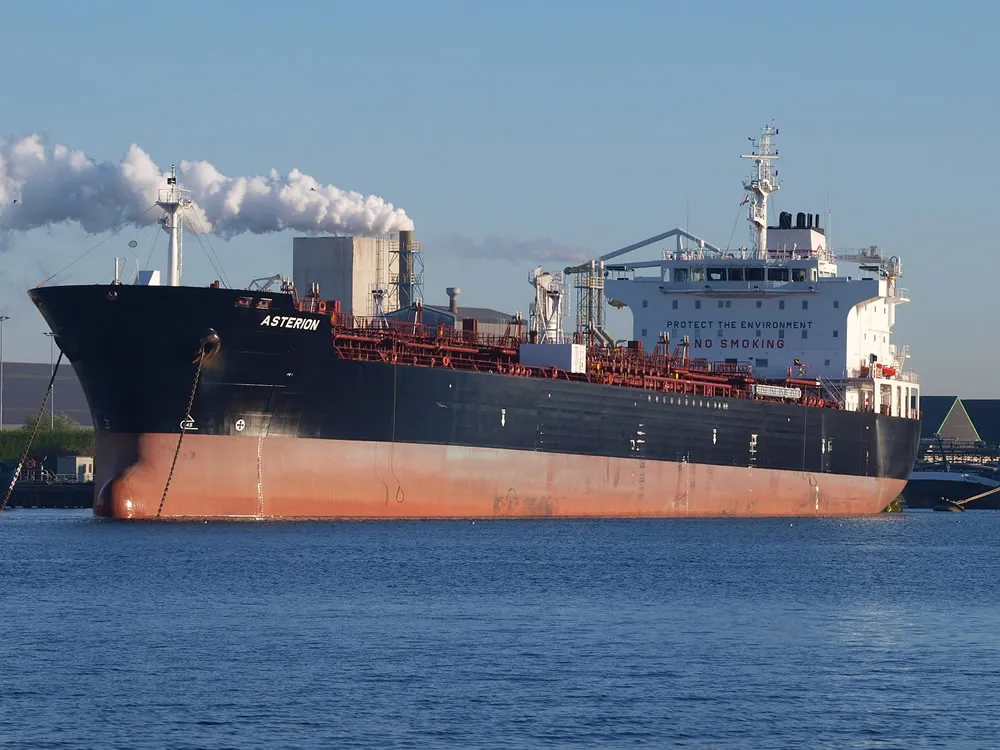
Simply put, inbound re-export trade is a trade method where goods first enter the territory of a country and are then re-exported to other countries or regions for sale without undergoing substantial processing that changes their state. For instance, a batch of electronic products produced in Country A is first shipped here (i.e., inbound) but not for sale in the domestic market. Instead, after a series of logistics, customs declarations, and other procedures, they are shipped to Country B for sale. In this scenario, "here" serves as a "transit station."
II. Advantages of Inbound Re-export Trade
- For traders, it allows them to leverage differences in trade policies among various countries or regions to secure greater profit margins. For instance, some countries have lower import tariffs on certain goods. Through re-export trade, businesses can reduce costs and boost revenue while adhering to relevant regulations.
- From a market expansion perspective, it enables businesses to enter markets that were previously challenging to penetrate more conveniently. For example, in a re-export trade facilitated by Zhongmaoda, by first bringing goods inbound and then re-exporting them, they successfully circumvented some cumbersome market entry restrictions in the target market, smoothly introducing products to new customer groups.
- Furthermore, it can disperse trade risks to some extent. When unstable factors emerge in a particular market, such as economic fluctuations or policy changes, re-export trade allows for flexible adjustment of cargo flow, preventing all "eggs" from being put in one basket.
III. Challenges Faced by Inbound Re-export Trade
Of course, inbound re-export trade is not always smooth sailing. The primary challenge lies in logistics. Ensuring that goods can be efficiently and accurately transshipped out after inbound entry places high demands on logistics organization and coordination capabilities. Any logistics delays could impact the entire trade process, not only increasing costs but also potentially leading to customer attrition.
Furthermore, there are challenges related to customs declarations and other procedures. Different countries have varying customs regulations for re-export trade. Strict adherence to relevant requirements is crucial, as even a minor oversight can lead to penalties like fines. Moreover, while ensuring compliance with domestic regulations, the requirements of the destination country must also be taken into account, the complexity of which is self-evident.
IV. How to Succeed in Inbound Re-export Trade?
To achieve success in the field of inbound re-export trade, a professional team is indispensable. This team must be proficient in international trade rules, logistics operations, customs declarations, and other related businesses. Just like Zhongmaoda, having an experienced professional team enables them to accurately manage every stage in a complex trade environment, ensuring the smooth progress of trade.
Furthermore, establishing robust information channels is crucial. It is essential to stay informed about policy changes, market dynamics, and other relevant information from various countries to react quickly and adjust trade strategies. Only by doing so can one navigate the vast landscape of inbound re-export trade with ease.
In conclusion, inbound re-export trade, as a specific model within international trade, possesses unique advantages while also presenting numerous challenges. For businesses and individuals looking to venture into this field, a deep understanding of its operating mechanisms and thorough preparation are essential to navigate this trade path more steadily and successfully. Feel free to discuss: what other questions or insights do you have about inbound re-export trade?

Recent Comments (0) 0
Leave a Reply