In today's era of globalization, the import of industrial equipment has become a focal point for numerous manufacturing enterprises. Imagine a traditional factory, by introducing advanced industrial equipment, instantly achieving a substantial increase in production efficiency and reaching new heights in product quality. This is the immense potential embedded in the import of industrial equipment. Today, let us delve into the ins and outs of industrial equipment import together.
I. Advantages of Importing Industrial Equipment
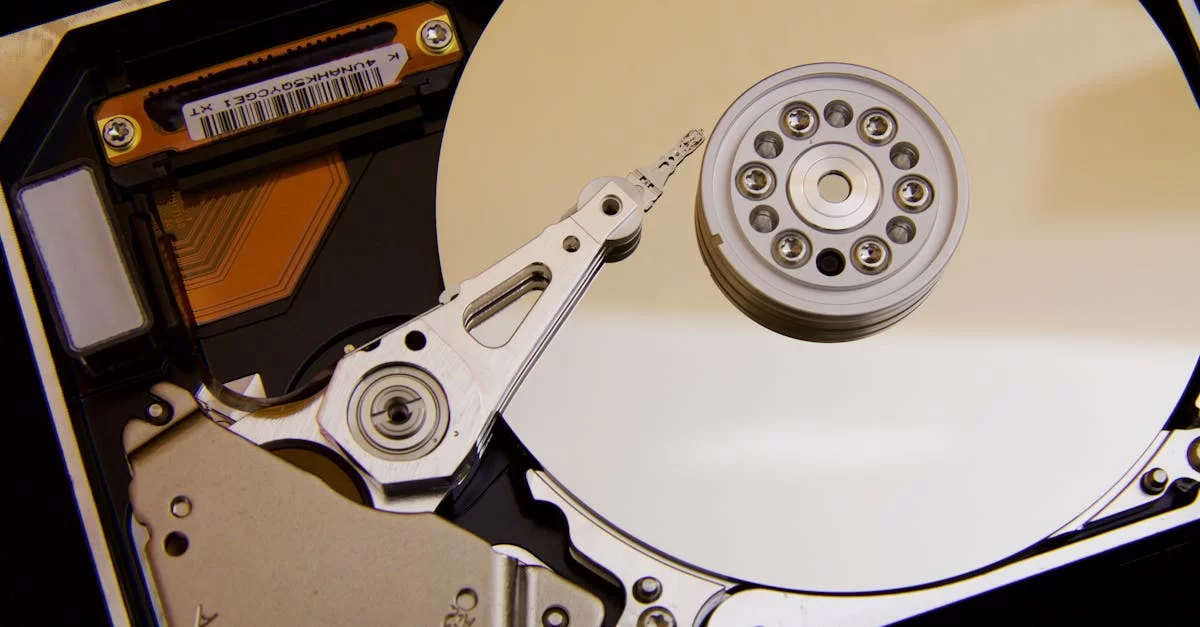
Enhancing Production Efficiency: Advanced industrial equipment often possesses a higher degree of automation and more precise operational performance. Just like an imported high-precision CNC machine tool, it can complete the processing of complex components in a shorter time with minimal error, which undoubtedly significantly shortens the product production cycle and improves the overall production efficiency of the enterprise.
Ensuring Product Quality: Many imported industrial equipment utilizes cutting-edge technology and high-quality materials, ensuring superior product quality. For instance, some imported equipment used in the manufacturing of electronic components can guarantee that the performance of the manufactured electronic components is more stable and reliable, thereby enhancing the quality of the final products.
Driving Technological Innovation: The introduction of advanced foreign industrial equipment also allows the enterprise's technical personnel to be exposed to the latest technological concepts and operating modes. Through the research and application of these equipment, enterprises can innovate their technology on this basis and develop more competitive products and production processes.
II. Challenges Faced in Importing Industrial Equipment
High Costs: Imported industrial equipment is typically expensive. Besides the purchase price of the equipment itself, there are also costs related to transportation, insurance, and tariffs. This represents a considerable expense for many enterprises and may put some pressure on their cash flow.
Technical Adaptability: Foreign industrial equipment is developed based on their domestic production environments and technical standards. Upon being imported into China, it may not be compatible with the existing domestic production systems, personnel's technical skill levels, and other factors. For example, the operating interfaces of some equipment are in English, which may present a language barrier for some domestic operators, affecting the normal use of the equipment.
After-Sales Service Difficulties: Due to factors such as distance, after-sales service for imported industrial equipment is often relatively delayed. Once the equipment malfunctions, professional repair and technical support may not be available in a timely manner, which can significantly impact the enterprise's production.
III. Countermeasures
To address the issue of high costs, enterprises can alleviate financial pressure by reasonably planning their finances and seeking relevant government support policies. For example, some regions offer special subsidy policies for enterprises importing advanced industrial equipment, and enterprises should make good use of these policy benefits.
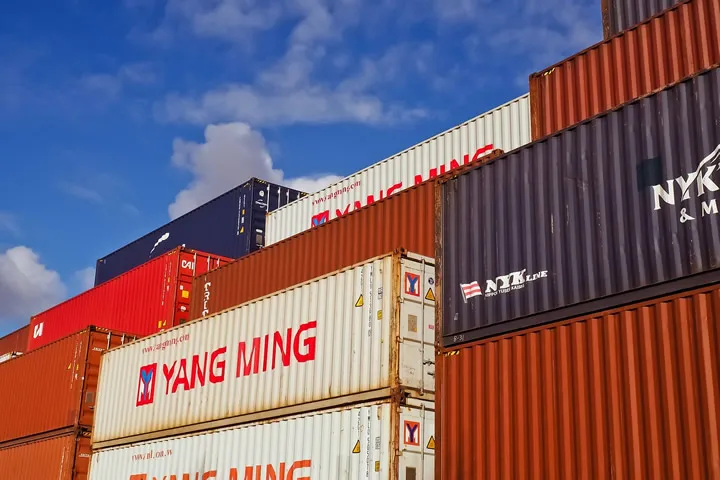
Regarding technical adaptability, enterprises should conduct thorough research and evaluation before importing equipment to ensure it can be integrated with their own production systems. Simultaneously, technical personnel can be arranged for relevant training in advance to better master the operation and maintenance techniques of the equipment.
In terms of after-sales service, enterprises can choose to cooperate with professional third-party service organizations or negotiate comprehensive after-sales service agreements with equipment suppliers, clearly defining the responsibilities and obligations of both parties to ensure timely and effective resolution of equipment failures.
IV. Zhongmaoda's Assistance in Industrial Equipment Import
As an organization with rich experience in the import of industrial equipment, Zhongmaoda can provide enterprises with comprehensive services. From professional advice on equipment selection to efficient handling of import procedures, and subsequent installation, debugging, and after-sales service coordination, Zhongmaoda can, with its professional team and robust service system, help enterprises successfully complete their industrial equipment import work, allowing enterprises to fully enjoy the advantages of imported equipment while effectively addressing various challenges.
The import of industrial equipment is both an opportunity and a challenge for manufacturing enterprises. Only by fully understanding the pros and cons and taking effective countermeasures can enterprises truly leverage the power of imported industrial equipment to drive their own development and that of the entire industry. Dear readers, do your companies also have plans for importing industrial equipment? Welcome to leave your thoughts and experiences in the comment section.

Recent Comments (0) 0
Leave a Reply