"Mr. Cong has been having a headache lately – his 200,000 RMB worth of ink goods have been stuck at customs for two whole weeks, simply because of an incorrect ingredient labeling on the customs declaration form." Such scenarios are not uncommon in the ink export industry. As a special category of chemical products, ink export customs declaration is far more complex than that of ordinary goods. This article will reveal the core difficulties and professional solutions for ink export customs declaration.
Why is Ink Export Customs Declaration So Special?
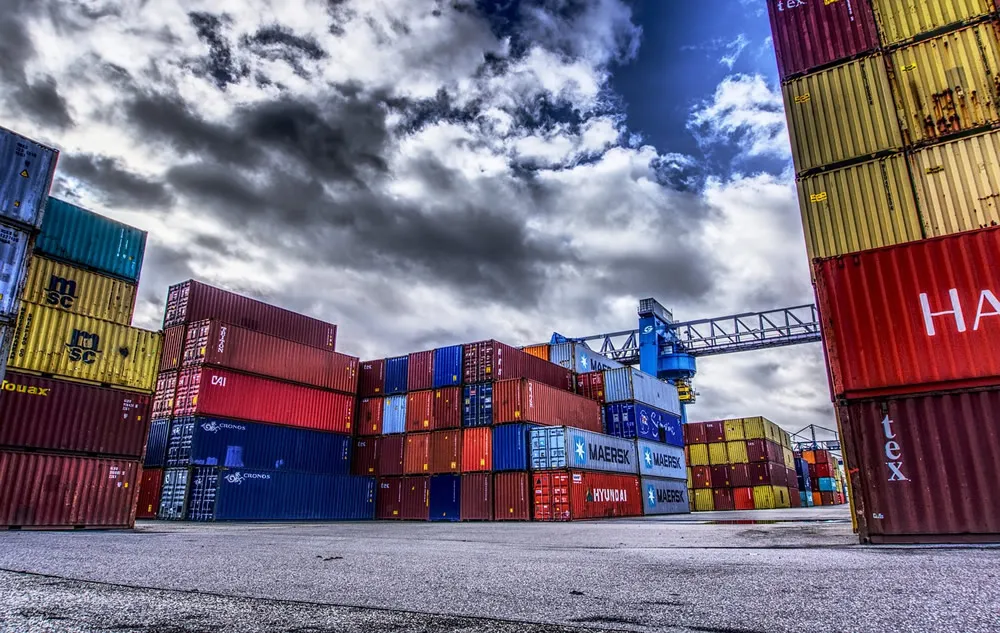
As a chemical product, ink's specialty is mainly reflected in three aspects:
- Complex composition: Contains resins, solvents, pigments, etc., with different components corresponding to different HS codes
- Strict regulation: Involves multiple reviews such as hazardous goods classification and environmental standards
- Dynamic changes: Regulations in various countries are updated annually, such as the latest revised version of the EU REACH regulation
Mr. Cong case is a typical example: her exported UV ink was returned in its entirety by the customs of the destination country because the photoinitiator ingredient was not declared, resulting in a loss of over 150,000 RMB.
Four Core Values of Professional Agency Companies
Professional organizations like Zhongmaoda help exporting enterprises mitigate risks through the following services:
- Accurate classification: Matching over 200 HS codes based on ink types (water-based/solvent-based/energy-curable)
- Document optimization: 12 essential documents such as MSDS (Material Safety Data Sheet) and hazardous properties classification identification reports
- Compliance pre-screening: Proactively identifying restricted substances like phthalates
- Emergency channels: Customs inspection response time can be shortened to 2 hours
Three Questions You Must Ask When Choosing a Service Provider
To avoid encountering unprofessional agents, it is recommended to focus on:

- Whether they possess qualifications for chemical hazardous properties identification (CMA certification must be checked)
- Whether they have local customs clearance cases in the target market (e.g., for Southeast Asia, halal certification needs attention)
- Whether they can provide full traceability services (end-to-end tracking from factory to port)
Future Trends: Opportunities in Digital Customs Declaration
With global customs digitization, intelligent customs declaration systems are changing the industry:
- Through AI automatically identifying formulation risks (accuracy up to 92%)
- Blockchain technology ensuring tamper-proof documents
- Big data predicting policy changes in various countries
After adopting an intelligent system, a certain enterprise shortened customs declaration time from 5 days to 8 hours and reduced the error rate by 70%.
Has Your Ink Export Ever Stepped Into These "Pits"?
Whether it's an oversight in ingredient declaration or an expired certificate, every lesson is worth sharing. Feel free to leave your experiences in the comment section or send a private message to get the latest international ink import standards manual. In the next issue, we will elaborate on the 5 major misconceptions about hazardous ink transportation, so stay tuned!

Recent Comments (0) 0
Leave a Reply