At a late-night wine tasting, Mr. Kang gently swirled the Bordeaux glass in his hand. The amber liquid shimmered with an alluring luster under the light. "This bottle can sell for 3000 yuan domestically, while my purchase price is only 500," he said in a low voice, "Do you want to know how I did it?"
Why is now the best time to enter?
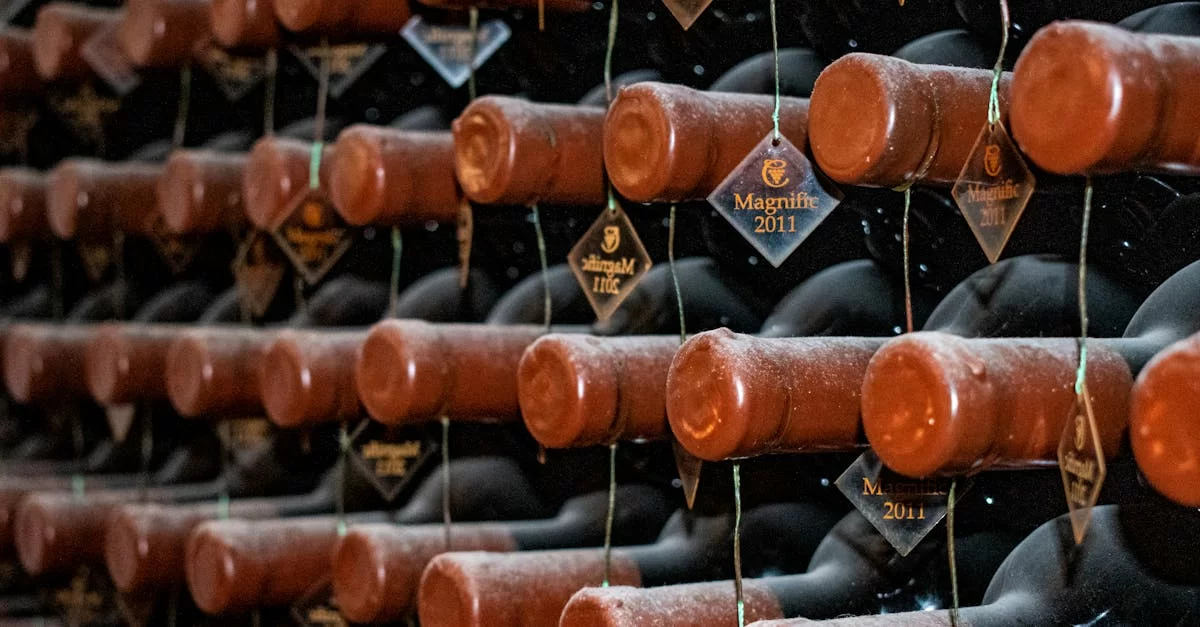
China's red wine market maintains an annual growth rate of over 15%, and the share of imported red wine has exceeded 40%. Consumption upgrading of the middle class has made red wines in the 200-800 yuan price range per bottle a new growth point. Mr. Kang is a typical example; her agency's niche Italian winery products achieved annual sales exceeding 5 million in second-tier cities.
- Consumption upgrading: Per capita wine consumption is only 1/3 of the global average
- Channel transformation: The proportion of traditional tobacco and liquor stores is declining, and new retail channels are rising
- Information transparency: Consumers are more willing to pay for professional endorsement
Avoid these "fatal traps"
Mr. Wang once imported 3 containers of low-end table wine, which has been accumulating stock to this day. Three common mistakes made by novices:
- Blindly pursuing low prices: Quality is the core of repurchase rate
- Neglecting storage conditions: Constant temperature and humidity warehouses are essential
- Skipping market testing: Small-batch trial sales are always the safest
Practical Strategy: The Breakthrough Path from 0 to 1
The first step is to solve "product selection anxiety." Is French Bordeaux too saturated? Try Georgian qvevri wine. Are Italian wine labels difficult to understand? Focus on single-varietal Montepulciano.
Three dimensions to establish a differentiated advantage:
- Storytelling: Unearthing winery history or winemaker legends
- Contextualization: Matching specific needs such as wedding banquets and business events
- Experience: Regularly organizing offline events like blind tastings
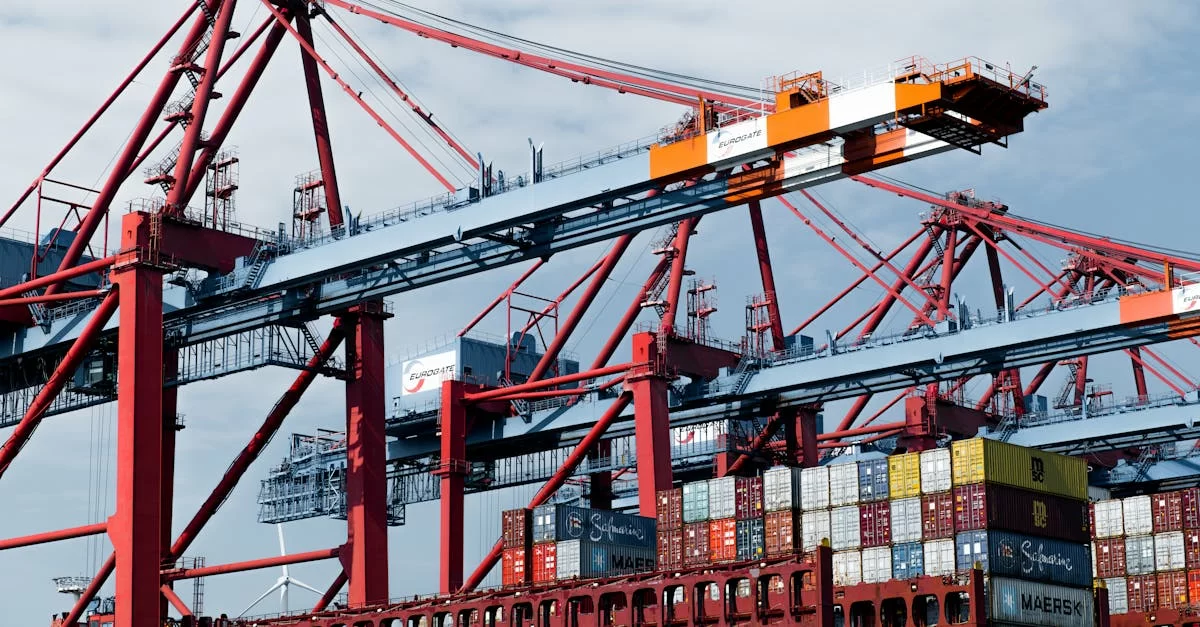
Your first pot of gold is hidden in customs codes
The most easily overlooked profit point lies in: Preferential tariff policies. Chilean red wine has zero tariffs, Australia's tariffs are decreasing year by year, and New Zealand Sauvignon Blanc's tariff rate is 7% lower than its French counterpart. These numerical differences might be your core competitiveness.
Mr. Kang business philosophy: "I specialize in representing Thai red wine from the China-ASEAN Free Trade Area. The tariff advantage allows my retail price to be 20% lower than competitors, and I opened up the South China market in half a year."
Now, it's your turn
When you pause in front of supermarket shelves, what you see is not just price tags, but also wealth codes waiting to be unlocked. In the game of imported red wine agency, the entry ticket might be more accessible than you imagine—the key is, are you ready to use professional knowledge and business acumen to realize the value of this "liquid gold"?
Share your wine story in the comments section; the reader with the most likes will receive an e-version of the global major wine regions' tariff guide. This double feast of taste and wealth perhaps begins at this moment.

Recent Comments (0) 0
Leave a Reply