Mr. Bai recently encountered a frustrating situation: a batch of export toys worth 200,000 yuan was returned by overseas customers due to damaged packaging. This could have all been avoided with a professional export inspection agent service. In international trade, 3 out of every 10 shipments face claims due to quality issues – are you risking your company's reputation with wishful thinking?
Inspection Agents: The "Gatekeepers" of International Trade
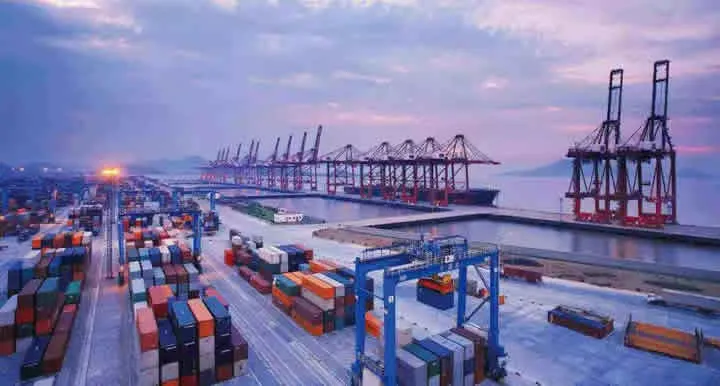
When Mr. Bai garment factory received its first European order, she noticed the customer's contract explicitly stated a requirement for a third-party inspection report. Behind this lies the common logic of international buyers: let professionals handle professional matters. Inspection agencies are like the VAR system in a soccer match, providing irrefutable quality evidence for both parties through standardized processes.
- Pre-shipment Inspection: Verifies product specifications, quantity, packaging, and other basic items.
- In-process Inspection: Intercepts quality issues at critical production stages.
- Laboratory Testing: Conducts professional tests on material composition, physical properties, etc.
The Hidden Value of Inspection Agents
A cross-border e-commerce seller once calculated that paying a 2,000 yuan inspection fee to intercept problematic goods avoided 80,000 yuan in losses from unsalable inventory in overseas warehouses. More importantly, inspection reports issued by agencies like Zhongmaoda can serve as negotiation leverage. In case of disputes, these documents bearing CNAS accreditation marks can often help companies reduce claim amounts by over 50%.
It is worth noting that different markets have differentiated inspection standards:
- European and American markets focus on product safety and compliance documents.
- Middle Eastern regions pay more attention to appearance and religious taboos.
- Japanese and Korean clients have extremely stringent requirements for dimensional tolerances.
Three Major Pitfalls in Choosing an Inspection Agent
Manager Wang's lesson is worth heeding: the low-cost inspection agency he chose used mobile phone photos instead of professional testing equipment. Such "shadow services" are common among:
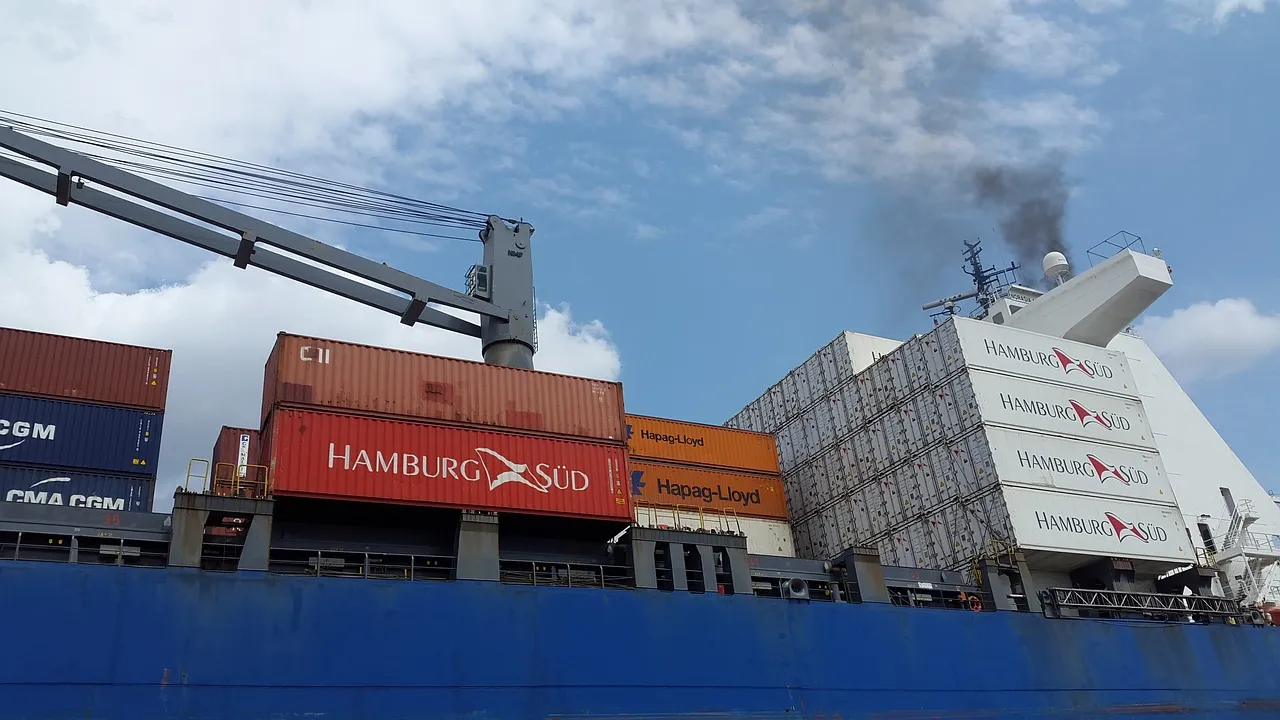
- Agencies claiming "100% pass rate" (normal pass rates should be between 70%-85%).
- Suppliers unable to provide detailed inspection criteria.
- Inspection reports lacking international certification marks.
Legitimate agencies will clearly state: inspection is not a quality insurance, but a risk early warning system. Just as a physical exam report cannot guarantee you won't get sick, it can inform you about potential health risks.
The Future is Here: The New Trend of Digital Inspection
In a Shenzhen electronics factory, inspectors are using AR glasses to synchronize testing data with overseas clients in real-time. The application of blockchain technology has further transformed inspection reports from "forgeable" to "traceable." These innovations are reshaping the industry: inspection processes that once took 3 days are now compressed to 6 hours.
When you type "export inspection agent" into a search engine, it's worth asking an extra question: can this agency provide inspection photos with GPS timestamps? Do they have a cloud data management system? Because this could determine whether your goods are smoothly received or held up at the destination port customs.
Action is More Important Than Cognition
After reading this article, you can:
- Immediately check the inspection records of your most recent export shipment.
- Save universal international inspection standards (such as AQL sampling tables).
- Share with colleagues in the purchasing department for joint learning.
After all, in the uncertain world of international trade, professional inspection is one of the few means to control risks at the front end. For your next shipment, who are you going to designate as this "quality gatekeeper"?

Recent Comments (0) 0
Leave a Reply