Mr. Bi recently discovered a peculiar phenomenon: when importing a batch of precision instruments from Europe, his neighboring company received their goods two weeks earlier and paid 15% less in tariffs. When he couldn't help but ask their procurement director, he received only three meaningful words – "Find an agent." What business logic lies behind this? Today, we will dissect this efficiency-boosting tool that is overlooked by 90% of importers.
The Essence of Agency Import: Professional Matters to Professionals
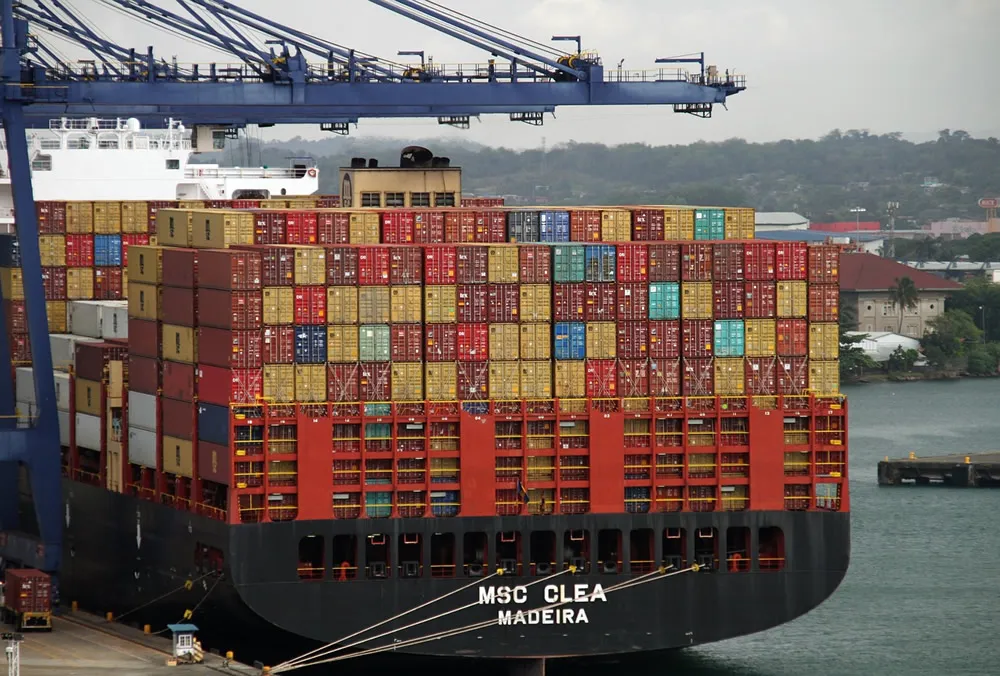
Compared to self-importation, agency import is more like hiring a 24/7 on-call international trade special forces unit. Professional organizations like Zhongmaoda leverage years of accumulated:
- AEO Advanced Certification Qualification from Customs
- Customs clearance network covering over 200 global ports
- Database for classifying bulk commodities
Mr. Bi cosmetics company, through an agency, compressed the original 3-month registration period to 45 days and avoided a 300,000 yuan penalty risk due to non-compliant ingredient labeling.
Optimal Solutions in Three Scenarios
Scenario 1: "Asset-Light" Strategy for SMEs
Startups can avoid building their own import-export departments. Agencies can provide end-to-end services from letter of credit issuance to terminal distribution, directly reducing labor costs by 60%.
Scenario 2: "Compliance Buffer" for Special Goods
For highly regulated categories such as medical devices and food, the agency's pre-inspection system can preemptively intercept 90% of declaration errors. A biological reagent importer thus avoided the return of goods valued at tens of millions.
Scenario 3: "Legal Shortcut" for Tariff Optimization
By utilizing free trade agreement rules of origin, an agency helped Mr. Wang's wine trading company, through transit via Malaysia, reduce the comprehensive tariff rate from 48% to 5.6%.
Five Golden Standards for Choosing an Agent
- Review customs clearance records for similar goods in the past three years
- Confirm qualification for applying provisional duty rates
- Examine crisis management cases (e.g., response plan when customs inspection rate surges by 20%)
- Verify the security of the payment chain (third-party fund escrow is recommended)
- Evaluate value-added services (e.g., including international logistics insurance, foreign exchange hedging)
When you are debating between self-operation or agency in the boardroom, ask yourself: Do we really need to pay the "learning cost" repeatedly for every shipment? Welcome to share your import stories in the comments section. The reader with the most likes will receive a customized solution diagnosis from Zhongmaoda's expert team.

Recent Comments (0) 0
Leave a Reply