On the grand stage of international trade, re-export trade is like a complex and exquisite "goods relay race." It sounds profound and mysterious, but it's not difficult to understand if broken down in a simple way. Today, let's unveil the mysterious veil of re-export trade together.
What is Re-export Trade?
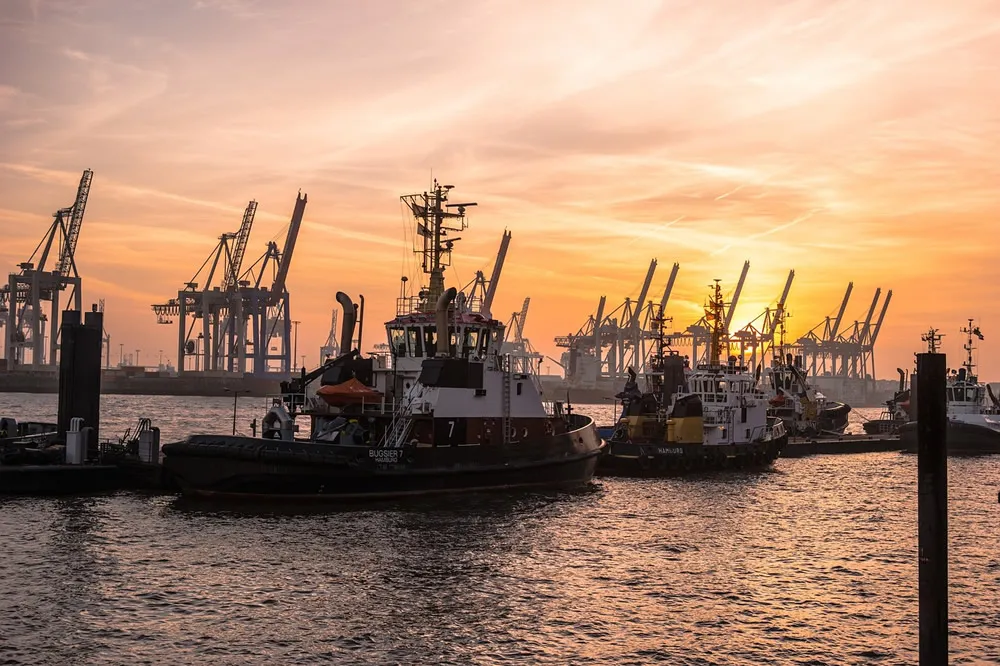
Simply put, re-export trade means that after goods are produced, they are not directly shipped from the country of production to the country of consumption. Instead, they are first transported to a third country where some operations are performed, such as storage and repackaging, and then shipped to the final consuming country. For example, Mr. Ling factory produces a batch of distinctive ceramic products in Country A, and the main market for these products is Country C. However, Mr. Ling does not directly ship the goods from Country A to Country C. Instead, he first transports the goods to Country B, which has a superior geographical location and favorable trade policies. The goods stay briefly in a warehouse in Country B, are repackaged, labeled to meet the preferences of the market in Country C, and then shipped to Country C. Here, Country B plays the role of a third party in re-export trade.
Why Does Re-export Trade Exist?
The existence of re-export trade is driven by multiple reasons. First are the factors of trade barriers. Some countries may have trade barriers such as high tariffs and quota restrictions. For instance, Country A imposes high tariffs on certain products from Country C, but lower tariffs on similar products from Country B. In this case, enterprises in Country C can first export their goods to Country B, and after certain processing, export them to Country A under the name of products from Country B, thereby reducing tariff costs.
Secondly, it is for the consideration of logistics and resource allocation. Some countries have unique geographical locations and are significant transportation hubs, such as Singapore. Many goods are first transported to Singapore for transshipment, utilizing its efficient port facilities and comprehensive logistics system to be re-integrated and dispatched to various parts of the world, thereby improving transportation efficiency and reducing logistics costs.
Operational Process of Re-export Trade
Taking the re-export trade engaged in by Mr. Ling as an example. After receiving an order from a customer in Country C, Mr. Ling contacts a supplier in Country A to procure goods. Once the goods are produced, they are transported to a bonded warehouse in Country B. In Country B, Mr. Ling arranges for operations such as inspection and repackaging of the goods to ensure they meet the requirements of the market in Country C. Afterward, the goods are shipped from Country B to Country C via appropriate transportation methods, completing the entire re-export trade process. It should be noted that during the entire process, the ownership of the goods may be transferred multiple times, involving contract signing and financial transactions among multiple parties.
Risks and Responses in Re-export Trade
Although re-export trade offers many opportunities, it also comes with risks. For example, policy risks: if the trade policies of the third country suddenly change, such as increased tariffs or tightened trade controls, it may increase trade costs and uncertainty. There are also logistics risks: goods may encounter transportation delays or damage during transshipment.
To cope with these risks, enterprises need to closely monitor policy dynamics in various countries and prepare contingency plans in advance. In terms of logistics, choosing reliable logistics partners and purchasing adequate insurance can reduce potential losses.
Future Outlook of Re-export Trade
With the advancement of global economic integration, although the trade environment is constantly changing, re-export trade, with its unique advantages, will continue to occupy an important position in international trade. For enterprises, a deep understanding of the operating model of re-export trade and its rational utilization can potentially open up a new development path in the complex international market. Perhaps you could consider whether your enterprise can find new business opportunities through re-export trade? Everyone is welcome to discuss.

Recent Comments (0) 0
Leave a Reply