In today's interconnected global economy, general trade export has become a crucial avenue for many enterprises to expand into international markets and enhance their competitiveness. So, what exactly are the allure and challenges of general trade export? Let's delve deeper together.
What is General Trade Export
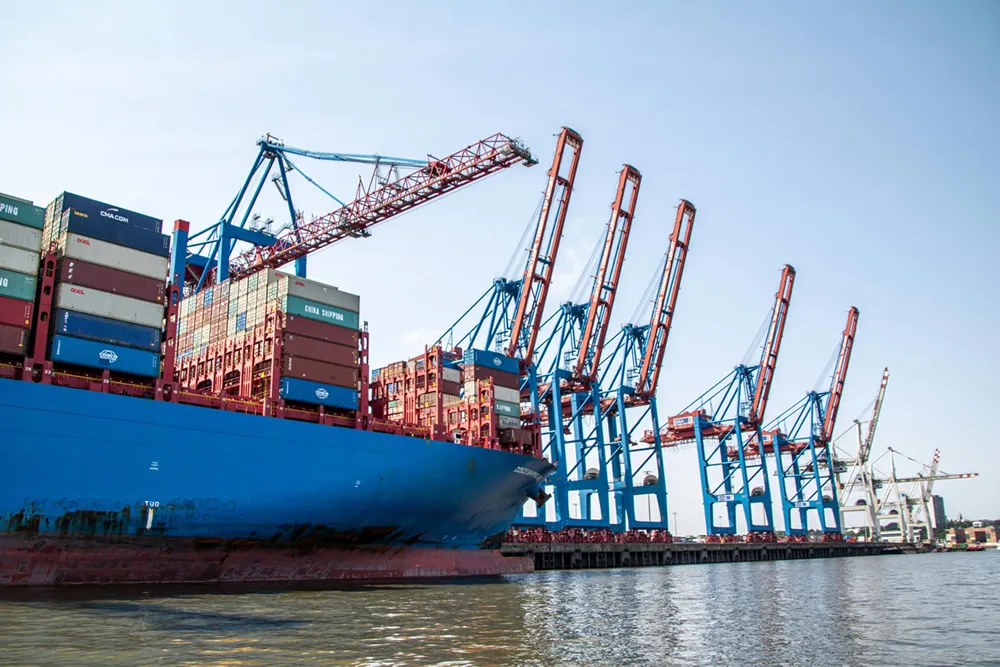
General trade export, simply put, involves purchasing raw materials domestically, processing them, and then directly exporting them to foreign markets. Unlike other trade methods, it is not restricted by trade agreements, specific regulatory zones, etc., giving enterprises greater autonomy in their operations. For example, a clothing company that procures fabrics domestically, designs and produces fashionable apparel, and then sells it to countries in Europe and America is a typical case of general trade export. This mode of trade allows enterprises to fully leverage their own strengths and directly participate in international market competition.
Advantages of General Trade Export
Firstly, the profit margin is relatively large. By independently sourcing raw materials and controlling the production process, enterprises can effectively reduce costs, thus selling products at more competitive prices in the international market and achieving higher profits. Taking Zhongmaoda as an example, in its electronic product manufacturing, by optimizing its supply chain and selecting high-quality and reasonably priced domestic components, it produces high-quality products for export, achieving a high profit margin.
Secondly, it aids in brand building. General trade export enables enterprises to directly connect with foreign customers, gain a deep understanding of market demands and feedback, and consequently make targeted improvements to products and services, gradually enhancing brand recognition and reputation in the international market. For instance, some Chinese home appliance brands, through general trade export, have earned consumer recognition overseas and established a national brand image by virtue of their solid quality and excellent after-sales service.
Furthermore, it enhances enterprise competitiveness. By participating in general trade export, enterprises must constantly adapt to the high standards and fierce competition of the international market, which drives continuous improvement in technological innovation, production management, quality control, and other areas, thereby strengthening their overall competitiveness.
Challenges Faced by General Trade Export
However, general trade export is not always smooth sailing. Frequent changes in international trade policies pose a significant challenge. Tariff adjustments and trade barrier implementations by various countries can affect export costs and market access for products. For example, if a country suddenly increases import tariffs, it will reduce the price competitiveness of an enterprise's products in that local market.
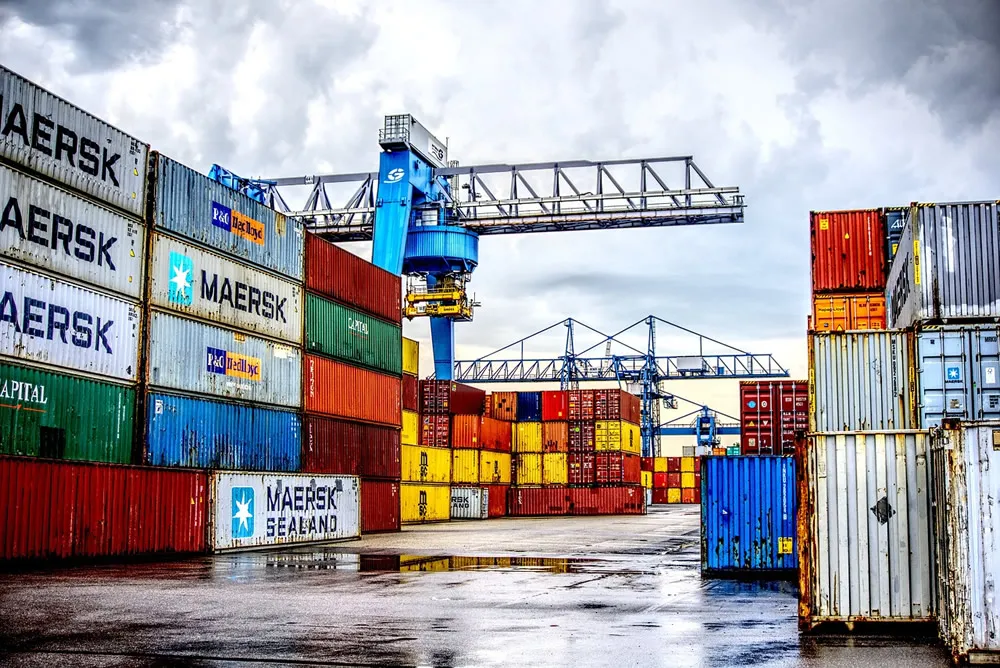
Exchange rate fluctuations also cannot be ignored. The instability of exchange rates directly impacts enterprise profits. If the domestic currency appreciates, export products become relatively more expensive in the international market, potentially leading to a decline in sales; conversely, while currency depreciation is beneficial for exports, the cost of importing raw materials may increase.
In addition, international market competition is fierce. Numerous enterprises worldwide are vying for international market share, and standing out among numerous competitors places high demands on product quality, brand marketing, and after-sales service.
Coping Strategies
In the face of these challenges, enterprises should closely monitor international trade policy dynamics and prepare contingency plans in advance. By establishing a comprehensive market research mechanism, they can understand policy and regulatory changes in target markets and adjust product strategies and pricing in a timely manner.
In terms of exchange rate risk management, enterprises can utilize financial instruments such as forward foreign exchange contracts and foreign exchange options to lock in exchange rates and mitigate risks associated with currency fluctuations.
Improving product competitiveness is key. Enterprises should increase R&D investment, continuously innovate products, enhance product quality and added value, strengthen brand building and marketing promotion, and provide high-quality after-sales service to win the favor of international market customers.
General trade export opens the door to a vast international market for enterprises, but it also comes with numerous challenges. Only by fully recognizing and actively addressing these challenges can enterprises move forward steadily on the international stage and achieve sustainable development. It is hoped that more enterprises can find their direction and set sail in the wave of general trade export.

Recent Comments (0) 0
Leave a Reply