Late at night, Victoria Harbour, the honking of cargo ships and the clinking of wine glasses blend mystically. Mr. Tao swirls the Cabernet Sauvignon from Bordeaux in his glass, suddenly realizing: this mellow aroma, traveling over 8,000 kilometers to reach the dining table, hides a Hong Kong wine agency world worth tens of billions. Today, we will unveil the commercial mystery behind this fine wine.
Why Has Hong Kong Become a "Golden Springboard" for Wine Imports?
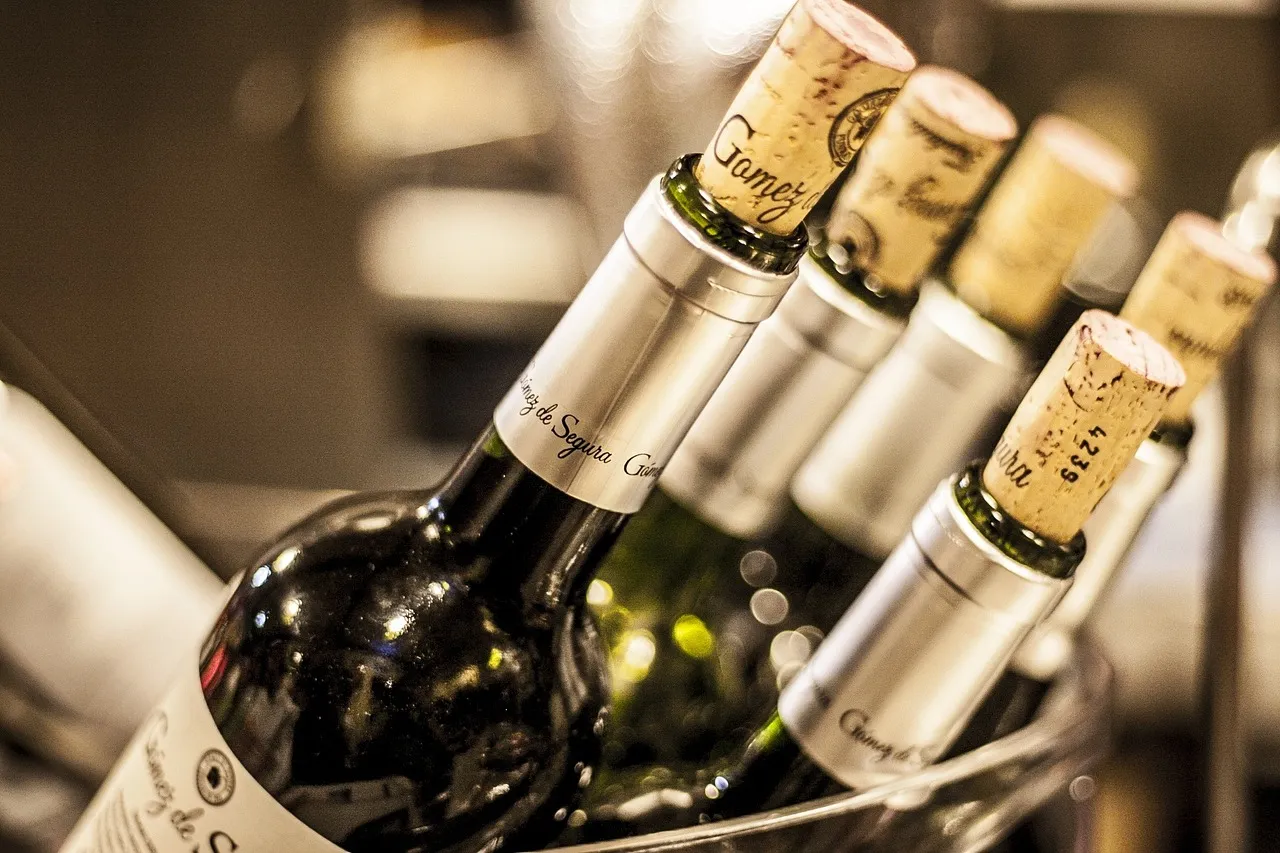
Hong Kong has remained the world's largest wine auction center for 13 consecutive years, handling 60% of the country's imported wine annually. Its core competitiveness lies in:
- Zero Tariff Policy: Wine tax was abolished in 2008, directly reducing costs by 20-35%.
- Logistics Efficiency: Customs clearance completed in 3 days, with refrigerated warehousing loss rates below 0.3%.
- Traceability System: Blockchain technology enables full tracking from vineyard to table.
Mr. Tao trading company, leveraging Hong Kong's sub-warehouse, compressed the delivery cycle from French wineries from 45 days to 12 days.
The Three Life-or-Death Hurdles for Import Agencies
Behind the seemingly glamorous business lie fatal traps that beginners often fall into:
- Document Maze: Certificates of origin, health certificates, and Chinese back labels require simultaneous filing with 12 departments.
- Taste Gamble: Barolo, popular in the Hong Kong market in 2023, may face negative reviews in mainland China for "too strong tannins."
- Financial Reef: A batch of goods worth 2 million RMB was directly evaporated due to temperature control errors during transportation.
Professional agents use a combination strategy of small-batch trial sales + futures hedging to mitigate risks.
New Strategies for Breaking Through in the Digital Age
While traditional agencies are still competing for winery resources, innovators have begun to restructure the industrial chain:

- AR scanning to present 360° real scenes of vineyards.
- AI algorithms to predict regional taste preferences.
- Blockchain smart contracts for automatic revenue sharing.
A new platform has increased the transaction efficiency of collectible wines by 17 times through its NFT wine certificate model.
Which Side Should Your Wine Glass Tilt Towards?
Overlooking the cargo ships from the floor-to-ceiling windows of Hong Kong IFC, each bottle of wine tells a different business philosophy. Should you choose the stable route of traditional agency, or embrace the wave of digitalization? Perhaps the answer lies in the "tears of wine" that streak down the glass during your next toast.
Welcome to share in the comment section: For which type of unique story behind imported wine are you willing to pay? Is it the vicissitudes of centuries-old vines in Burgundy, or the rebellion of a new winery in Napa Valley?

Recent Comments (0) 0
Leave a Reply