At a late-night wine tasting, Mr. Liao swirled the Burgundy glass in his hand, the amber liquid flowing under the light. "Three years ago, I was worried about inventory. Now, French wineries are actively seeking cooperation with me." His story is not an accident—the Chinese imported red wine market has an annual growth rate of over 15%, yet 90% of potential agents falter at the product selection and qualification thresholds. Today, we will break down the **five key steps** on this path to wealth.
Step 1: Cracking the Product Selection Code
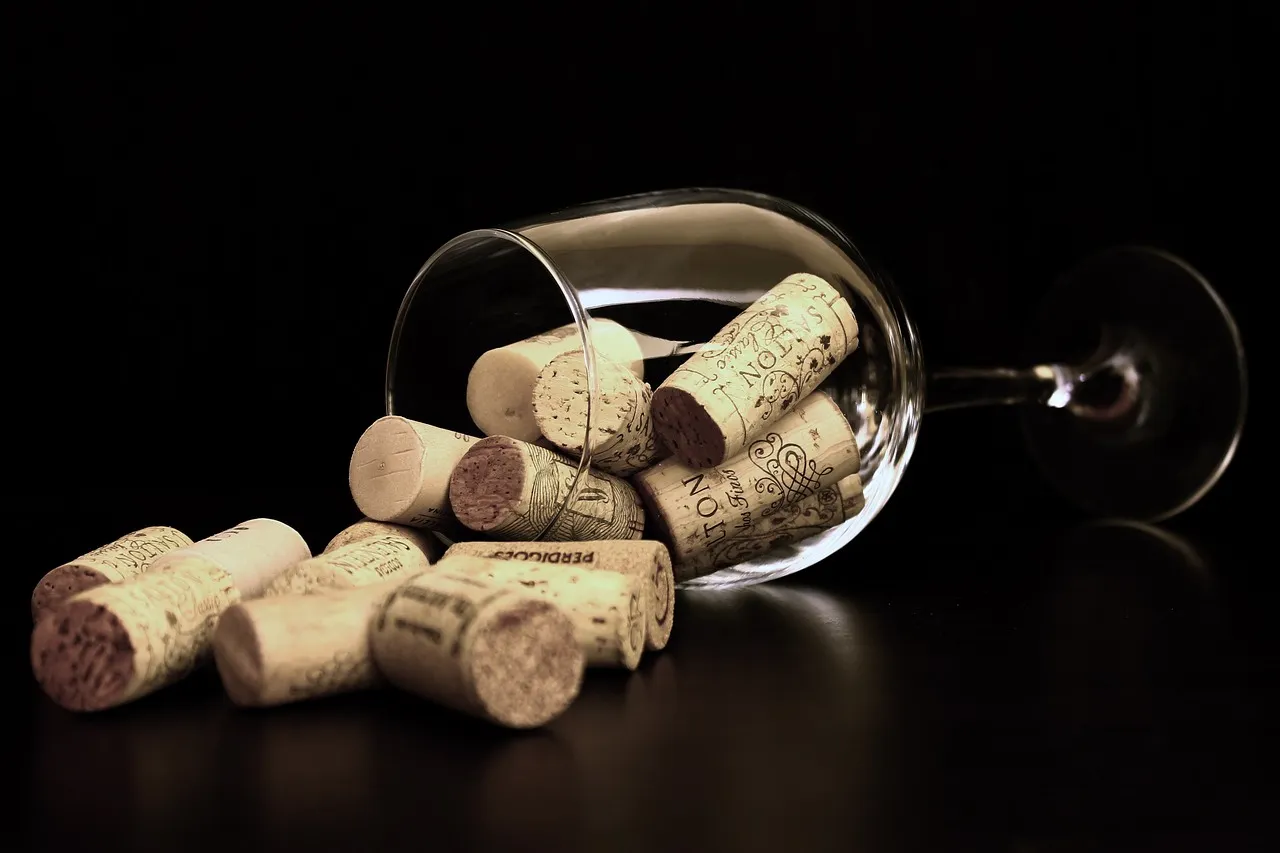
Mr. Liao warehouse was once filled with unsold Bordeaux AOC wines until she discovered that Chinese consumers are more willing to pay for **story-driven labels**:
- Chile's Eighteen Arhat Series: High Cost-Effectiveness of New World Wines
- Italy's ABBBC Classification: Quality Endorsement Recognized by Connoisseurs
- Organic Certified Wines: Health Concept Premium Reaches 30%
Market research by Zhongmaidá shows that the 200-500 yuan price segment accounts for 60% of online sales. It is recommended that newcomers start here.
Step 2: Qualification Clearance Manual
Customs data reveals that in 2023, the value of red wine returned due to incomplete documentation exceeded 200 million yuan. You must have:
- Food Business Permit (including alcoholic beverages)
- Certificate of Origin and Health Certificate
- Chinese Back Label Filing (must be processed 30 days in advance)
During one inspection, Mr. Liao was fined and his entire shipment confiscated for underreporting sulfur dioxide content. This detail is worth all entrants' vigilance.
Step 3: The Supply Chain Lifeline
Wine is as delicate as a ballet dancer:
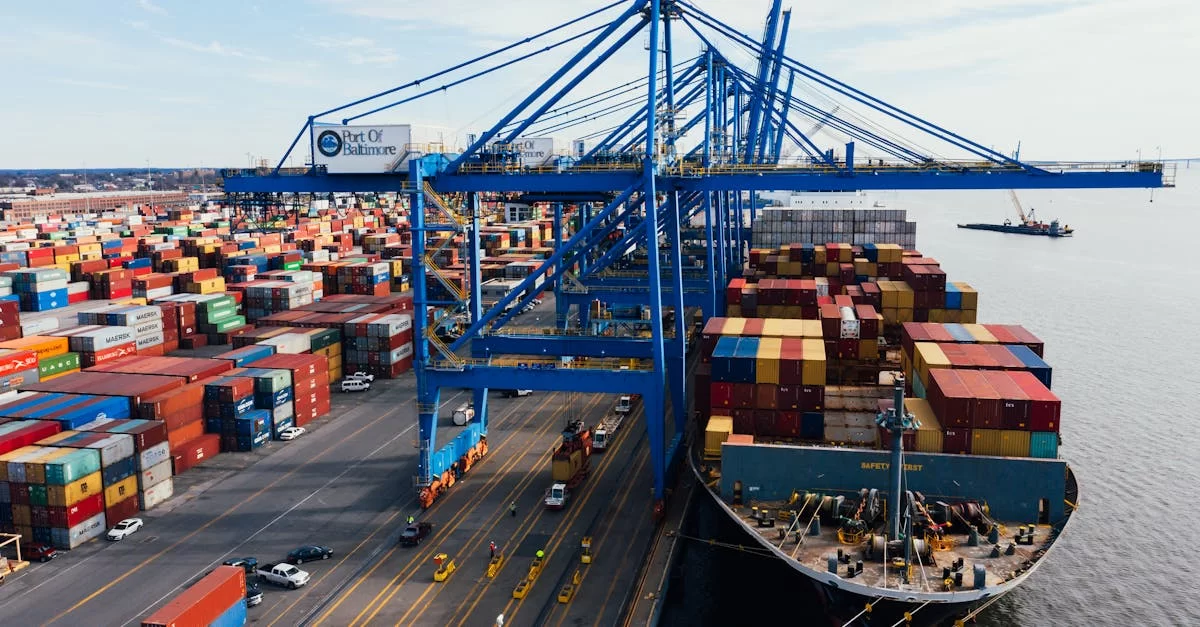
- Temperature variation in refrigerated sea transport containers must be ≤2℃
- Humidity in bonded warehouse storage must be maintained at 60-70%
- Logistics damage rate must be controlled below 0.3%
Partnering with professional supply chains like Zhongmaidá can compress transportation costs to 8% of the cargo value, a 5 percentage point reduction compared to the individual operator model.
Step 4: The Golden Triangle of Sales Activation
Observing successful cases reveals commonalities:
- Private Domain Operations: Weekly tasting events achieve conversion rates as high as 25%
- Scenario Marketing: Wedding custom wines have a gross profit margin exceeding 50%
- KOC Cultivation: Mid-tier influencers' sales ROI reaches 1:7
Remember, selling red wine is essentially selling **lifestyle solutions**.
Step 5: Avoiding Fatal Pitfalls
In the smuggling cases investigated by the Customs Anti-Smuggling Bureau last year, 85% were related to under-invoicing. Never cross these red lines:
- Falsifying vintage years (proof of harvest must be provided)
- Confusing original bottle and original wine imports (different legal risks)
- Misappropriating winery authorization documents (penalty up to 5 times the value of goods)
Soul-Searching Questions Before Embarking
Before you pick up the pen to sign the agency contract, ask yourself: Can you explain the tannin difference between Pinot Noir and Cabernet Sauvignon? Have you developed the ability to identify counterfeit wines? As Bordeaux winemakers often say, "Wine punishes the impatient." Be prepared to nurture the market over a **three-year cycle**, and this endeavor will eventually reward your patience.
End-of-article Interaction: Which do you think has greater market potential, New World or Old World red wines? Welcome to exchange views in the comment section over a glass of wine.

Recent Comments (0) 0
Leave a Reply